Optimal Fertilizer for Growing Blue potato bush: What You Need to Know
1
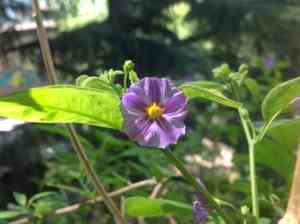
The Blue potato bush generally flowers from late spring through autumn, so fertilizing in spring is vital for robust initial growth!
2
A perfect balanced fertilizer for the Blue potato bush has equivalent amounts of nitrogen (N), phosphorus (P), and potassium (K), usually marked as 10-10-10.
3
Organic feeding enhances soil quality and microbial life over time, providing lasting advantages for your Blue potato bush.
Understanding the Nutritional Requirements of Blue Potato Bush
Key Nutrients for Blue Potato Bush
The Blue potato bush needs a balanced nutritional intake to flourish. Its primary nutrient demands include nitrogen (N), phosphorus (P), and potassium (K). Nitrogen is vital for vigorous foliage development, phosphorus aids strong root growth and flowering, and potassium boosts overall plant vitality and disease resistance. Secondary elements like magnesium (Mg) and calcium (Ca) also play crucial roles in maintaining the Blue potato bush's vibrant appearance.
Indicators of Nutrient Deficiencies
It's important to identify symptoms of nutrient shortages in your Blue potato bush. Yellowing leaves can signal a nitrogen deficit, while poor flower production might suggest a lack of phosphorus. Weak stems and browning leaf edges typically point to a potassium deficiency. Ensuring a balanced nutrient supply helps prevent these issues and promotes healthy plant development.
Selecting the Appropriate Fertilizer for Blue Potato Bush
Fertilizer Types Suitable for Flowering Shrubs
When choosing fertilizers for your Blue potato bush, opt for those specifically formulated for blooming shrubs. A balanced 10-10-10 (N-P-K) fertilizer is often ideal, providing equal amounts of essential nutrients. For a more focused approach, seek out fertilizers with a slightly higher phosphorus content, such as a 10-15-10, to enhance flowering and root growth.
Organic vs. Synthetic Fertilizers
Both organic and synthetic fertilizers offer advantages. Organic fertilizers, like compost and bone meal, are excellent for improving soil structure and increasing microbial activity. They typically release nutrients slowly, ensuring a steady supply over time. Synthetic fertilizers, such as granules and liquid feeds, provide immediate nutrient availability, which can be beneficial for a quick boost, especially in spring. However, they may not enhance soil health in the same way as organic options.
Optimal Fertilization Practices for Blue Potato Bush
When and How Often to Fertilize
Spring is the best time to fertilize your Blue potato bush, as this is when the plant begins its active growth phase. Apply a balanced fertilizer in early spring and then every 6-8 weeks throughout the growing season. Maintaining this schedule supports continuous growth and blooming.
Application Methods and Advice
There are various ways to apply fertilizer. For granular fertilizers, sprinkle evenly around the plant's base, being careful not to touch the stems, then water thoroughly to help nutrients penetrate the soil. For liquid fertilizers, dilute according to instructions and apply directly to the soil around the plant's base. Always follow the manufacturer's guidelines to prevent over-fertilization, which can harm your Blue potato bush.
Monitoring Blue Potato Bush Post-Fertilization
Observing Growth Responses
After fertilizing, observe your Blue potato bush for signs of positive growth, such as new foliage, stronger stems, and more abundant blooms. Healthy growth responses typically appear within a few weeks and indicate that your fertilization efforts are successful.
Adjusting Fertilization Based on Plant Health
If you notice signs of nutrient deficiency or over-fertilizationâsuch as leaf burn or stunted growthâmodify your fertilization strategy accordingly. For instance, reduce the application if you see yellowing leaves due to over-fertilization. Similarly, if growth is slower than expected, consider a slightly higher dose or more frequent application. Always monitor plant health regularly and respond to its needs to ensure optimal growth and blooming.



