The Blue potato bush Plant Advantage: Maximizing Home and Office Appeal and Wellness
1
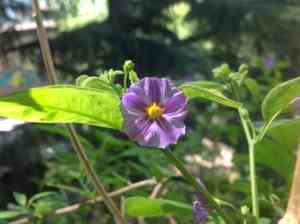
The blue potato bush is excellent for introducing vivid hues to your garden all year long.
2
This flora can draw in helpful pollinators such as bees and butterflies.
3
The blue potato bush requires minimal upkeep, making it suitable for both new and seasoned gardeners.
Why Select Blue Potato Bush for Your Garden?
Enhances Visual Appeal
A primary reason gardeners opt for Blue potato bush is its striking beauty. With its bright and cheerful blossoms, this plant can introduce a burst of color to any garden. Its extended flowering period offers visual interest for much of the year. Whether planted alone or within a mixed border, Blue potato bush consistently captures attention.
Draws Beneficial Insects
The vibrant blooms of Blue potato bush are not only pleasing to the human eye; they also attract helpful insects such as bees and butterflies. These insects are crucial for pollination, making them valuable allies in any garden. By cultivating Blue potato bush, you're not just beautifying your space but also contributing to ecological balance.
Simple to Grow and Low Maintenance
Minimal Care Requirements
Blue potato bush is recognized for its robust nature and ease of care. It thrives in various soil types and tolerates both full sun and partial shade. This makes it an excellent choice for both new gardeners and those who prefer plants needing little upkeep. Watering needs are minimal once established, requiring only occasional irrigation to maintain health.
Resistance to Pests and Diseases
Another significant benefit of Blue potato bush is its resilience against common garden pests and diseases. This plant possesses natural defenses that make it less prone to infestations and fungal issues, reducing the need for chemical interventions. Its sturdy nature ensures it remains healthy and vibrant with minimal effort.
How Does Blue Potato Bush Improve Your Well-Being?
A Natural Stress Reducer
Numerous studies indicate that spending time in nature can significantly lower stress levels. The colorful and inviting appearance of Blue potato bush can help create a peaceful and relaxing garden environment. Taking a few moments daily to appreciate its beauty can act as a natural stress reliever, promoting mental wellness.
Connecting with Nature
Gardening itself offers therapeutic advantages, and Blue potato bush makes it even more enjoyable. Engaging in planting, watering, and tending to Blue potato bush can provide a sense of accomplishment and foster a deeper connection with the natural world. This connection can be especially beneficial for individuals in urban settings with limited access to nature.
Utilizing Blue Potato Bush in Landscape Design
Flexible Planting Options
Blue potato bush is highly adaptable and can be integrated into various landscape design themes. Whether you're working with a traditional garden, a modern minimalist space, or a wildflower meadow, Blue potato bush can seamlessly fit into different styles. Its versatility makes it a favorite among landscape designers seeking to add both form and function to their projects.
Complementary Plant Pairings
To maximize the impact of Blue potato bush in your garden, consider pairing it with complementary plants. Its vibrant flowers can be further emphasized when planted alongside foliage plants with contrasting textures and colors. Popular pairings include silver-leaved plants or ornamental grasses that can enhance the overall aesthetic appeal.
Fostering a Sustainable Garden
Water Conservation
In today's world, sustainable gardening practices are more crucial than ever. Blue potato bush can play a key role in creating a water-efficient garden. Due to its low water requirements once established, this plant helps conserve water, making it an eco-friendly choice for environmentally conscious gardeners.
Supporting Local Wildlife
By attracting beneficial insects and providing them with nectar, Blue potato bush supports the local ecosystem. Beneficial insects, in turn, help control unwanted pests, reducing the need for chemical pesticides. This creates a healthier and more balanced garden environment, benefiting both the gardener and local wildlife.



