Enhancing Your Garden Design with the Green-tinge spiderlily Plant: A Landscaping Guide
1
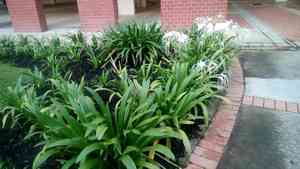
The green-tinge spiderlily offers a captivating appearance due to its distinct flower form and leaves.
2
This plant flourishes in diverse garden designs, such as structured, relaxed, and contemporary settings.
3
Consistent care is essential for maintaining the health and vividness of the green-tinge spiderlily year-round.
Introducing the Green-tinge Spiderlily in Garden Design
What makes the Green-tinge spiderlily distinctive in garden aesthetics?
The Green-tinge spiderlily stands out in garden design due to its unique look and adaptability. Its striking blooms, with delicate petals and a characteristic green hue, bring an exotic yet refined touch to any garden. The plant's sculptural form can act as a captivating focal point or complement other landscape elements. Furthermore, its tolerance for various soil types and light conditions makes the Green-tinge spiderlily a practical choice for diverse garden settings. Whether aiming for a tranquil sanctuary or a lively, vibrant area, this plant can significantly enhance visual appeal.
Brief overview of the Green-tinge spiderlily's visual characteristics
The Green-tinge spiderlily showcases a blend of features that make it visually appealing. Its blossoms, resembling delicate spider-like forms, possess a distinct green tint that adds an unexpected splash of color amidst typical garden shades. Paired with its elongated, arching leaves that form a lush backdrop, the Green-tinge spiderlily contributes both texture and depth to the garden. The overall impression is one of subtle elegance, integrating seamlessly into both classic and contemporary landscape designs.
Incorporating Green-tinge Spiderlily into Various Landscape Styles
Integrating Green-tinge spiderlily into structured gardens
The Green-tinge spiderlily performs beautifully in formal gardens where structure and balance are paramount. Arrange Green-tinge spiderlily in geometric patterns or symmetrical beds to emphasize its architectural qualities. Its graceful shape and consistent flowering can provide an ideal focal point or be used to border pathways, creating a visually pleasing experience. The plant's green-tinted flowers complement the formal garden's typically monochromatic palette, adding a soft yet striking accent.
How Green-tinge spiderlily enhances informal/cottage-style gardens
Cottage gardens thrive on a more relaxed, natural aesthetic, and the Green-tinge spiderlily fits perfectly with this approach. It can be intermingled among other flowering plants to contribute to the garden's charming, whimsical atmosphere. The plant's unique flowers offer a pleasant contrast to traditional cottage garden blooms, while its foliage provides a lush, green background. In this setting, the Green-tinge spiderlily helps create an inviting and serene environment that feels both timeless and effortless.
Using Green-tinge spiderlily in modern or minimalist landscapes
In modern or minimalist gardens where clean lines and a restricted color palette prevail, the Green-tinge spiderlily offers an element of interest without overpowering the space. Its sculptural flowers and sleek foliage can be used sparingly to enhance the garden's minimalist aesthetic. Consider placing Green-tinge spiderlily in strategic locations where its unique form can serve as a living sculpture. The plant's understated elegance and architectural quality make it a perfect fit for contemporary garden designs.
Seasonal Considerations for the Green-tinge Spiderlily
What to expect from Green-tinge spiderlily across different seasons
Understanding the Green-tinge spiderlily's seasonal behavior is vital for maintaining a vibrant landscape throughout the year. Typically, it blooms in warmer months, offering a stunning floral display. During cooler seasons, the focus shifts to its lush foliage, which remains attractive even without flowers. Gardeners should anticipate some dormancy in colder climates but can rely on the Green-tinge spiderlily's perennial nature to rebound when temperatures rise.
Adjusting your garden's design to accommodate seasonal changes
To maximize the Green-tinge spiderlily's seasonal variations, consider planning your garden layout to shine at different times of the year. In spring and summer, position the Green-tinge spiderlily where its blooms will be most appreciated, such as near seating areas or along walkways. In autumn and winter, ensure its foliage remains a supportive background for other seasonal plants. Rotating companion plants seasonally around the Green-tinge spiderlily can keep your garden dynamic and engaging throughout the year.
Companion Plants for the Green-tinge Spiderlily
Selecting plants that thrive alongside Green-tinge spiderlily
Choosing appropriate companion plants can enhance the beauty and health of the Green-tinge spiderlily. Look for plants that share similar soil and light requirements. For instance, pairing the Green-tinge spiderlily with perennials that flourish in well-drained soil and partial shade can create a harmonious garden. Additionally, consider using ground covers that can aid in moisture retention while providing a contrasting backdrop for the Green-tinge spiderlily's striking flowers.
Color and texture combinations to consider
When planning combinations, think about how different colors and textures will interact. The green-tinged flowers of the Green-tinge spiderlily pair wonderfully with both cool and warm-toned flowers, creating a balanced visual appeal. For texture, combining the Green-tinge spiderlily's sleek foliage with plants that have broader or more rugged leaves can add depth and interest to your landscape. The key is to create a cohesive look that highlights the Green-tinge spiderlily's unique attributes while contributing to the overall garden aesthetic.
Maintenance Advice for Green-tinge Spiderlily in Your Landscape
Basic care requirements for Green-tinge spiderlily
Maintaining the Green-tinge spiderlily in your garden involves some straightforward yet essential practices. Ensure the plant receives adequate water, especially during dry periods, and apply mulch to help retain soil moisture. Regularly check for pests and diseases, and promptly remove any affected leaves or flowers. Fertilize the Green-tinge spiderlily periodically to encourage healthy growth, and trim dead or damaged foliage to maintain its appearance.
Managing common issues associated with cultivating Green-tinge spiderlily
Gardening always presents challenges, and growing the Green-tinge spiderlily is no exception. A common issue is ensuring the plant receives the correct amount of sunlight, as too much or too little can impact its growth. Pests, such as aphids and spider mites, can also be a concern. To manage these challenges, use appropriate garden treatments and ensure regular inspections. With proper care, the Green-tinge spiderlily can thrive and continue to enhance your landscape.



