Enhancing Your Garden Design with the Geraldton waxflower Plant: A Landscaping Guide
1
Geraldton waxflower provides vivid hues and distinct textures, enhancing any garden's visual charm.
2
The seasonal transformations of Geraldton waxflower offer a changing look, keeping your landscape visually engaging throughout the year.
3
Appropriate care and upkeep for Geraldton waxflower guarantee enduring beauty and vitality in your garden.
Appreciating the Visual Charm of Geraldton Waxflower
Visual traits: Form, hue, and dimensions of Geraldton waxflower
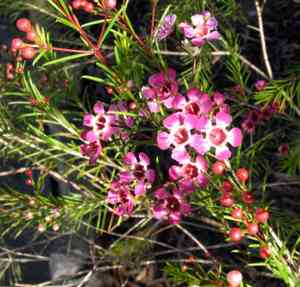
In landscape planning, the visual attributes of Geraldton waxflower are crucial for crafting an attractive garden. This plant is recognized for its delicate, waxy blossoms, available in shades from white and pink to deep magenta. The flowers are small yet plentiful, forming generous clusters that inject vibrant color into any garden. Furthermore, Geraldton waxflower typically reaches a medium size, making it suitable for both small garden beds and larger landscape areas. Its needle-like leaves provide a distinct texture, beautifully contrasting with broader-leafed plants, creating a visually engaging experience.
Seasonal shifts and their influence on garden aesthetics
A key characteristic of Geraldton waxflower is its seasonal adaptability. During its blooming period, Geraldton waxflower erupts with a profusion of flowers, creating a colorful spectacle that can brighten any landscape. As seasons change, the plant's foliage offers a lush green backdrop, preserving the garden's visual appeal even when flowers are absent. These seasonal transformations ensure your garden remains dynamic and visually pleasing throughout the year. Incorporating Geraldton waxflower into your landscape design means enjoying an ever-evolving garden aesthetic, particularly rewarding for enthusiastic gardeners and those who value changing scenery.
Integrating Geraldton Waxflower into Various Landscape Designs
Enhancing formal gardens with the structured beauty of Geraldton waxflower
Geraldton waxflower can be seamlessly incorporated into formal gardens, where symmetry and order are paramount. Its upright growth habit and dense foliage make it perfect for establishing defined edges and borders. Planting Geraldton waxflower along pathways or around garden beds can help accentuate the orderly and neat appearance characteristic of formal landscapes. Moreover, its vibrant flowers add a touch of color without disrupting the garden's structured design, offering a perfect blend of order and beauty.
Improving cottage gardens: Geraldton waxflower's role in achieving a charming, rustic look
For those who prefer a more rustic and relaxed garden style, Geraldton waxflower is an excellent addition to a cottage garden. Its charming, small flowers and informal growth habit blend perfectly with the free-flowing and whimsical aesthetic of cottage gardens. Pairing Geraldton waxflower with other cottage garden staples like roses, lilacs, and lavender can create a picturesque and inviting landscape. The delicate blooms and quaint appearance of Geraldton waxflower add a touch of nostalgia and timeless beauty, making it a favored choice for this garden style.
Utilizing Geraldton waxflower in contemporary landscaping: A minimalist approach
In modern landscaping, simplicity often reigns, and Geraldton waxflower can be an excellent choice for achieving a minimalist aesthetic. Its clean lines and uniform foliage align well with modern design principles, which prioritize simplicity and elegance. Geraldton waxflower can be used as a standalone feature plant or in a group to create a focal point in an otherwise minimalist garden. Its subtle yet striking flowers complement the sleek and straightforward lines of modern architecture and hardscaping, providing a perfect balance between nature and contemporary design.
Cultivation Advice for Geraldton Waxflower in Landscaping
Optimal soil conditions for Geraldton waxflower
Geraldton waxflower thrives in well-drained soil, preferring sandy or loamy types. Ensuring good drainage is crucial, as waterlogged soil can lead to root rot and other health issues. Incorporating organic matter like compost can enhance soil structure and fertility, benefiting the plant's growth and flowering. When planting Geraldton waxflower, select a location that mimics its natural habitat for the best results.
Sunlight and irrigation requirements
Like many flowering plants, Geraldton waxflower flourishes in full sun, needing at least 6 hours of direct sunlight daily. This exposure ensures abundant blooms and healthy growth. Regarding watering, Geraldton waxflower prefers moderate moisture. Water the plant regularly during the active growing season, but allow the soil to dry out between watering sessions. Overwatering can be harmful, so it's vital to find a balance that keeps the soil slightly moist without becoming soggy.
Combining Geraldton Waxflower with Other Plants
Compatible plants that thrive alongside Geraldton waxflower
Integrating Geraldton waxflower with other plants in your garden can enhance its visual appeal and create a more cohesive landscape design. Plants that share similar soil and sunlight requirements, such as lavender, rosemary, and eucalyptus, can flourish alongside Geraldton waxflower. These combinations not only look aesthetically pleasing but also ensure that all plants can grow and thrive without competing for resources.
Designing color schemes and textures with Geraldton waxflower
Using Geraldton waxflower in your garden allows for creative color and texture combinations. Its vibrant flowers can serve as focal points or accents within a larger color scheme. Pair Geraldton waxflower with plants that have contrasting leaves or blooms to create depth and interest. For example, combining the fine, needle-like foliage of Geraldton waxflower with broader-leafed plants adds a rich texture to the garden, while choosing complementary colors can tie the entire landscape together beautifully.
Maintenance and Health Management of Geraldton Waxflower in Landscapes
Regular trimming and care routines
To keep Geraldton waxflower looking its best, regular pruning is essential. Trimming back spent flowers and any leggy growth encourages a more bushy and vigorous habit. Pruning also stimulates new growth, which can lead to more abundant flowering in the following season. Aim to prune Geraldton waxflower after its main flowering period to maintain its shape and health.
Disease prevention: Best practices for a healthy Geraldton waxflower
Maintaining the health of Geraldton waxflower involves proactive disease prevention. Ensure proper spacing between plants to allow for adequate air circulation, reducing the risk of fungal infections. Monitoring for common pests and treating them promptly with organic or chemical solutions can prevent infestations. Additionally, avoid overhead watering to minimize foliage wetness, which can lead to diseases. Regularly inspect your plants for signs of disease, such as discolored leaves or unusual growths, and take swift action to address any issues.



