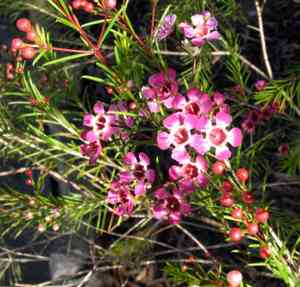
Geraldton waxflower (Chamelaucium uncinatum)
Also known as: Geraldton Wax, Waxflower
Geraldton waxflower, originating from Western Australia, is a popular choice for floral arrangements due to its vibrant and plentiful blooms, especially in winter and spring. Its long-lasting nature makes it ideal for cut flower usage. Additionally, its blossoms attract pollinators like bees and butterflies. The plant's name, Chamelaucium uncinatum, highlights the distinctive hooked tips of its leaves.
In This Article
Attributes of Geraldton waxflower
Lifespan
Perennial
Plant Type
Shrub
Plant Height
2 m
Spread
2 m
Leaf Color
Green
Flower Size
1 to 2 centimeters
Flower Color
White Pink Purple Red
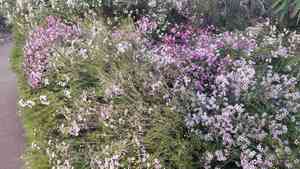
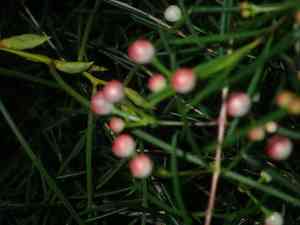
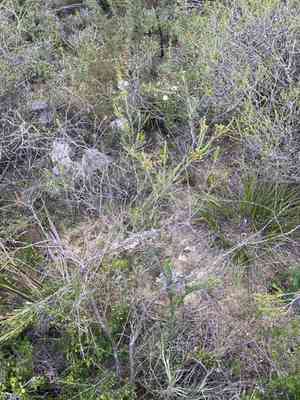
Images of Geraldton waxflower
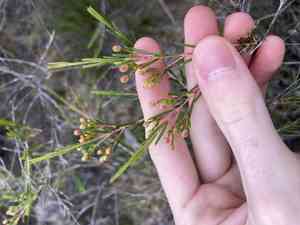
Quickly Identify Geraldton waxflower
1
Look for an evergreen shrub with narrow, needle-like leaves that emit a pleasant aroma when crushed. The flowers are typically found in clusters and have five petals, which vary in color from white to deep pink or purple.
Scientific Classification of Geraldton waxflower
Phylum
Vascular plants
Class
Dicotyledons
Order
Myrtales
Family
Myrtle
Genus
Waxflower
Species
Geraldton waxflower
Planting and Growing of Geraldton waxflower
Care Difficulty
Easy
Watering Schedule
Every 3 days
Sunlight Requirements
Full sun
Sunshine Duration
6-12 hours
Ideal Temperature
60-70℉
Soil Type
Potting Mix, Peat Mix
Soil pH
6.5-7.5
Fertilizer Type
Balanced
Pruning Season
Spring, Summer
Pruning Area
Branches, Leaves
Pruning Frequency
2 times a year
Repotting Season
Spring
Pot Type
Plastic, Ceramic
 How to Water Geraldton waxflower?
For Chamelaucium uncinatum, it is crucial to maintain a balance in watering. This plant thrives best when watered deeply, allowing the water to soak into its roots and the surrounding soil. Ensure that the soil is consistently moist but not waterlogged. Deep watering helps the plant develop a robust root system, leading to better overall health.
What are the symptoms of an underwatered Geraldton waxflower?
›
What should I do if my Geraldton waxflower is not getting enough water?
›
What are the symptoms of an overwatered Geraldton waxflower?
›
How to save an overwatered Geraldton waxflower?
›
 What Are the Sunlight Requirements for Geraldton waxflower?
Chamelaucium uncinatum ideally thrives in full to partial sun, with consistent exposure to bright light. This ensures vibrant growth and abundant flowering, supporting its overall health and aesthetic appeal.
More About Sunlight Requirements Techniques→
How much sun does Chamelaucium uncinatum need?
›
What should you do to achieve the ideal lighting?
›
What are the benefits of ideal lighting for Chamelaucium uncinatum?
›
 What Is the Ideal Temperature Range for Geraldton waxflower?
The ideal temperature range for Chamelaucium uncinatum is between 60°F and 70°F. This range ensures optimal growth conditions, allowing the plant to thrive. These temperatures mimic its natural habitat in Australia where mild and moderate climates allow for healthy photosynthesis and nutrient uptake.
 What Soil is Best for Geraldton waxflower?
Chamelaucium uncinatum thrives best in well-draining soils. Good drainage helps prevent root rot and ensures that excess water doesn’t suffocate the roots, allowing the plant to absorb nutrients efficiently. This plant benefits from a moderate nutrient supply. Loamy soil enriched with organic matter provides essential nutrients that promote vigorous growth and flowering, enhancing the plant's beauty and health. Proper soil aeration is crucial for Chamelaucium uncinatum. Well-aerated soil allows oxygen to reach the plant's root system, fostering healthy root development and enabling the plant to withstand stress conditions like drought.
 How to Fertilize Geraldton waxflower?
When using liquid fertilizers, apply at a quarter strength to avoid over-fertilization, which can harm the plant's root system. Aim for around 1 teaspoon per gallon of water.
 How to Prune Geraldton waxflower?
Begin by removing any dead, damaged, or diseased branches to keep the plant healthy. Then cut back any overly long or uneven branches to shape the plant into a pleasing form. Use sharp, clean pruners to make clean cuts just above a leaf node to encourage new growth. After flowering, prune lightly to encourage new shoots and more flowers in the next blooming season. Focus on thinning out crowded areas to allow light and air to reach the interior parts of the plant, fostering a robust blooming cycle.
More About Pruning Techniques→
 How to Propagate Geraldton waxflower plant?
1
Choose a robust parent plant with no signs of disease or pest infestation. The health of the parent plant greatly influences the success rate of propagation.
2
Use a well-draining potting mix to prevent root rot. A mix of peat moss, perlite, and sand is often recommended for Chamelaucium uncinatum.
3
Position the cuttings or seeds in a location with bright, indirect light. Direct sunlight can be too harsh and may dry out the seedlings or cuttings prematurely.
 How to Repot Geraldton waxflower plant?
1
The ideal time to repot Chamelaucium uncinatum is when you notice roots emerging from the drainage holes, indicating that the plant is becoming root-bound. Additionally, if the growth seems stunted or the plant begins to dry out too quickly after watering, these are strong signals for repotting.
2
Select a pot that is just a size larger than the current one, with good drainage holes to prevent waterlogging. A pot that's too large can retain excess moisture, which can be detrimental to the plant's health. Material is key; terracotta is excellent for promoting airflow and easy moisture absorption.
3
Opt for well-draining sandy soil as it mimics the plant's natural sandy habitat. Good drainage prevents root rot, while sand maintains the desired arid conditions that help the plant thrive by offering good aeration for root development.
Learn More About Geraldton waxflower Diseases
Anthracnose
Bacterial Leaf Spot
Chemical Injury
Crown Gall
Cyst Nematode
Damping-off
Downy Mildew
Drought Stress
Fusarium Wilt
Gray Mold
Leaf Spot
Mosaic
Nutrient Deficiency
Nutrient Toxicity
Powdery Mildew
Root Rot
Root-knot Nematode
Rusts
Sooty Mold
Spider Mites
Temperature Stress
Thrips Damage
White Mold



