Enhancing Your Garden Design with the Carambola Plant: A Landscaping Guide
1
Starfruit introduces a distinctive aesthetic to any garden because of its star-like produce.
2
Ideal positioning for Starfruit involves spots receiving abundant sunshine and soil that drains effectively.
3
Consistent upkeep and periodic attention are vital for maintaining Starfruit's health and vigor.
Introducing Starfruit in Garden Design
Starfruit's Distinctive Visual Appeal
Starfruit makes an outstanding addition to any garden, primarily due to its unique star-shaped produce. These visually striking fruits not only offer a singular look but can also spark conversations and admiration from guests. This plant provides a mix of decorative beauty and practicality, making it a versatile option for gardeners aiming to infuse an exotic flair into their outdoor spaces.
Overview of Starfruit's Key Characteristics
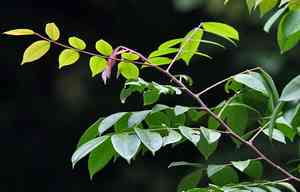
Beyond its aesthetic charm, Starfruit possesses several key characteristics that make it stand out. It features attractive green foliage and delicate pink to lavender blossoms, creating a lush and vibrant display throughout its active growth period. Furthermore, the fruit it yields is edible and renowned for its tart, tangy taste, which can delight the palate as much as it pleases the eye.
Selecting the Ideal Spot for Starfruit
Considering Sunlight Exposure and Shade
When planting Starfruit, choosing a location that receives ample sunlight is vital. This plant flourishes in full sun, meaning it requires at least six to eight hours of direct sunlight daily. While it can endure partial shade, optimal fruit yield and overall development are best achieved in sunny areas. Ensure that taller plants or garden structures do not cast prolonged shadows over it.
Preferred Soil Types for Optimal Growth
Starfruit favors well-draining soil that is slightly acidic to neutral. To ensure robust growth, enrich the planting area with organic matter such as compost, which can help improve soil structure and nutrient content. Avoid planting in heavy clay soils prone to water retention, as this can lead to root rot and other developmental problems. Regularly check the soil pH and drainage capabilities to keep Starfruit thriving.
Incorporating Starfruit into Your Landscape Plan
Complementing Other Plants and Aesthetics
Integrating Starfruit with other plants demands a thoughtful approach to create a balanced and visually appealing garden. Consider pairing it with vibrant flowering plants or shrubs that contrast with its green leaves and complement its pink-lavender blooms. Utilizing companion plants that thrive in similar soil and sunlight conditions can boost overall garden health and visual charm.
Starfruit as a Central Feature in Garden Design
Using Starfruit as a central feature can transform your garden into a captivating landscape. Position it where it naturally draws attention, such as the middle of a flowerbed, near garden paths, or as a standalone specimen against a green backdrop. Its striking fruit and foliage can become a focal point around which other design elements, like garden furniture or water features, are arranged.
Seasonal Considerations for Starfruit
Starfruit's Flowering and Fruiting Cycles
Starfruit follows a specific growth pattern that includes distinct flowering and fruiting periods. Blooming typically occurs in warmer months, with flowers lasting several weeks and adding a burst of color to your landscape. Following the flowering stage, the plant produces its unique fruits. Understanding these cycles can help you plan garden activities, such as pruning and fertilizing, to align with Starfruit's natural rhythm.
Preparing Starfruit for Various Seasons
To ensure Starfruit remains healthy throughout the year, it is crucial to prepare it for seasonal shifts. In winter, shield the plant from frost by covering it with blankets or using frost cloths, especially in regions with harsh winters. During the dry season, increase irrigation frequency while ensuring proper drainage to prevent waterlogging. Consistent mulching can help retain soil moisture and keep roots insulated from extreme temperatures.
Long-Term Upkeep and Care Advice
Practical Tips for Ongoing Maintenance
Long-term care of Starfruit involves regular pruning to maintain its form and encourage vigorous growth. Remove dead or diseased branches, and thin out dense areas to improve air circulation. Fertilize the plant annually with a balanced fertilizer to provide essential nutrients. Additionally, monitor for pests and diseases, and address any issues promptly to prevent extensive damage.
Monitoring and Enhancing Plant Vitality
Keep a close watch on Starfruit's overall health by regularly checking for signs of stress or nutrient deficiencies. Yellowing leaves, poor fruit production, or stunted growth can indicate underlying problems that need attention. Soil testing can help determine if additional amendments are necessary. Consistent watering, appropriate fertilizer application, and preventative pest control can significantly boost Starfruit's vitality.



