The Sand aster Plant Advantage: Maximizing Home and Office Appeal and Wellness
1
Sand aster tolerates dry conditions well, making it perfect for water-wise landscaping.
2
Draws in beneficial insects, increasing the variety of life in your outdoor space.
3
Sand aster produces attractive flowers that improve the beauty of your garden.
Why Select Sand Aster for Your Garden?
Aridity Tolerance
A key benefit of Sand aster is its ability to withstand dry conditions. This remarkable plant flourishes where water is scarce, making it perfect for xeriscapingâa landscaping approach that minimizes or eliminates irrigation needs. Its capacity to endure extended dry spells means less water consumption, thus encouraging sustainable gardening practices. Gardens featuring Sand aster are not only simpler to maintain but also more eco-friendly, helping conserve a vital resource: water.
Pollinator Attraction
Another compelling reason to cultivate Sand aster is its capacity to draw in pollinators like bees and butterflies. The abundant nectar and pollen from its flowers serve as a crucial food source for these beneficial insects. By incorporating Sand aster into your garden, you support the local ecosystem, ensuring the survival of essential pollinators that aid in the reproduction of flowering plants. The increased presence of these pollinators can also boost the yield and health of other plants in your garden.
How Does Sand Aster Enhance Garden Beauty?
Vibrant Blooms and Color
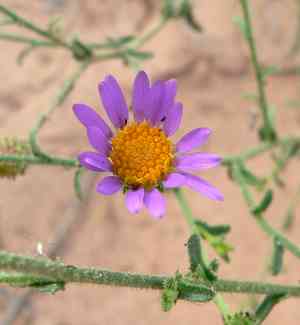
Sand aster is renowned for its vivid flowers, which can bring a burst of color to any garden setting. The blossoms range from purple and pink hues to white, offering a striking contrast against its grayish-green foliage. This plant's ability to produce a profusion of flowers over an extended blooming period ensures your garden remains lively and captivating throughout the growing season. Its visual appeal makes it ideal for borders, rock gardens, and containers.
Adaptable Landscaping Choices
Not only does Sand aster improve your garden's aesthetic appeal, but it also provides flexible landscaping options. Whether you aim to create a focal point in your yard or complement other plant species, Sand aster integrates seamlessly into various garden styles. It suits both formal and informal garden designs, adding texture and diversity to your garden's overall look. The plant's compact growth habit also makes it an excellent option for small spaces and urban gardens.
What Are the Environmental Advantages of Sand Aster?
Fostering Soil Health
Beyond its visual and ecological contributions, Sand aster plays a role in promoting soil health. Its deep root system helps prevent soil erosion by anchoring the soil, especially on slopes and embankments. Furthermore, the roots enhance soil structure and fertility by facilitating water and air penetration, crucial for the growth of other plants. This creates a more robust and resilient garden ecosystem overall.
Supporting Wildlife
In addition to attracting pollinators, Sand aster supports a variety of other wildlife. Small mammals and birds are often drawn to its seeds and utilize the plant for shelter and nesting material. This symbiotic relationship contributes to local biodiversity, ensuring that diverse species, from insects to vertebrates, thrive within your garden. You are not only creating a haven for flora but also fostering an environment where fauna can prosper.
Practical Advice for Growing and Maintaining Sand Aster
Optimal Planting Conditions
To achieve the best results when cultivating Sand aster, it's crucial to understand its preferred conditions. This plant thrives in full sun and well-drained soils. While it tolerates poor soil conditions, incorporating compost can boost its growth and bloom production. Planting Sand aster in the spring allows it to establish roots before the hottest months, ensuring a healthier, more resilient plant.
Minimal Upkeep Requirements
One of the many benefits of Sand aster is its low maintenance needs. Once established, this plant requires little to no additional watering, making it perfect for gardening novices or those seeking to reduce garden upkeep. Pruning spent blooms and occasional deadheading can help encourage longer blooming periods. Furthermore, Sand aster is relatively pest-resistant, lessening the need for chemical interventions and making it a more sustainable choice.



