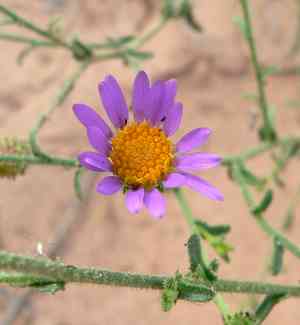
Sand aster (Dieteria canescens)
Also known as: Ziegler's aster
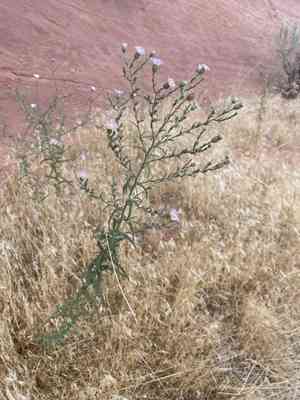
The leaves are shaped from linear to oblong, extending up to 10 cm in length near the stem's base, and typically have serrated or toothed edges. The stems are covered with short glandular hairs. The flower arrangement features one or more heads, each surrounded by multiple layers of pointed, curling, or curving bracts. The central part of the flower head is composed of numerous yellow disc florets, encircled by blue or purple ray florets that are 1 to 2 cm long. The fruit is an achene about 3 mm long, ending in a pappus of elongated hairs.
In This Article
Attributes of Sand aster
Lifespan
Biennial, Perennial
Plant Type
Herb
Plant Height
30 cm to 1.2 m
Spread
Approximately 30 to 60 cm
Leaf Color
Grayish-green
Flower Size
2.5 cm to 5 cm
Flower Color
Pink Purple
Images of Sand aster
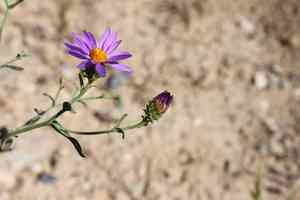
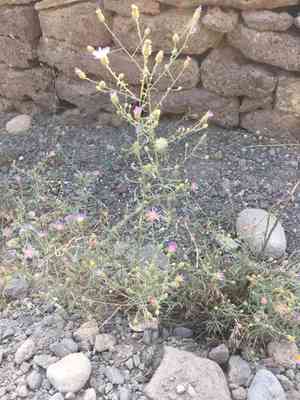
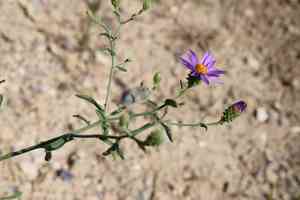
Quickly Identify Sand aster
1
Dieteria canescens can be identified by its grayish-green, hairy leaves and stems, and its purple to lavender ray florets surrounding yellow disc florets. The plant is also known for its bushy growth and profuse blooming in late summer to fall.
Scientific Classification of Sand aster
Phylum
Vascular plants
Class
Dicotyledons
Order
Asterales
Family
Daisy
Genus
Dieteria
Species
Sand aster
Planting and Growing of Sand aster
Care Difficulty
Easy
Watering Schedule
Every 3 days
Sunlight Requirements
Full sun
Sunshine Duration
4-6 hours
Ideal Temperature
65-75℉
Soil Type
Potting Mix, Peat Mix
Soil pH
6.5-7.5
Fertilizer Type
Balanced
Pruning Season
Spring, Summer
Pruning Area
Branches, Leaves
Pruning Frequency
2 times a year
Repotting Season
Spring
Pot Type
Plastic, Ceramic
 How to Water Sand aster?
Dieteria canescens requires a moderate amount of water, about 250 ml each time. It thrives when the soil is allowed to dry moderately between waterings, encouraging deep root growth. The soil should feel damp but not soggy to the touch after watering.
What are the symptoms of an underwatered Sand aster?
›
What should I do if my Sand aster is not getting enough water?
›
What are the symptoms of an overwatered Sand aster?
›
How to save an overwatered Sand aster?
›
 What Are the Sunlight Requirements for Sand aster?
Dieteria canescens thrives best with 6 to 8 hours of full to partial sun. This range encourages optimal flowering and robust health, crucial for maximizing its aesthetic and biological potential.
What is the best lighting condition for Dieteria canescens?
›
How can you ensure the plant gets ideal light?
›
What benefits does ideal lighting provide?
›
 What Is the Ideal Temperature Range for Sand aster?
The ideal temperature range for Dieteria canescens is between 65°F and 75°F. At this range, the plant can efficiently photosynthesize and grow without stress. Consistently maintaining this temperature ensures robust growth and optimal flowering.
 What Soil is Best for Sand aster?
Dieteria canescens thrives in well-drained soil that prevents water from pooling around the roots. This is critical for preventing root rot and ensuring healthy plant growth. This plant is adapted to soil with low organic matter content, which mimics its natural habitat where nutrients are often sparse, promoting resilience against nutrient deficiencies. The roots of Dieteria canescens benefit from soil that offers good aeration, allowing for oxygen exchange and fostering an environment that supports microbial activity, vital for nutrient absorption.
 How to Fertilize Sand aster?
Dieteria canescens is a plant that appreciates a balanced approach to fertilization. When using liquid fertilizer, opt for a balanced N-P-K (nitrogen-phosphorus-potassium) formula, applying approximately 1 tablespoon per square foot of soil. Solid fertilizers should be used sparingly, with a recommended amount of about 1/4 cup per plant per season. This ensures that the plant receives enough nutrients without overloading the soil.
 How to Prune Sand aster?
Begin by using sharp, clean pruning shears to cut back any dead or damaged stems. Trim the plant to maintain its shape and remove any flower stems that have already bloomed. This process encourages new growth and avoids overcrowding, allowing the plant to thrive and flower evenly throughout the growing season. Pinch back the tips of the stems to encourage a denser and bushier appearance. This technique helps in stimulating lateral growth and results in a more robust plant structure. Be sure to pinch just above a node, as this can prompt the plant to produce new shoots.
More About Pruning Techniques→
 How to Propagate Sand aster plant?
1
Collect seeds from matured Dieteria canescens plants in late summer when the seed heads turn brown and dry. Store seeds in a cool, dry place until ready to plant.
2
Fill a seed tray with potting soil, moisten it slightly, and scatter the seeds over the surface, gently pressing them into the soil without burying them too deep.
3
Water the seeds lightly using a spray bottle to avoid washing them away. Maintain moderate moisture in the soil throughout the germination period.
 How to Repot Sand aster plant?
1
Dieteria canescens should be repotted when you notice slow growth, roots growing out of the container, or the soil drying out too quickly. These are clear indicators that the plant has outgrown its current pot and needs more space to thrive.
2
Choose a pot that is one size larger than the current one with good drainage holes. The new pot's increased size allows for proper root expansion, ensuring your Dieteria canescens has plenty of space to grow healthily and flourish.
3
Opt for a well-draining potting mix that mimics the plant's natural habitat. This type of soil helps prevent root rot by allowing proper air and water flow, vital for the robust growth of Dieteria canescens.
Learn More About Sand aster Diseases
Anthracnose
Bacterial Leaf Spot
Bacterial Wilt
Crown Gall
Cyst Nematode
Damping-off
Downy Mildew
Drought Stress
Fusarium Wilt
Gray Mold
Leaf Curl
Leaf Spot
Mosaic
Nutrient Deficiency
Nutrient Toxicity
Powdery Mildew
Root Rot
Root-knot Nematode
Rusts
Sooty Mold
Spider Mites
Temperature Stress
Thrips Damage
White Mold



