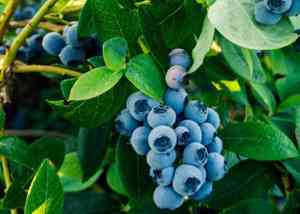
New jersey blueberry (Vaccinium caesariense)
Also known as: New Jersey Blueberry
Vaccinium caesariense, also known as New Jersey blueberry, features small, oval green leaves that it sheds in the winter. As a dicotyledonous shrub, it has a multi-stemmed, perennial growth pattern. Typically, it does not exceed 5 meters (around 16 feet) in height, largely due to its multiple branching structure.
In This Article
Attributes of New jersey blueberry
Lifespan
Perennial
Plant Type
Shrub
Plant Height
4-7 feet
Spread
3-5 feet
Leaf Color
Green, turns reddish in fall
Flower Size
1-1.5 cm
Flower Color
White to pinkish
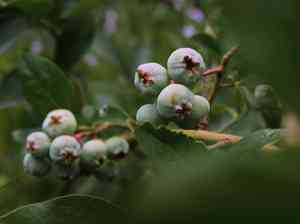
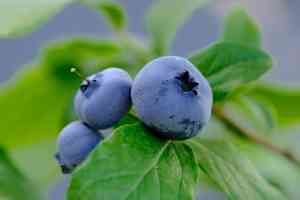
Images of New jersey blueberry

Quickly Identify New jersey blueberry
1
Identification of Vaccinium caesariense can be done by its small, bell-shaped flowers, and prominently blueberry-like fruits. Its leaves are usually green, ovate to lanceolate, and turn reddish in fall.
Scientific Classification of New jersey blueberry
Phylum
Vascular plants
Class
Dicotyledons
Order
Ericales
Family
Heath
Genus
Blueberries
Species
New jersey blueberry
Planting and Growing of New jersey blueberry
Care Difficulty
Easy
Watering Schedule
Every 4 days
Sunlight Requirements
Partial sun
Sunshine Duration
6-10 hours
Ideal Temperature
65-75℉
Soil Type
Potting Mix, Peat Mix
Soil pH
4.5-5.5
Fertilizer Type
Balanced
Pruning Season
Spring, Summer
Pruning Area
Branches, Leaves
Pruning Frequency
2 times a year
Repotting Season
Spring
Pot Type
Plastic, Ceramic
 How to Water New jersey blueberry?
Vaccinium caesariense, commonly known as the garden huckleberry, thrives in a soil that is consistently moist but not waterlogged. Aim to water with approximately 500 ml each time, ensuring that the water penetrates the soil deeply without accumulating at the base.
What are the symptoms of an underwatered New jersey blueberry?
›
What should I do if my New jersey blueberry is not getting enough water?
›
What are the symptoms of an overwatered New jersey blueberry?
›
How to save an overwatered New jersey blueberry?
›
 What Are the Sunlight Requirements for New jersey blueberry?
Partial sun provides an ideal light range for Vaccinium caesariense, allowing it to receive moderate morning or filtered light that promotes strong growth and sustains berry production without overwhelming the plant.
What is the ideal amount of sunlight for Vaccinium caesariense?
›
How can I achieve the ideal light conditions for Vaccinium caesariense?
›
What are the benefits of ideal lighting conditions for Vaccinium caesariense?
›
 What Is the Ideal Temperature Range for New jersey blueberry?
The ideal temperature range for Vaccinium caesariense is essential to ensure optimal growth and productivity. Temperatures between 65°F and 75°F provide the most favorable conditions for photosynthesis and nutrient uptake, ultimately supporting robust plant health and fruit development.
 What Soil is Best for New jersey blueberry?
A soil with good drainage is crucial for Vaccinium caesariense, as it prevents waterlogging which can lead to root rot. Loamy soil, with its balanced texture, typically provides the best drainage, promoting healthy root development and nutrient uptake. Proper soil aeration is essential to ensure that roots get enough oxygen. Sandy soils often offer excellent aeration, helping the plant maintain vigorous growth and preventing anaerobic decay. Increasing the organic matter content in the soil can help improve its water retention and nutrient supply. Peat or compost amendments can enhance the overall fertility of the soil, providing essential nutrients for optimal growth.
 How to Fertilize New jersey blueberry?
For Vaccinium caesariense, it's important to provide the right amount of nutrients without overwhelming the plant. Typically, a balanced liquid fertilizer diluted to half strength is recommended, ensuring you provide about 1 teaspoon per gallon of water during application. This allows the plant to absorb nutrients gradually, preventing any root damage or nutrient burn.
 How to Prune New jersey blueberry?
When pruning Vaccinium caesariense, focus on removing dead, damaged, or diseased wood first. Target older stems by looking for grey, peeling bark and remove those to encourage new growth. Aim to create an open structure allowing air and light to penetrate the canopy. Use sharp, clean pruning shears to make clean cuts at a 45-degree angle to prevent water accumulation and infection. Make cuts just above a bud or a new lateral branch. Always sanitize tools before and after pruning to prevent spreading diseases. It’s essential to shape the shrub by ensuring a balance between older wood and newer growth. Keep an eye out for branches that cross each other or are growing inwards, as they should be pruned to avoid poor aesthetics and encourage a more productive plant.
More About Pruning Techniques→
 How to Propagate New jersey blueberry plant?
1
Start by preparing a seedbed with a mixture of peat moss and perlite. This provides excellent drainage and aeration for seed germination. Level the surface and moisten it slightly before sowing the seeds.
2
Select healthy stems and cut 4-6 inches with a few leaves on them. Remove any flowers or buds to direct energy towards root development. Dip the cut end in rooting hormone to encourage root growth.
3
Carefully dig up the plant without disturbing the root system. Using a sharp knife, divide the root ball into sections, making sure each section has ample roots and shoots. Replant each division immediately for successful establishment.
 How to Repot New jersey blueberry plant?
1
Knowing when to repot Vaccinium caesariense is crucial for its healthy growth. The best signal is when you see roots emerging from the drainage holes of the existing pot. Additionally, if the plant's growth seems stunted or it's drying out too quickly between waterings, it may be time to provide it with a spacious new home.
2
Selecting the perfect pot for Vaccinium caesariense involves considering both size and material. Opt for a pot that is one size larger than the current one to allow room for root expansion. Preferably, choose terracotta or ceramic pots as they are breathable, preventing waterlogging and promoting healthy root development.
3
For Vaccinium caesariense, the soil should be acidic, well-draining, and rich in organic matter. A mixture including peat moss and perlite will maintain the right pH while ensuring good drainage, preventing root rot. This composition will replicate its natural environment, allowing it to thrive post-repotting.



