How to Prune New jersey blueberry?
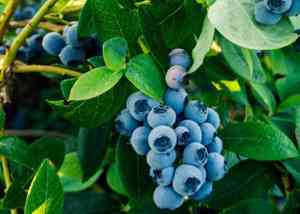
A indigenous bush, new jersey blueberry is recognized for its delectable fruit and brilliant autumn leaves. Trimming ought to occur in late winter or early spring, while the plant is inactive. Concentrate on eliminating deceased or diseased limbs, reducing older stalks to stimulate fresh development, and molding the plant to enhance air movement and sun exposure. Consistent pruning elevates berry yield and sustains plant well-being, assisting in warding off ailments and guaranteeing plentiful crops.
What Are the Benefits of Pruning New Jersey Blueberry?
What Are the Benefits of Pruning New Jersey Blueberry?
Trimming new jersey blueberry encourages robust development and helps maintain its desired form. Regular cutting eliminates aged, less fruitful branches, fostering the growth of new, productive shoots for enhanced berry yield.
What Is the Best Time for Pruning New Jersey Blueberry?
What Is the Best Time for Pruning New Jersey Blueberry?
Trimming new jersey blueberry in late winter or early spring, prior to new growth, is crucial. This timing allows the plant to recover from cuts without extreme cold or heat stress. It also prevents the removal of developing flower buds, which form on last year's growth and are vital for the plant's fruit production cycle. Additionally, the plant's structure is more visible when dormant, and the risk of disease transmission is lower as many pathogens are inactive.
What Tools Do I Need to Prune New Jersey Blueberry?
Hand Pruners (Secateurs)
Perfect for making clean cuts on individual stems of new jersey blueberry up to approximately 3/4 inch thick. They help prevent damage to delicate branches and ensure healthy regrowth.
Loppers
Useful for reaching deeper into new jersey blueberry plants and cutting thicker branches, typically up to 1.5 inches in diameter. They offer greater leverage and allow for precise cuts without undue plant stress.
Garden Saws
Essential for removing mature wood or larger branches too thick for hand pruners or loppers. This will help maintain the overall health and shape of new jersey blueberry.
Pruning Saws
Especially useful for detailed work on new jersey blueberry when managing denser sections of the plant, enabling precise cuts in confined spaces.
How to Prune New Jersey Blueberry
Identify
Identify and remove any diseased or withered leaves from new jersey blueberry. This prevents disease spread and promotes healthier foliage.
Cut back
Locate and trim back any dead or diseased branches on new jersey blueberry. Make clean cuts near the main stem to encourage healing and reduce further infection risk.
Thin
Thin out new jersey blueberry's branches to improve light penetration and air circulation. Focus on removing branches that are crossing or growing inward.
Common Pruning Mistakes with New Jersey Blueberry
Overpruning
Removing too many branches at once can stress new jersey blueberry, reducing its vigor and berry production. It's not advisable to remove more than one-third of the plant's total volume in a single pruning session.
Cutting productive canes
Improperly removing healthy, mature canes vital for the current or next season's fruit production can significantly decrease new jersey blueberry's yield.
Neglecting older canes
Failing to remove canes older than four years, which no longer produce optimally, can lead to a cluttered plant structure and reduced overall fruit quality and quantity.
Incorrect cutting technique
Cutting canes at improper angles or tearing stems may lead to disease entry and poor wound healing in new jersey blueberry. Proper clean cuts should be made just above a healthy bud.
Common Pruning Tips for New Jersey Blueberry
Selective thinning
Focus on thinning the canopy to promote sunlight penetration and air circulation, crucial for new jersey blueberry's health and fruiting. Remove primarily the oldest and least productive canes.
Maintain plant structure
Aim to create and maintain a vase-like shape with an open center, supporting healthy growth and ease of harvest. This involves systematically choosing strong, well-placed new canes to replace older ones.
Healthy cane selection
Preserve strong new canes that grew during the last season; these will be the main fruit producers in coming years. Typically, keeping around six to eight of the most vigorous new canes per bush is optimal.
Annual consistency
Prune new jersey blueberry consistently each year to prevent over-accumulation of old canes and to sustain production levels. Regular removal of some new growth also helps maintain shape and productive capacity.



