How to Propagate New jersey blueberry?
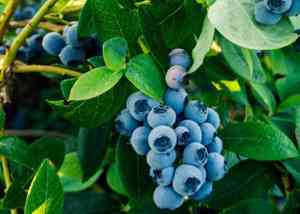
New Jersey blueberry, frequently grown for its flavorful fruit, flourishes most effectively when reproduced via cuttings. The most favorable outcomes are typically attained by employing semi-hardwood cuttings obtained from robust mother plants. These ought to be treated with a rooting stimulant to boost root formation. Verify that these cuttings are situated in a propagation substrate that drains efficiently and remains damp, protected within a regulated setting that sustains elevated humidity to encourage successful root establishment. Consistent observation for dampness guarantees cuttings do not desiccate, which is vital for their endurance and progression.
Optimal Period for Propagating New Jersey Blueberry
Propagation Method
Cutting
Propagation Period
Autumn,Winter
Equipment Utilized in New Jersey Blueberry Propagation
Sharp Secateurs or Pruning Shears
These implements are vital for achieving clean, precise cuts when gathering new jersey blueberry cuttings. A clean cut prevents disease and promotes superior root development. Especially for new jersey blueberry, which can have somewhat woody stems, sharp secateurs ensure minimal harm to both the parent plant and the cutting.
Rooting Hormone
This chemical compound stimulates root formation from new jersey blueberry cuttings. Applying rooting hormone to the cutting's base before planting boosts the likelihood of successful rooting and establishment, which is crucial for new jersey blueberry's relatively delicate new roots.
Sterile Potting Mix
Employing a sterile potting medium prevents the introduction of soil-borne pathogens, which could harm the vulnerable new jersey blueberry cuttings. An ideal mix typically includes peat moss and perlite, offering aeration and proper moisture retention that supports root growth.
Planting Pots or Trays
Pots or trays are used to house the cuttings after they've been treated with rooting hormone. They must possess good drainage to prevent waterlogging, which is detrimental to root formation in new jersey blueberry cuttings. The dimensions should accommodate new jersey blueberry's rooting requirements, allowing ample space for initial root system development.
Misting System or Humidity Dome
Maintaining high humidity around new jersey blueberry cuttings is essential to prevent desiccation before they root. A humidity dome or a simple misting system keeps the air moist, fostering an environment conducive to rooting.
Procedure for Propagating New Jersey Blueberry
Propagation Difficulty
Moderately Difficult
Post-Propagation Care for Your New Jersey Blueberry
Post-Propagation Care for Your New Jersey Blueberry
Once new jersey blueberry cuttings have successfully rooted and begun to grow, gradually introduce them to less humid conditions before transplanting them to their permanent site. New jersey blueberry thrives in acidic, well-draining soil and partial to full sun. Consistent watering, particularly during dry spells, and annual mulching with organic material like pine needles or leaf mold will help maintain optimal soil conditions. Monitor for pests and diseases, especially fungal issues, and manage with appropriate cultural or chemical treatments as necessary.
Common Errors to Avoid When Propagating New Jersey Blueberry
Insufficient soil acidity
If the soil lacks adequate acidity, new jersey blueberry may struggle to absorb vital nutrients, potentially leading to stunted growth and reduced vigor.
Overwatering
Excessive watering can result in root rot, a severe condition that can damage or kill new jersey blueberry roots, hindering their capacity to absorb water and nutrients effectively.
Using mature wood
Propagating new jersey blueberry from mature wood instead of semi-hardwood or softwood can significantly decrease the chances of successful root development.
Neglecting to use rooting hormones
Omitting the application of rooting hormones can lead to slow or unsuccessful rooting, especially in cuttings, which require additional assistance to establish roots.
Tips For Propagating New Jersey Blueberry
Maintain acidic soil conditions
Ensuring a soil pH of 4.5 to 5.5 is vital for new jersey blueberry, as it aids in proper nutrient absorption and overall health.
Provide adequate moisture but avoid waterlogging
While new jersey blueberry requires moist soil to encourage root growth, ensure good drainage to prevent waterlogged conditions which can cause root rot.
Use semi-hardwood cuttings
Propagating new jersey blueberry during the growth phase using semi-hardwood cuttings enhances the likelihood of rooting. This type of cutting offers a balance between flexibility and maturity.
Apply rooting hormones
Utilizing rooting hormones on new jersey blueberry cuttings can significantly boost the rooting success rate by stimulating faster root growth and development.



