How to Transplant New jersey blueberry?
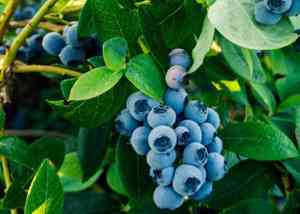
New jersey blueberry flourishes when relocated between late winter and early spring, as its dormant state minimizes shock. Provide a brightly lit spot with mildly acidic earth for peak development. Carefully move the plant to prevent root damage and thoroughly hydrate it following the transfer.
What Preparations are Needed Before Transplanting New Jersey Blueberry?
What is the Ideal Time for Transplanting New Jersey Blueberry?
New jersey blueberry, a perennial plant, flourishes best when moved in late winter to early spring. This timeframe allows the plant to establish roots prior to vigorous growth in warmer months. Relocating at this time minimizes stress, promotes optimal root development, and maximizes nutrient absorption, ensuring robust plant health and abundant yields during the growing season.
How Much Space Should You Leave Between New Jersey Blueberry Plants?
When relocating new jersey blueberry, ensure they are planted 5-6 feet (1.5-1.8 meters) apart. This provides ample room for growth and guarantees proper air circulation.
What is the Best Soil Mix for New Jersey Blueberry Transplanting?
Ensure the soil for new jersey blueberry is well-draining and acidic, with a pH between 4.5 and 5.5. Amend the soil by incorporating well-decomposed compost and an acid-based fertilizer specifically formulated for blueberries.
Where Should You Relocate Your New Jersey Blueberry?
Move new jersey blueberry to a spot where they receive full sunlight for at least 6-8 hours daily. They thrive best in these sunny locations as it aids in the proper ripening of their berries.
What Equipments Should You Prepare Before Transplantation New Jersey Blueberry?
Gardening Gloves
To safeguard your hands while handling soil and the plant.
Small Shovel or Spade
To excavate around and lift the plant from its initial position.
Large Pot or Bucket
To transport the plant if required.
Pruning Shears
To trim any damaged roots or branches.
Watering Can or Hose
To hydrate the plant before and after relocation.
Compost or Organic Matter
To enrich the soil in the new planting area.
Garden Fork
To loosen the soil at the new planting site.
Mulch
To help retain moisture around the plant after transplanting.
How Do You Remove New Jersey Blueberry from the Soil?
How Do You Remove New Jersey Blueberry from the Soil?
From Ground: First, moisten the new jersey blueberry plant's soil. Then, dig a wide trench around the plant using a shovel or spade, ensuring the plant's root ball remains intact. Carefully work the spade beneath the root ball to lift the plant from its original spot.From Pot: Thoroughly water the new jersey blueberry plant. Gently tap the pot's sides to loosen the soil. Carefully tilt the pot and support the plant's base as you slide it out, keeping the root ball whole.From Seedling Tray: Water the seedlings well. Using a small tool or your fingers, gently loosen the soil surrounding the seedlings. Carefully lift the seedlings by their leaves (not the stem) to prevent plant damage.
Step-by-Step Guide for Transplanting New Jersey Blueberry
Prepare the New Planting Site
Loosen the soil in the new planting area using a garden fork. Enrich the soil with compost or organic matter to ensure a nutrient-rich environment for the new jersey blueberry.
Dig a Hole
Excavate a hole that is twice as wide and equally deep as the root ball of the new jersey blueberry. This will provide ample space for the roots to spread and grow.
Transfer the Plant
Carefully position the new jersey blueberry in the prepared hole. Ensure the top of the root ball is level with the surrounding soil surface.
Backfill the Hole
Fill the hole with soil, gently firming it around the roots as you go to eliminate any air pockets. Water the soil thoroughly after filling the hole.
Add Mulch
Apply a layer of mulch around the base of the new jersey blueberry to help retain moisture and suppress weeds. Keep the mulch a few inches away from the stem to prevent rotting.
How Do You Care For New Jersey Blueberry After Transplanting?
Watering
Keep the soil around the new jersey blueberry consistently moist, but not waterlogged, for the initial weeks after transplanting to aid in strong root establishment.
Monitoring
Observe for any indications of stress such as wilting or yellowing leaves and address issues promptly. New plants may require some time to adapt to their new location.
Pruning
Trim any damaged or dead branches to encourage new growth and maintain plant vitality.
Fertilization
Once the new jersey blueberry exhibits new growth, you can begin feeding it with an appropriate plant food to support its ongoing development.
Troubleshooting Common Issues with New Jersey Blueberry Transplantation.
When is the best time to transplant new jersey blueberry?
Early spring or from mid to late winter is ideal for relocating new jersey blueberry.
How far apart should you space new jersey blueberry plants?
Space new jersey blueberry plants 5-6 feet (1.5-1.8 meters) apart to ensure sufficient growth.
What's the preferred soil type for new jersey blueberry?
New jersey blueberry thrives in well-drained, acidic soil with a pH of 4.5-5.5.
Should I prune new jersey blueberry before transplanting?
Yes, trim about one-third of the plant to reduce stress and stimulate new growth.
How much water does new jersey blueberry need post-transplant?
Keep the soil consistently moist but not waterlogged, especially during the first month.
How deep should you plant new jersey blueberry seedlings?
Plant new jersey blueberry seedlings at the same depth they were originally growing.
What temperature is too cold for transplanting new jersey blueberry?
Avoid transplanting if temperatures are below 20°F (-6°C) to protect the plant.
How should you prepare the transplant hole for new jersey blueberry?
Dig a hole twice the width of the root ball but no deeper than the roots.
Is mulching necessary after transplanting new jersey blueberry?
Yes, apply 2-3 inches (5-7.5 cm) of mulch to retain moisture and regulate temperature.
Can new jersey blueberry be transplanted in full sun?
Yes, new jersey blueberry prefers full sun but can tolerate partial shade.



