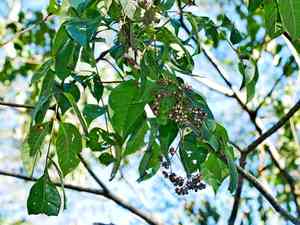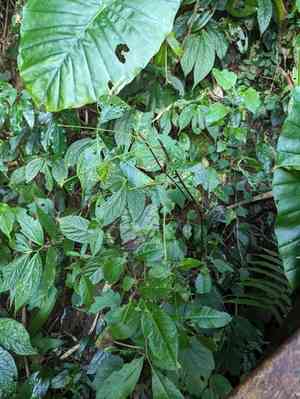
Evodia(Tetradium ruticarpum)

Evodia (Tetradium ruticarpum)

Also known as: Evodia, Wu Zhu Yu, Rutaceae Evodia

The evodia tree, also known as Tetradium daniellii, thrives in a variety of climates and is well-suited for mid-altitude woodland areas. Here are its key characteristics and uses:

### Characteristics:
1. **Height**: Reaches 25-30 feet.
2. **Leaves**: Features dark green, pinnate leaves that turn yellow in autumn.
3. **Flowers**: Produces small, fragrant white flowers in late summer.
4. **Fruit**: Yields small, red-to-black berries.
5. **Growth**: Rapid grower.
6. **Hardiness**: Adapts well to different soil types and urban environments.

### Uses:
1. **Attracts Pollinators**: Especially appealing to bees.
2. **Ornamental**: Valued for its attractive flowers and foliage.
3. **Shade Provider**: Offers ample shade due to its dense canopy.

### Cautions:
1. **Invasiveness**: Can spread aggressively in some areas.
2. **Messy**: Dropped berries can be messy and may stain.
3. **Root System**: Strong roots can disrupt nearby plants or structures.
4. **Prolific Seeding**: Generates numerous saplings that may require management.
5. **Allergic Reactions**: Some individuals may experience allergies.

When considering planting an evodia tree, be mindful of its invasive potential, aggressive roots, and possible allergenic effects to ensure it suits your garden and local ecosystem.

Attributes of Evodia

Lifespan
Perennial
Plant Type
Tree
Plant Height
10 m
Spread
5 m
Leaf Color
Dark green
Flower Size
2.5 cm to 18 cm
Flower Color
White Green Red

ForwardPlant - Identify plants with a snap

Identify and diagnose plants, get toxicity alerts, and explore safety guides for all types of fungi.

Try for Free

Images of Evodia

Evodia(Tetradium ruticarpum)

Quickly Identify Evodia

1
Look for a deciduous tree or shrub with pinnate leaves, which typically have 3-5 pairs of leaflets. The flowers are small, white to greenish-white, and grow in large clusters. The fruit is a small, red to black berry-like drupe.

Scientific Classification of Evodia

Phylum
Vascular plants
Class
Dicotyledons
Order
Maples, mangos, mahogany, citrus, and allies
Family
Rue
Genus
Euodia
Species
Evodia

Planting and Growing of Evodia

Care Difficulty
Easy
Watering Schedule
Every 4 days
Sunlight Requirements
Full sun
Sunshine Duration
6-10 hours
Ideal Temperature
68-77℉
Soil Type
Potting Mix, Peat Mix
Soil pH
6.5-7.5
Fertilizer Type
Balanced
Pruning Season
Spring, Summer
Pruning Area
Branches, Leaves
Pruning Frequency
2 times a year
Repotting Season
Spring
Pot Type
Plastic, Ceramic

water icon How to Water Evodia?

Tetradium ruticarpum prefers well-moisturized but not waterlogged soil. Watering should ensure that the top inch of soil is moist, using approximately 300 ml of water each time. Avoid drenching the soil completely as this plant prefers moderate moisture levels.
What are the symptoms of an underwatered Evodia?
What should I do if my Evodia is not getting enough water?
What are the symptoms of an overwatered Evodia?
How to save an overwatered Evodia?

sunlight icon What Are the Sunlight Requirements for Evodia?

Sunlight Requirements: Full sun, Partial sun
Duration of light: 6 to 8 hours
The ideal light range for Tetradium ruticarpum is partial to full sun exposure. This range ensures balanced photosynthesis which is crucial for maintaining healthy growth and preventing common light-related stress symptoms.
How much sunlight does Tetradium ruticarpum ideally need?
What measures can you take to ensure Tetradium ruticarpum gets ideal sun exposure?
What are the benefits of Tetradium ruticarpum receiving ideal sunlight?

temperature icon What Is the Ideal Temperature Range for Evodia?

Ideal Temperature: 68 ~ 77℉
The ideal temperature range for Tetradium ruticarpum lies between 68°F and 77°F. Maintaining this temperature range provides optimal conditions for growth and development, ensuring healthy foliage and vibrant flowering. This temperature range replicates the subtropical environment where this plant naturally thrives.

soil icon What Soil is Best for Evodia?

Soil type: Loam, Sandy loam
Soil PH: 6.5 ~ 7.5
Tetradium ruticarpum thrives in well-drained soil. Good drainage prevents root rot and allows the plant to access nutrients efficiently, fostering strong growth and vibrant foliage. This plant prefers soil with moderate moisture. Consistent moisture supports healthy root conditions and prevents wilting, promoting a resilient and lush plant appearance. Nutrient-rich soil is ideal for Tetradium ruticarpum, as it provides essential minerals for robust plant growth, enhancing leaf health and flowering potential.

fertilize icon How to Fertilize Evodia?

Fertilizer type: Balanced
For Tetradium ruticarpum, apply liquid fertilizer at a rate of 10 ml per liter of water. When using a slow-release fertilizer, apply approximately 50 grams per square meter. Adjust the amount according to the soil's natural fertility and local conditions.

prune icon How to Prune Evodia?

Pruning Time: Spring, Summer
Begin by identifying any dead, dying, or diseased branches. These should be your primary targets for removal, as they're detrimental to the plant's overall health. Make sure each cut is at a 45-degree angle about a quarter of an inch above a bud that faces outward. This encourages new growth to develop outward, promoting a well-shaped plant. More About Pruning Techniques

propagate icon How to Propagate Evodia plant?

Propagate Time: Spring, Early summer
1
Select seeds that are healthy and plump. Avoid those that are discolored or shriveled. A good seed is crucial for successful germination and strong plant development.
2
Cut a healthy branch from the mother plant, preferably 6-8 inches long, and remove the lower leaves. This step is critical in reducing moisture loss and encouraging root growth in the cutting.
3
Place seeds or cuttings into soil or a growing medium, ensuring proper depth and spacing. Water lightly to prevent disturbance, as too much water can lead to rot or fungal growth.
More About Propagating Techniques

repot icon How to Repot Evodia plant?

Repotting frequency: Every 2-3 years
1
Look for signals like roots emerging from the pot's drainage holes or visible root binding on the soil surface, indicating it's time for a larger container.
2
Select a pot 2-3 inches larger in diameter than the current one, ensuring it has ample drainage holes. This size promotes healthy root expansion and aerobic soil conditions.
3
Opt for a nutrient-rich, well-draining loam that allows moisture retention while preventing root rot, supporting the plant's vigorous growth.

ForwardPlant - Identify plants with a snap

Find the best spots for them to optimize their health, simply using your phone.

Try for Free