How to Prune Evodia?
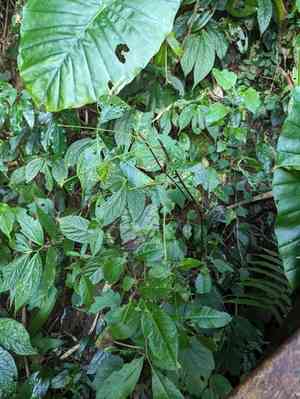
Evodia, a deciduous tree recognized for its compound leaves and fragrant blossoms, flourishes with judicious trimming. To preserve its well-being and structure, eliminate deceased, ailing, or congested branches in late winter or early spring prior to the emergence of new foliage. Reducing the density of the crown encourages superior air movement and light access, thereby boosting bloom production and vitality. Exercise restraint when pruning, as evodia performs optimally with limited intervention, resulting in a naturally abundant look.
What Are the Benefits of Pruning Evodia?
What Are the Benefits of Pruning Evodia?
Trimming evodia encourages robust new development and assists in maintaining a desired form, crucial for both its appearance and overall vitality. Regular trimming ensures an appealing, well-structured specimen.
What Is the Best Time for Pruning Evodia?
What Is the Best Time for Pruning Evodia?
Pruning evodia in late winter or early spring is ideal because this timing aligns with the plant's dormant period, just before new growth begins. During this phase, the absence of leaves allows for a clearer view of the plant's structure, making strategic cutting and shaping easier. Additionally, since evodia is less vulnerable to stress or disease when dormant, pruning at this time minimizes potential harm. This timing also avoids disrupting evodia's flowering or fruiting cycles, which typically occur in the summer. By pruning in late winter or early spring, gardeners promote healthier, more vigorous growth and blooms in the upcoming season.
What Tools Do I Need to Prune Evodia?
Hand Pruners
Perfect for trimming and shaping evodia's smaller branches due to their precision and ease of use. They can cleanly cut through stems and small branches up to 3/4 inches in diameter.
Lopping Shears
These are useful for larger branches of evodia that are between 3/4 inches and 2 inches in diameter. Lopping shears provide more leverage and are designed to make clean cuts without damaging the plant.
Pruning Saw
For the mature branches of evodia that exceed 2 inches in diameter, a pruning saw is necessary. Its sharp teeth and ergonomic handle allow gardeners to make controlled cuts on larger limbs.
Pole Pruner
If evodia has grown tall and there are hard-to-reach branches, a pole pruner comes in handy. This allows for pruning without the use of a ladder, ensuring safety and precision from the ground.
Hedge Shears
For shaping the external foliage of evodia, especially if it is being grown as a hedge, hedge shears will help maintain an even and aesthetically pleasing outer shape.
How to Prune Evodia
Sanitize
Before starting the pruning process, clean and disinfect all pruning tools to prevent the spread of disease to evodia.
Identify
Examine evodia thoroughly to locate dead or diseased branches, which often appear discolored, brittle, or show signs of infection.
Cut dead branches
Using sharp, clean pruning shears, carefully remove dead branches by cutting at a 45-degree angle just above a healthy bud or junction to promote proper healing and regrowth.
Cut diseased branches
Prune diseased branches by making cuts well below the affected areas, ensuring not to spread pathogens to healthy parts of evodia. Dispose of these branches properly, away from healthy plants.
Clean up
After pruning, clear the surrounding area to remove all fallen debris and dispose of them, as they could harbor pests or disease that could affect evodia if left unattended.
Common Pruning Mistakes with Evodia
Overpruning
Removing too much foliage, which can stress evodia, weaken its structure, and reduce its vigor.
Improper cut location
Making cuts either too close or too far from the bud can cause stem damage or result in undesirable growth.
Pruning during active growth
Trimming evodia when it's in an active growing phase may lead to excessive sap loss and reduced flowering.
Using dull tools
Dull pruning tools can cause jagged cuts that are more susceptible to pests and diseases.
Ignoring deadwood
Failing to remove dead or diseased branches can lead to further decay and negatively impact evodia's health.
Common Pruning Tips for Evodia
Clean cut
Use sharp, clean tools to ensure precise cuts that heal quickly, reducing the risk of infection.
Angled cut
Make cuts at a 45-degree angle away from buds to ensure proper water run-off and prevent disease.
Selective pruning
Focus on thinning out crowded areas to increase air circulation and light penetration, essential for evodia's health.
Shape maintenance
Prune for symmetry and balance to maintain evodia's natural shape while encouraging new growth.
Post-pruning care
Apply a suitable wound dressing if needed and water evodia adequately to support recovery after pruning.



