How to Transplant Evodia?
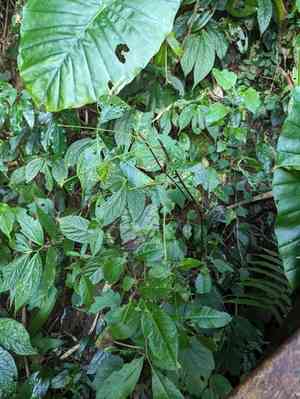
The optimal period for relocating evodia spans from the initial warmth of early spring through the mild onset of late spring, facilitating strong root development. Choose a location that receives full sun to partial shade and features soil with good drainage to maximize its growth. A helpful suggestion: ensure the roots remain hydrated throughout this moving process.
What Preparations are Needed Before Transplanting Evodia?
What is the Ideal Time for Transplanting Evodia?
The optimal period for relocating evodia spans from early spring to the beginning of summer. This timeframe, characterized by warmer soil and consistent temperatures, promotes evodia's root development before the summer heat. Moving evodia during this season leverages the mild spring climate, allowing roots to adapt without extreme conditions, fostering vigorous growth. Utilize this window for transplanting to give evodia a beneficial head start.
How Much Space Should You Leave Between Evodia Plants?
Hello, plant enthusiast! Before placing your evodia in its new spot, ensure adequate spacing for optimal growth. Aim for approximately 15-20 feet (4.5-6 meters) between plants to provide ample room for expansion.
What is the Best Soil Mix for Evodia Transplanting?
Your evodia will thrive in a well-prepared soil bed. Select a soil that drains efficiently and is rich in organic material. Prior to planting, incorporate a balanced, slow-release fertilizer to give your evodia a healthy beginning.
Where Should You Relocate Your Evodia?
For your evodia, a location that receives ample sunlight will be ideal. Full sun exposure will keep your evodia content, so seek an area that is illuminated by sunshine for most of the day.
What Equipments Should You Prepare Before Transplantation Evodia?
Gardening Gloves
To safeguard your hands while handling soil and the plant.
Shovel or Spade
For excavating the plant from its original site and preparing the new planting hole.
Pruning Shears
To trim any damaged or overly long roots.
Wheelbarrow or Garden Cart
For moving the plant and soil.
Watering Can or Hose
To hydrate the plant before and after its relocation.
Mulch
To aid in moisture retention and regulate soil temperature after transplanting.
Rooting Hormone (optional)
To encourage root growth in the new environment.
Stakes and Tie Material
To support the evodia if its size or site conditions necessitate it.
How Do You Remove Evodia from the Soil?
How Do You Remove Evodia from the Soil?
From Ground: First, moisten the evodia's soil to facilitate easier handling. Next, dig a wide circle around the plant to prevent damage to the root ball. Once encircled, dig beneath the plant to free the root ball and carefully lift it from the ground.From Pot: Water the evodia and allow the moisture to penetrate. Invert the pot and tap its sides to loosen the roots. Gently pull the plant from its base to slide it out, taking care not to pull too forcefully and harm the plant.From Seedling Tray: Dampen the seedling tray's soil before attempting to extract the evodia. Use a fork or a small tool to carefully lift each seedling without harming its roots or stem.
Step-by-Step Guide for Transplanting Evodia
Preparation
Assemble all necessary tools and have your mulch and water source ready. Ensure suitable weather conditions, avoiding extremely hot or cold days for transplanting evodia. This maximizes the plant's chances of thriving in its new location without added stress. Plan to work in the morning or late afternoon to avoid the day's strongest sun, which could further stress the plant post-transplant. Also, prepare the new planting hole before removing the evodia from its current spot to minimize root exposure to air. A swift transition is vital for successful transplanting. Ensure the hole is as deep as the root ball and twice as wide to allow ample room for root expansion. This provides evodia with optimal conditions and space for efficient re-establishment. Lightly water the hole before transplanting the evodia. This initial moisture will aid root establishment and lessen transplant shock.
Transplanting
After removing the evodia from its original site, place it in the pre-dug hole, adjusting its position so it stands upright and at the same depth as before. This is crucial, as planting too deep or shallow can stress the plant and hinder its growth. Backfill around the root ball with soil, gently tamping down to eliminate air pockets. Securing the evodia in its new home without over-compacting the soil allows for proper root growth and drainage. Water the evodia thoroughly after transplanting to help settle the soil and provide essential hydration.
Supporting
If the evodia is large or the site is exposed to strong winds, stake around the plant for support. Position stakes at the edge of the root ball and loosely tie them to the evodia with appropriate material, being careful not to damage the bark. This will help the plant remain upright and reduce wind damage while new roots form. Avoid tying too tightly, as the evodia needs some natural movement. This slight sway encourages stronger root and stem development.
Mulching
Once the evodia is securely planted, apply a layer of mulch around the plant's base, ensuring it doesn't directly touch the stem or trunk. This will help retain moisture, suppress weeds, and regulate soil temperature. Mulching acts as a protective layer, assisting the plant in various ways during its adjustment period in its new environment.
How Do You Care For Evodia After Transplanting?
Monitoring
Observe your evodia closely over the subsequent weeks, looking for any indications of stress such as wilting, yellowing, or leaf drop. Respond accordingly, and if uncertain, seek guidance from a local nursery or gardening community. This diligent care during the initial weeks will help ensure your evodia recovers from the transplanting process and begins to develop new roots.
Trimming
Prune any dead or damaged branches to enable the evodia to direct its energy towards establishing new roots rather than repairing injured parts. This selective pruning is part of the healing process, allowing the evodia to focus its resources where they are most needed.
Staking Adjustments
Regularly inspect staking ties to ensure they are not too tight and adjust them as the evodia grows. This prevents damage to the developing stem or branches while accommodating the plant's natural growth.
First Season Care
Throughout the initial growing season, pay close attention to the evodia's requirements. While transplanting has been the focus, ongoing care regarding watering, pest monitoring, and disease management are equally important to support the evodia as it establishes in its new setting. Proper care will lay the groundwork for healthy growth in subsequent years.
Troubleshooting Common Issues with Evodia Transplantation.
When is the best time to transplant evodia?
The optimal period to move evodia is during the rejuvenating seasons of early to late spring.
What should be the minimum distance between evodia plants?
Ensure ample space by planting evodia at intervals of 15-20 feet (4.5-6 meters) apart.
What soil conditions favor evodia after transplanting?
Post-transplant, evodia thrives in well-draining soil rich in organic matter.
How much should I water evodia post-transplant?
Initially, water evodia generously to aid root establishment, then adjust to moderate frequency.
What is the ideal depth for transplanting evodia's root ball?
The root ball of evodia should be placed in a hole twice its width and of equal depth.
How can I tell if evodia is successfully transplanting?
Success is indicated by new growth; yellowing or wilting leaves suggest distress.
Can evodia be transplanted under direct sunlight?
It's best to transplant evodia on a cloudy day or during mild temperatures to prevent stress.
What is the aftercare for evodia following transplantation?
Post-transplant care includes appropriate watering, mulching, and protection from harsh elements.
How do I prepare evodia for transplanting?
Prior to moving, hydrate evodia thoroughly, trim any excess to prioritize root growth.
How frequently should I fertilize evodia after transplanting?
Fertilize evodia sparingly after transplant to avoid overstimulating foliage before root establishment.



