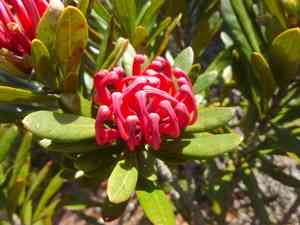
Tasmanian waratah (Telopea truncata)
Also known as: Tasmanian Waratah
Tasmanian waratah is characterized by its vibrant red flowers and serrated dark green leaves. These distinctive blossoms, often seen in cone-shaped clusters, are instrumental in the plant's adaptation to attract pollinators. Thriving in cooler, mountainous regions, tasmanian waratah's sturdy structure allows it to withstand harsh conditions, making it a resilient emblem of its native habitat.
In This Article
Attributes of Tasmanian waratah
Lifespan
Perennial
Plant Type
Shrub
Plant Height
3 to 4 meters
Spread
2 to 3 meters
Leaf Color
Dark green
Flower Size
10 to 15 centimeters
Flower Color
Red
Images of Tasmanian waratah
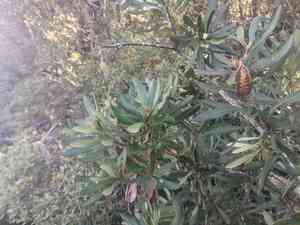
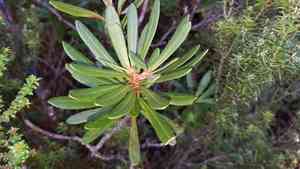
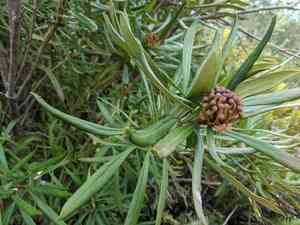
Quickly Identify Tasmanian waratah
1
Telopea truncata can be identified by its large, vibrant red flower heads, dark green, glossy, serrated leaves, and its upright growth habit. The plant typically grows in well-drained soils and prefers a cool, temperate climate.
Scientific Classification of Tasmanian waratah
Phylum
Vascular plants
Class
Dicotyledons
Order
Proteales
Family
Protea
Genus
Waratahs
Species
Tasmanian waratah
Planting and Growing of Tasmanian waratah
Care Difficulty
Hard
Watering Schedule
Every 3 days
Sunlight Requirements
Full sun
Sunshine Duration
6-12 hours
Ideal Temperature
50-68℉
Soil Type
Potting Mix, Peat Mix
Soil pH
5-6.5
Fertilizer Type
Balanced
Pruning Season
Spring, Summer
Pruning Area
Branches, Leaves
Pruning Frequency
2 times a year
Repotting Season
Spring
Pot Type
Plastic, Ceramic
 How to Water Tasmanian waratah?
The ideal watering amount for Telopea truncata is approximately 500 ml per session. It is crucial to ensure that the water reaches the root zone but does not lead to waterlogging. Water the plant until the soil is evenly moist, and allow excess water to drain away.
What are the symptoms of an underwatered Tasmanian waratah?
›
What should I do if my Tasmanian waratah is not getting enough water?
›
What are the symptoms of an overwatered Tasmanian waratah?
›
How to save an overwatered Tasmanian waratah?
›
 What Are the Sunlight Requirements for Tasmanian waratah?
Telopea truncata thrives in full sun areas. Ideal light ensures vibrant flower production and strengthens the plant's overall health, making it more resilient to environmental stresses.
How much sunlight does Telopea truncata need daily?
›
What are the best solutions for securing ideal sunlight?
›
What benefits does ideal sunlight have?
›
 What Is the Ideal Temperature Range for Tasmanian waratah?
The ideal temperature range for Telopea truncata, commonly known as the Tasmanian waratah, is 50 to 68°F. Maintaining this range ensures optimal growth and flowering. Temperatures within this range provide suitable conditions for physiological processes such as photosynthesis and nutrient uptake.
 What Soil is Best for Tasmanian waratah?
Telopea truncata thrives in well-drained soil that prevents waterlogging, crucial for root health and plant vigor. A soil rich in organic matter supports robust growth and vibrant blossoms by providing essential nutrients. Maintaining consistent soil moisture helps in preventing drought stress, ensuring the plant's natural beauty and longevity.
 How to Fertilize Tasmanian waratah?
For Telopea truncata, use a balanced liquid fertilizer, such as a 10-10-10, at half strength to avoid burning the roots. Be cautious with the amount, typically around 250 ml per application per plant, ensuring the soil is moist before applying.
 How to Prune Tasmanian waratah?
Avoid pruning during extreme temperatures, either too hot in summer or too cold in winter, to minimize stress on the plant. Perform heavy pruning in late winter, just before the spring growth spurt, to invigorate the plant. Use a clean, sharp saw for thicker branches to ensure a clean cut. Always wear gloves when pruning Telopea truncata to protect your hands from thorns and possible skin irritation. Be mindful of your footing, especially if climbing or working on a ladder, to prevent accidents. Clean pruning tools before and after each session to prevent disease spread.
More About Pruning Techniques→
 How to Propagate Tasmanian waratah plant?
1
Start by collecting ripe seeds from a mature Telopea truncata. Clean the seeds by removing any pulp and then dry them completely. Store the seeds in a cool, dry place until you're ready to plant them. Before sowing, soak the seeds in water for 24 hours to encourage germination.
2
Select healthy stems that are at least 10-15 cm long for cuttings. Make a diagonal cut just below a node. Dip the cut end in rooting hormone powder, then plant it in a pot filled with a well-draining potting mix. Firmly press the soil around the cutting to ensure stability.
3
Maintain high humidity around the cuttings by covering them with a plastic dome or placing them in a propagation tray with a lid. Provide indirect sunlight and maintain temperatures between 18-24°C. Keep the soil consistently moist but not waterlogged. Monitor for root development over the next 6-8 weeks.
 How to Repot Tasmanian waratah plant?
1
Telopea truncata shows signs like roots protruding from drainage holes, soil compactness, or poor drainage to indicate the need for repotting. Generally, repot during Spring, Summer, or Autumn for optimal growth.
2
Choose a pot 1-2 inches larger in diameter than the current one to allow sufficient room for root growth. Ensure it has proper drainage holes to prevent waterlogging, which this species is particularly susceptible to.
3
Use a well-draining acidic soil mix. This helps maintain the necessary moisture levels while providing adequate aeration. A properly selected soil mix aids in preventing root rot and promotes healthy growth.
Learn More About Tasmanian waratah Diseases
Anthracnose
Bacterial Leaf Spot
Bacterial Soft Rot
Crown Gall
Damping-off
Downy Mildew
Drought Stress
Fusarium Wilt
Gray Mold
Leaf Curl
Leaf Spot
Mosaic
Nutrient Deficiency
Nutrient Toxicity
Powdery Mildew
Root Rot
Root-knot Nematode
Rusts
Sooty Mold
Spider Mites
Temperature Stress
Thrips Damage
White Mold



