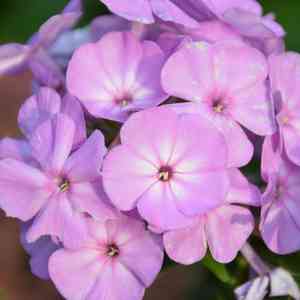
Wand woollystar (Eriastrum virgatum)
Also known as: Fleabane, Little Desert Star
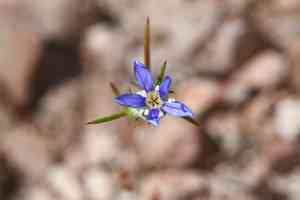
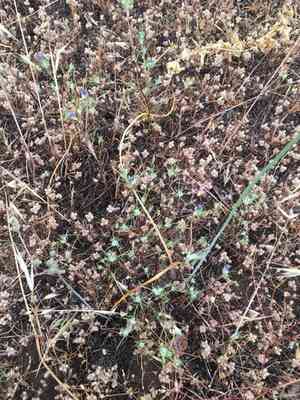
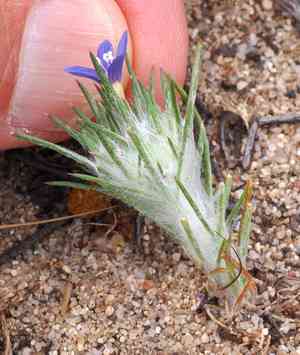
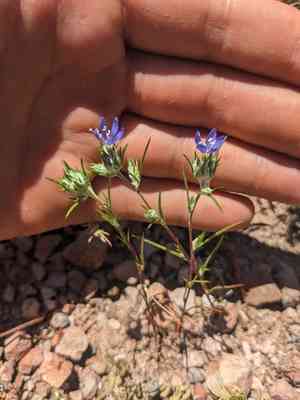
The wand woollystar (Eriastrum densifolium) is a perennial herb notable for its upright, slender structure. It features thin, linear leaves and elongated, wand-like stems. Flourishing in arid environments, it showcases clusters of small, tubular blue or white flowers that stand out against its woolly, greenish stems. The plant's vibrant blooms and graceful appearance attract numerous pollinators, making it a prominent feature in its native dry habitats.
In This Article
Attributes of Wand woollystar
Lifespan
Annual
Plant Type
Herb
Plant Height
15-30 cm
Spread
5-10 cm
Leaf Color
Green
Flower Size
1-3 cm
Flower Color
Blue, White
Images of Wand woollystar
Quickly Identify Wand woollystar
1
Eriastrum virgatum can be identified by its delicate, star-shaped flowers and narrow, thread-like leaves. The flowers are usually blue or white and have a feathery appearance.
Scientific Classification of Wand woollystar
Phylum
Vascular plants
Class
Dicotyledons
Order
Ericales
Family
Phlox
Genus
Woollystars
Species
Wand woollystar
Planting and Growing of Wand woollystar
Care Difficulty
Moderate
Watering Schedule
Every 2 days
Sunlight Requirements
Full sun
Sunshine Duration
10-12 hours
Ideal Temperature
65-75℉
Soil Type
Potting Mix, Peat Mix
Soil pH
6.5-7.5
Fertilizer Type
Balanced
Pruning Season
Spring, Summer
Pruning Area
Branches, Leaves
Pruning Frequency
2 times a year
Repotting Season
Spring
Pot Type
Plastic, Ceramic
 How to Water Wand woollystar?
Eriastrum virgatum prefers to be watered deeply yet infrequently. Water this plant with about 250 milliliters each time, ensuring the soil is thoroughly moistened but not waterlogged. The goal is to mimic its natural habitat where it experiences rainfall that soaks the ground but allows it to dry out shortly after.
What are the symptoms of an underwatered Wand woollystar?
›
What should I do if my Wand woollystar is not getting enough water?
›
What are the symptoms of an overwatered Wand woollystar?
›
How to save an overwatered Wand woollystar?
›
 What Are the Sunlight Requirements for Wand woollystar?
Partial to full sun exposure best suits Eriastrum virgatum, optimizing its growth potential by balancing prolonged light exposure with necessary rest periods for health and vigor.
Optimal Light Intensity
›
Positioning for Light Acquisition
›
Avoiding Light Stress
›
 What Is the Ideal Temperature Range for Wand woollystar?
The ideal temperature for Eriastrum virgatum growth ranges from 65°F to 75°F. This temperature range provides optimal conditions for the plant's metabolic activities, promoting robust growth and vibrant blooms. It's essential to maintain this range consistently to avoid stress and potential damage.
 What Soil is Best for Wand woollystar?
Eriastrum virgatum thrives in well-draining soils, essential for preventing root rot by allowing excess water to quickly flow away, benefiting the plant by keeping its roots dry and healthy. This plant is adapted to relatively nutrient-poor soils, which encourages its growth by reducing competitors that thrive in richer soils, thus facilitating healthy development. Having soil that can retain some moisture without becoming waterlogged is critical for this plant. This condition maintains its hydration needs, promoting optimal growth while preventing overly wet roots.
 How to Fertilize Wand woollystar?
For Eriastrum virgatum, a careful balance in fertilization is crucial. Use a diluted liquid fertilizer at half strength, typically applied bi-weekly during the growing season. For solid fertilizers, a small amount should be evenly distributed around the base of the plant annually, ensuring not to overwhelm its delicate root system.
 How to Prune Wand woollystar?
Begin by using clean, sharp shears to cut back any dead or damaged stems. Next, shape the plant by trimming excess growth to maintain its natural form. Remove any overlapping branches to improve air circulation, and ensure to snip just above a leaf node to encourage new growth.
More About Pruning Techniques→
 How to Propagate Wand woollystar plant?
1
Choose high-quality seeds from a reputable source. Ensure the seeds are fresh and have a high germination rate to increase the likelihood of successful propagation.
2
Fill seed trays with potting mix and moisten slightly. Sow seeds evenly over the surface and cover them lightly with additional potting mix to a depth of about three times the size of the seed.
3
Place trays in a warm, bright location, but out of direct sunlight. Maintain consistent moisture without overwatering. Seeds should begin to germinate within a few weeks.
 How to Repot Wand woollystar plant?
1
Repotting Eriastrum virgatum is best done when you notice that the plant has outgrown its current container, often signaled by roots growing through drainage holes or becoming root-bound. This typically occurs every 2-3 years.
2
Select a pot that is slightly larger than the current one, ensuring it has adequate drainage holes. A pot that is too large can lead to overwatering issues, while a well-fitting pot supports healthy root expansion.
3
Use a well-draining sandy soil mix to ensure excess water drains effectively, preventing root rot. The mixture should emulate a desert-like environment, promoting proper aeration and moisture control.
Learn More About Wand woollystar Diseases
Bacterial Leaf Spot
Bacterial Wilt
Chemical Injury
Crown Gall
Cyst Nematode
Damping-off
Downy Mildew
Drought Stress
Fusarium Wilt
Gray Mold
Leaf Spot
Mosaic
Nutrient Deficiency
Nutrient Toxicity
Powdery Mildew
Root Rot
Root-knot Nematode
Rusts
Sooty Mold
Spider Mites
Temperature Stress
Thrips Damage
White Mold


