Matchbox bean(Entada phaseoloides)

Matchbox bean (Entada phaseoloides)

Also known as: Sea bean, Nickerbean

The Matchbox bean (Entada phaseoloides), a tropical legume, is known for its unique properties and uses. Here’s a brief overview:

**Characteristics**:
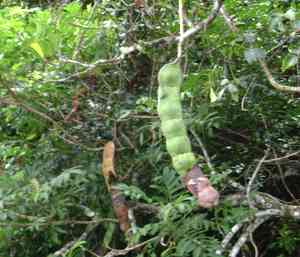
1. **Seed Pods**: Extremely large, reaching up to 1.8 meters in length.
2. **Seeds**: Each pod contains 10-20 large, buoyant seeds.
3. **Saponins**: The plant is rich in saponins, which can create a natural soapy lather when mixed with water.

**Uses**:
1. **Natural Soap**: Due to its high saponin content, it can be used as a natural soap.
2. **Seed Dispersal**: The buoyant seeds are often carried by ocean currents, aiding in their wide dispersal.
3. **Traditional Uses**: In some cultures, parts of the plant are used in traditional treatments and various practical applications.

This plant is notable both for its impressive seed pods and its ability to serve as a natural soap, making it valuable in various cultural contexts.

Attributes of Matchbox bean

Lifespan
Perennial
Plant Type
Vine
Plant Height
30 m
Spread
2 m
Leaf Color
Green
Flower Size
2.5 cm
Flower Color
Yellow Green Red

ForwardPlant - Identify plants with a snap

Identify and diagnose plants, get toxicity alerts, and explore safety guides for all types of fungi.

Try for Free

Images of Matchbox bean

Matchbox bean(Entada phaseoloides)

Quickly Identify Matchbox bean

1
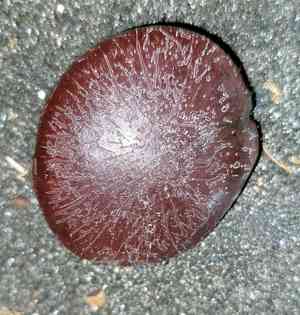
Look for long, woody seed pods that can grow up to 1.5 meters long. The seeds are large, glossy, and brown, often used in traditional crafts.

Scientific Classification of Matchbox bean

Phylum
Vascular plants
Class
Dicotyledons
Order
Fabales
Family
Legume
Genus
Entada
Species
Matchbox bean

Planting and Growing of Matchbox bean

Care Difficulty
Easy
Watering Schedule
Every 4 days
Sunlight Requirements
Partial sun
Sunshine Duration
6-10 hours
Ideal Temperature
75-86℉
Soil Type
Potting Mix, Peat Mix
Soil pH
6.5-7.5
Fertilizer Type
Balanced
Pruning Season
Spring, Summer
Pruning Area
Branches, Leaves
Pruning Frequency
2 times a year
Repotting Season
Spring
Pot Type
Plastic, Ceramic

water icon How to Water Matchbox bean?

Entada phaseoloides requires a consistent watering amount of about 500 milliliters per session, ensuring that the soil is thoroughly moistened but not waterlogged. This aids in maintaining optimal soil moisture without causing root rot, while effectively allowing the water to reach deep into the soil, ensuring all roots are adequately nourished.
What are the symptoms of an underwatered Matchbox bean?
What should I do if my Matchbox bean is not getting enough water?
What are the symptoms of an overwatered Matchbox bean?
How to save an overwatered Matchbox bean?

sunlight icon What Are the Sunlight Requirements for Matchbox bean?

Sunlight Requirements: Partial sun, Full sun
Duration of light: 4-6 hours daily
Entada phaseoloides performs best in partial to full sun. The ideal lighting encourages lush growth, vibrant foliage, and prolific flowering if applicable. Optimal light fosters maximum photosynthesizing potential.
How much sunlight does Entada phaseoloides need?
Why is this sunlight exposure important?
What can you do to achieve ideal lighting conditions?
More About Sunlight Requirements Techniques

temperature icon What Is the Ideal Temperature Range for Matchbox bean?

Ideal Temperature: 75 ~ 86℉
The ideal temperature range of 75°F to 86°F supports optimal growth and health for Entada phaseoloides. It ensures the plant can photosynthesize efficiently and maintain metabolic processes without stress, promoting vibrant foliage and flowering.

soil icon What Soil is Best for Matchbox bean?

Soil type: Loam, Sandy loam
Soil PH: 6.5 ~ 7.5
Entada phaseoloides prefers soil with good drainage to prevent waterlogging. Good drainage ensures that the plant roots do not suffocate and rot, promoting healthier growth. Rich in organic matter, loamy soils provide essential nutrients, fostering robust development and vibrant foliage in Entada phaseoloides. While drainage is crucial, Entada phaseoloides also thrives with some moisture retention to support sustained hydration during dry spells.

fertilize icon How to Fertilize Matchbox bean?

Fertilizer type: Balanced
Entada phaseoloides thrives with a balanced fertilizer application. Use a 10-10-10 NPK fertilizer at a rate of 1 tablespoon per gallon of water. Ensure the fertilizer is diluted to half its strength for young plants or newly potted specimens to avoid root burn.

prune icon How to Prune Matchbox bean?

Pruning Time: Spring, Summer
Begin by inspecting the plant for dead, damaged, or diseased stems and remove these right at the base. Next, identify shoots that appear too long or awkward and trim them back to a lower node to maintain a pleasing form. Regularly cutting back any tangled or crossing vines can prevent disease and encourage a more organized growth pattern. Always use sharp, clean pruning tools to make clean cuts and reduce the risk of infection. Entada phaseoloides thrives as a climbing vine. Pruning should also involve guiding the vine’s growth by trimming excess shoots that do not contribute to its overall direction. This will help promote vertical growth and enable the vine to establish itself in a balanced manner, whether you are training it on a trellis or allowing it to cascade gently. More About Pruning Techniques

propagate icon How to Propagate Matchbox bean plant?

Propagate Time: Early spring, Late spring, Early summer
1
Collect mature seeds from healthy Entada phaseoloides plants. Clean the seeds and, if necessary, scarify them to break dormancy, which aids in germination.
2
Plant the prepared seeds in a well-draining potting mix. Ensure the seeds are placed at an appropriate depth, roughly 1-2 times the diameter of the seed.
3
Select healthy, disease-free stems for cuttings. Cut a section of stem with at least three nodes and remove any lower leaves to prevent rot.
More About Propagating Techniques

repot icon How to Repot Matchbox bean plant?

Repotting frequency: Every 2-3 years
1
Repot Entada phaseoloides when you observe that roots are growing out of the drainage holes or the plant appears to be root-bound. Best to repot during its active growth in spring or early summer to minimize stress.
2
Select a pot that is only slightly larger than the previous one. This reduces root stress and allows the plant to acclimate easily to new conditions. Ensure the pot has sufficient drainage to prevent waterlogging.
3
Choose a rich, well-draining potting mix. A mix that includes peat, perlite, and organic matter will retain moisture while preventing root rot. It's essential for the healthy growth of Entada phaseoloides.

ForwardPlant - Identify plants with a snap

Find the best spots for them to optimize their health, simply using your phone.

Try for Free

Toxicity

Ingestion

Identify toxic plants for your safety

Learn which plants are harmful to you and your pets, and make informed choices for a safer home!

Try for Free
WARNING
The judgment on toxicity and danger is for reference only. We DO NOT GUARANTEE any accuracy of such judgment. Therefore, you SHALL NOT rely on such judgment. It is IMPORTANT TO SEEK PROFESSIONAL ADVICE in advance when necessary.