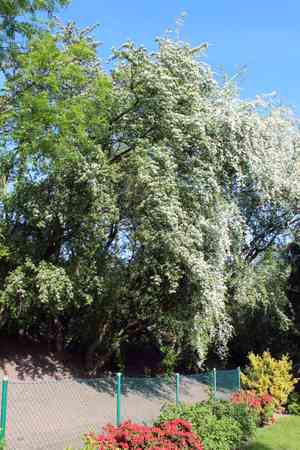
Hawthorns (Crataegus) (Crataegus)
Also known as: Hawberry, Thornapple, Mayflower
Hawthorns play a crucial role in maintaining healthy ecosystems through their flowers and fruit. The berries serve as a vital food source for birds and mammals, while the dense branches provide secure habitats for various animals. Their blossoms attract pollinators, which subsequently draw in other insect-eating species, enhancing biodiversity and ecological balance.
In This Article
Attributes of Hawthorns (Crataegus)
Lifespan
Perennial
Plant Height
5 m
Spread
4 m
Leaf Color
Dark green
Flower Size
1 to 2 centimeters
Flower Color
White
Images of Hawthorns (Crataegus)


Quickly Identify Hawthorns (Crataegus)
1
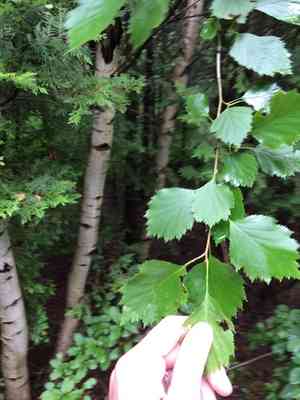
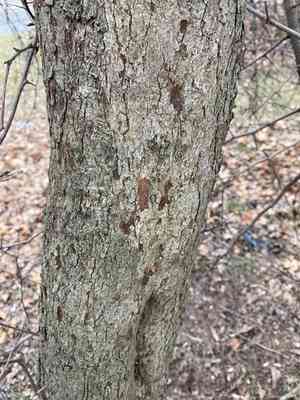
Hawthorns are identifiable by their small, lobed leaves, thorny branches, and clusters of small, apple-like fruits called haws. The flowers are typically small and white, appearing in clusters in the spring. The bark is usually gray and rough with age.
Scientific Classification of Hawthorns (Crataegus)
Phylum
Magnoliophyta
Class
Magnoliopsida
Order
Rosales
Family
Rosaceae
Genus
Crataegus
Planting and Growing of Hawthorns (Crataegus)
Care Difficulty
Easy
Watering Schedule
Every 4 days
Sunlight Requirements
Full sun
Sunshine Duration
4-8 hours
Ideal Temperature
50-75℉
Soil Type
Potting Mix, Peat Mix
Soil pH
6-7.5
Fertilizer Type
Balanced
Pruning Season
Spring, Summer
Pruning Area
Branches, Leaves
Pruning Frequency
2 times a year
Repotting Season
Spring
Pot Type
Plastic, Ceramic
 How to Water Hawthorns (Crataegus)?
When watering Crataegus, aim to provide approximately 500 milliliters per session, allowing the water to soak deeply into the soil. This encourages the roots to grow deeper and strengthens the plant's resilience against drought. Ensure that the soil is moist but not waterlogged to maintain the plant's health.
What are the symptoms of an underwatered Hawthorns (Crataegus)?
›
What should I do if my Hawthorns (Crataegus) is not getting enough water?
›
What are the symptoms of an overwatered Hawthorns (Crataegus)?
›
How to save an overwatered Hawthorns (Crataegus)?
›
 What Are the Sunlight Requirements for Hawthorns (Crataegus)?
Crataegus thrives best with full sun for six to eight hours but benefits from afternoon shade. This exposure enhances flowering, strengthens stems, and improves the plant's overall durability and health.
What is the ideal lighting for Crataegus?
›
How to achieve this ideal lighting?
›
What are the benefits of ideal lighting for Crataegus?
›
 What Is the Ideal Temperature Range for Hawthorns (Crataegus)?
The ideal temperature range for Crataegus, also known as hawthorn, is between 50°F and 75°F. Within this range, the plant can effectively photosynthesize, grow, and produce healthy foliage and fruit. This temperature allows for optimal metabolic activities within the plant cells, ensuring healthy growth and development.
 What Soil is Best for Hawthorns (Crataegus)?
Crataegus thrives best in well-draining soil as it prevents waterlogging, which can cause root rot. Well-draining soil ensures roots can access oxygen, promoting heartier growth and a more robust flowering potential. Providing Crataegus with nutrient-rich soil enhances its overall health. The presence of essential nutrients supports lush leaf production and vigorous flowering, allowing the plant to display its full foliage potential. Soil that retains moderate moisture is ideal for Crataegus to sustainably access water without the risk of drying out. This balance ensures steady growth and vitality, particularly during the hot summer months.
 How to Fertilize Hawthorns (Crataegus)?
For Crataegus, it's important to use moderate amounts of fertilizer. Typically, use a balanced 10-10-10 liquid fertilizer diluted at half strength. Apply around 1 liter of this solution per plant during active growth periods to ensure healthy foliage and blooms.
 How to Prune Hawthorns (Crataegus)?
Begin pruning Crataegus by identifying any dead, damaged, or diseased wood and removing it with clean, sharp pruning shears. This will not only maintain healthy growth but also prevent the spread of potential diseases. Next, focus on thinning out areas where branches are too dense, pruning branches that cross or rub against each other, as these can cause wounds that invite pests and disease. Aim to open up the center of the tree, allowing sunlight and air to circulate more freely, which promotes better flowering and overall plant vigor.
 How to Propagate Hawthorns (Crataegus) plant?
1
To grow Crataegus from seed, collect seeds from ripe hawthorn berries in late summer. Clean and stratify the seeds by placing them in moist sand in the fridge for several weeks.
2
Select healthy, semi-hardwood branches in early spring. Cut sections of approximately 15 centimeters and strip the lower leaves before applying rooting hormone.
3
Grafting is a skillful technique used for specific Crataegus varieties. Perform cleft or whip grafts in early spring for the best success rate.
 How to Repot Hawthorns (Crataegus) plant?
1
Crataegus needs repotting when its roots start emerging from the drainage holes or when growth seems hindered despite proper care. Spring and autumn are ideal seasons as these times offer mild conditions that allow the plant to recover swiftly from the stress of transplanting.
2
Select a pot that's one size larger than the current one, ideally made of terracotta, which provides better aeration and moisture control. This ensures enough space for root expansion and helps prevent waterlogging, promoting a healthier root system.
3
Opt for well-drained loamy soil mixed with organic compost. This choice provides a nutrient-rich environment that encourages robust growth. The loamy texture ensures proper water retention while avoiding the risk of overwatering, which can lead to root rot.

