Coriandrum (Coriandrum) (Coriandrum)
Also known as: Cilantro, Chinese parsley
The Coriandrum genus includes the well-known herb Coriandrum sativum, commonly referred to as coriander or cilantro. This herb is essential in many global cuisines. In cooking, the most frequently utilized parts are the leaves (cilantro) and seeds (coriander seeds), though the roots are also edible and used in some dishes. Each part offers distinct flavors, contributing uniquely to a variety of recipes.
In This Article
Attributes of Coriandrum (Coriandrum)
Lifespan
Annual
Plant Height
30 to 50 cm
Spread
30 to 50 cm
Leaf Color
Bright Green
Flower Size
3 to 5 mm
Flower Color
White or Pinkish
Images of Coriandrum (Coriandrum)
Quickly Identify Coriandrum (Coriandrum)
1
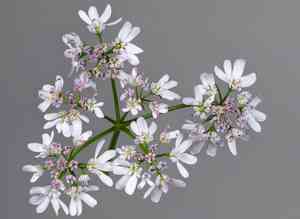
Coriandrum can be identified by its bright green, feathery leaves that resemble those of parsley. The plant also produces small, white or pinkish flowers in umbels and round, beige seeds.
Scientific Classification of Coriandrum (Coriandrum)
Phylum
Magnoliophyta
Class
Magnoliopsida
Order
Apiales
Family
Apiaceae
Genus
Coriandrum
Planting and Growing of Coriandrum (Coriandrum)
Care Difficulty
Easy
Watering Schedule
Every 8 days
Sunlight Requirements
Full sun
Sunshine Duration
4-8 hours
Ideal Temperature
70-75℉
Soil Type
Potting Mix, Peat Mix
Soil pH
6.2-7.8
Fertilizer Type
Balanced
Pruning Season
Spring, Summer
Pruning Area
Branches, Leaves
Pruning Frequency
2 times a year
Repotting Season
Spring
Pot Type
Plastic, Ceramic
 How to Water Coriandrum (Coriandrum)?
Coriandrum, commonly known as coriander or cilantro, requires moderate watering. The goal is to keep the soil consistently moist without it becoming waterlogged. Each watering should penetrate the root zone adequately, usually around 250 ml, ensuring the water reaches deep enough to hydrate the roots efficiently.
What are the symptoms of an underwatered Coriandrum (Coriandrum)?
›
What should I do if my Coriandrum (Coriandrum) is not getting enough water?
›
What are the symptoms of an overwatered Coriandrum (Coriandrum)?
›
How to save an overwatered Coriandrum (Coriandrum)?
›
 What Are the Sunlight Requirements for Coriandrum (Coriandrum)?
Coriandrum flourishes best in conditions of full to partial sun. Ensuring the plant receives this ideal light range aids in maintaining its vitality, encourages fuller growth, and enhances its flavor profile, crucial for culinary uses.
Why does Coriandrum need ample sunlight?
›
Solutions for optimal sunlight exposure
›
Advantages of ideal sunlight conditions for Coriandrum
›
 What Is the Ideal Temperature Range for Coriandrum (Coriandrum)?
For Coriandrum, the optimal temperature range is between 70 and 75°F. This range ensures that the plant can photosynthesize efficiently and maintain healthy growth rates. Keeping the temperature within this range supports strong foliage development and maximizes essential oil production.
 What Soil is Best for Coriandrum (Coriandrum)?
Coriandrum thrives in nutrient-rich soil that is well-draining yet retains enough moisture to support healthy growth. Fertile soils provide essential nutrients, enhancing the plant's aromatic foliage and seed production. Adequate moisture retention is crucial for Coriandrum to prevent the soil from drying out. Moisture retention ensures consistent growth, helping to prevent bolting and maintain a robust flavor profile. To avoid root rot and other fungal diseases, Coriandrum benefits from soil with excellent drainage. This promotes root aeration and reduces the risk of waterlogging, which can damage plant health.
 How to Fertilize Coriandrum (Coriandrum)?
Coriandrum, commonly known as cilantro, prefers light feeding, especially during its growth season. Use a balanced liquid fertilizer diluted to half strength and apply evenly across the soil surface to avoid root damage. Ensure the soil is moist but not soggy, as excess moisture can lead to nutrient leaching, reducing the plant's uptake efficiency.
 How to Prune Coriandrum (Coriandrum)?
Use scissors or pruning shears to clip the topmost stems of the coriander plant gently. Always cut above a leaf node to encourage new branches to sprout. Regularly removing flower buds can extend the vegetative phase of coriander, delaying its progression to seed formation. Keep an eye out for yellowing or wilting leaves. Trim these parts back to the base to maintain good plant hygiene and prevent any potential disease spread. This process helps improve the overall appearance and health of your coriander plant.
 How to Propagate Coriandrum (Coriandrum) plant?
1
Fill your seed tray with a good quality seed-starting mix. Lightly moisten the soil before sowing. This ensures a hospitable environment for the seeds to germinate and helps prevent seed displacement.
2
Sprinkle the coriander seeds evenly across the surface. Cover them with a thin layer of soil mix, about 0.5 cm deep, and lightly press down. This covering gives the seeds the darkness they need to germinate.
3
Position the seed tray in a warm, light-filled area, but away from direct sunlight. The warmth will aid germination, which typically occurs within 1-2 weeks under optimal conditions.
 How to Repot Coriandrum (Coriandrum) plant?
1
Coriandrum shows it's time for a new pot when its roots start growing out of the drainage holes, or the plant seems stunted despite proper care. Repotting should ideally happen when growth resumes actively, meaning spring or early summer is perfect.
2
Selecting the right pot for Coriandrum involves choosing one that is slightly larger than the current one, with good drainage holes. This ensures adequate space for growth and prevents waterlogging, which can harm the roots.
3
Opt for a well-draining potting mix to prevent water accumulation around the roots. Light, airy soils improve aeration and mimic the natural environment, promoting healthy growth and reducing the risk of root rot.

