Bitter orange(Citrus × aurantium)

Bitter orange (Citrus × aurantium)

Also known as: Seville orange, Mandarin orange, Grapefruit

The Seville orange, scientifically known as Citrus × aurantium, is often utilized as rootstock for various orange trees due to its hardiness. These trees can withstand colder climates better than sweet orange varieties and are suitable for outdoor cultivation in large containers. While the fruit and peel are notably bitter and sour, they are perfect for making marmalade.

Attributes of Bitter orange

Lifespan
Perennial
Plant Type
Shrub
Plant Height
6 m to 9 m
Spread
6 m
Leaf Color
Green
Flower Size
2 cm to 3.5 cm
Flower Color
White

ForwardPlant - Identify plants with a snap

Identify and diagnose plants, get toxicity alerts, and explore safety guides for all types of fungi.

Try for Free

Images of Bitter orange

Bitter orange(Citrus × aurantium)

Quickly Identify Bitter orange

1
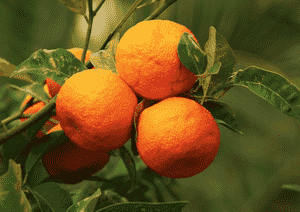
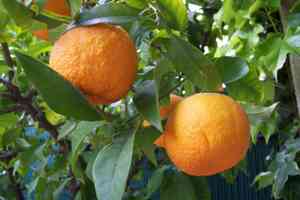
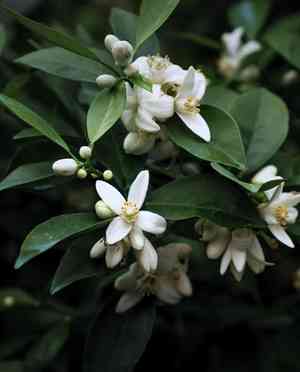
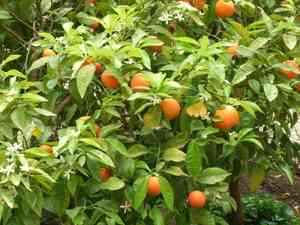
Bitter Orange can be identified by its shiny, dark green leaves, thorns on its branches, and round, textured fruits that turn bright orange when ripe. Its flowers are white and highly fragrant.

Scientific Classification of Bitter orange

Phylum
Vascular plants
Class
Dicotyledons
Order
Maples, mangos, mahogany, citrus, and allies
Family
Rue
Genus
Citrus
Species
Bitter orange

Planting and Growing of Bitter orange

Care Difficulty
Moderate
Watering Schedule
Every 3 days
Sunlight Requirements
Full sun
Sunshine Duration
4-8 hours
Ideal Temperature
68-86℉
Soil Type
Potting Mix, Peat Mix
Soil pH
6.5-7.5
Fertilizer Type
Balanced
Pruning Season
Spring, Summer
Pruning Area
Branches, Leaves
Pruning Frequency
2 times a year
Repotting Season
Spring
Pot Type
Plastic, Ceramic

water icon How to Water Bitter orange?

When watering Citrus × aurantium, ensure the soil is soaked thoroughly but not soggy, using around 500 ml per session. The goal is to moisten the top 6 to 8 inches of soil, ensuring water reaches the roots but does not pool at the base, preventing root rot.
What are the symptoms of an underwatered Bitter orange?
What should I do if my Bitter orange is not getting enough water?
What are the symptoms of an overwatered Bitter orange?
How to save an overwatered Bitter orange?
More About Watering Techniques

sunlight icon What Are the Sunlight Requirements for Bitter orange?

Sunlight Requirements: Full sun, Partial sun
Duration of light: 6 to 8 hours
Citrus × aurantium benefits from full sun with 6 to 8 hours of light. This amount stimulates robust growth and enhances fruit yield, providing the plant with necessary energy for photosynthesis and development.
How much light does Citrus × aurantium need?
What happens if Citrus × aurantium doesn't get enough light?
What are the benefits of Citrus × aurantium receiving adequate light?
More About Sunlight Requirements Techniques

temperature icon What Is the Ideal Temperature Range for Bitter orange?

Ideal Temperature: 68 ~ 86℉
The ideal temperature range for Citrus × aurantium, commonly known as bitter orange, is between 68°F and 86°F. This temperature range ensures optimal metabolic functions in the plant, supports healthy growth, and promotes successful flowering and fruiting. Maintaining temperatures within this range can lead to robust and healthy trees with a high yield of fruits.

soil icon What Soil is Best for Bitter orange?

Soil type: Loam, Sandy loam
Soil PH: 6.5 ~ 7.5
Citrus × aurantium requires well-drained soil to prevent root rot and maintain healthy growth. Well-drainage ensures excess water doesn't accumulate, thus supporting the tree's roots to breathe and access necessary nutrients. The plant thrives in a nutrient-rich soil that supports its vigorous foliage and fruit production. A balanced mix of organic matter, essential minerals, and compost provides the necessary elements for optimal growth. Soil with good aeration ensures roots receive sufficient oxygen, crucial for citrus plants' metabolic activities. Loamy and sandy loam soils offer permeability, preventing the roots from suffocation and enhancing nutrient uptake efficiency. More About Soil

fertilize icon How to Fertilize Bitter orange?

Fertilizer type: Balanced
For Citrus × aurantium, use approximately 1/2 cup (about 120 ml) of balanced citrus fertilizer per feeding. Ensure this amount is distributed evenly around the root zone. It’s crucial not to apply too much at once, as this could harm the roots. More About Fertilizing Techniques

prune icon How to Prune Bitter orange?

Pruning Time: Spring, Summer, Autumn, Winter
Ensure you have a pair of sharp, clean pruning shears to make precise cuts. This prevents damage and helps the plant heal faster. Clean your tools with alcohol to prevent disease transmission between plants. Look for dead, damaged, or diseased branches first and remove these to improve overall plant health. Also, thin out crowded branches to increase airflow and sunlight penetration, which helps prevent fungal infections. Make cuts about 1/4 inch above a healthy bud at a 45-degree angle. This technique encourages new growth. Also, make sure to trim any suckers growing at the base of the plant to redirect energy to fruitful branches. More About Pruning Techniques

propagate icon How to Propagate Bitter orange plant?

Propagate Time: Early spring, Late spring, Early summer
1
Collect seeds from mature Citrus × aurantium fruit, clean off any residual pulp, and allow them to dry for a day. Soak the seeds in water overnight to enhance germination success. This step is crucial to ensure healthy seedling development.
2
Select a healthy branch with several nodes; cut a 4-6 inch section. Remove lower leaves and dip the end in rooting hormone before placing it in a well-draining soil mix. Keep moist and warm for optimal rooting.
3
Choose a healthy rootstock and scion for grafting. Ensure clean, precise cuts with your shears and securely join the two. Seal the graft with tape to maintain moisture and protect from disease, checking regularly for growth success.
More About Propagating Techniques

repot icon How to Repot Bitter orange plant?

Repotting frequency: Every 2-3 years
1
Repot your Citrus × aurantium when you notice roots coming out of the drainage holes, or the plant becomes root-bound. Another sign is if the growth has noticeably slowed down, indicating it's lacking space or nutrients. Early spring and summer are perfect as active growth begins.
2
Select a pot that is about 2 inches wider in diameter than the current one. Ensure it has ample drainage holes to avoid waterlogging. A slightly roomy pot allows the roots to expand, promoting healthier growth and fruit production. Avoid going too large, as this can hinder proper root development.
3
Opt for a well-draining potting mix designed for citrus or succulents. This type of soil prevents water retention, reducing the risk of root rot. It also provides the essential nutrients and aeration that the citrus plant needs for robust growth and plentiful fruiting.
More About Repotting Techniques

ForwardPlant - Identify plants with a snap

Find the best spots for them to optimize their health, simply using your phone.

Try for Free

Toxicity of Bitter orange

Is Bitter orange toxic to cat?

The presence of psoralens and essential oils in bitter orange (Citrus × aurantium) makes this plant hazardous for cats. Symptoms such as vomiting, diarrhea, and lethargy are typically observed and can occur after ingesting any portion of the plant. Although death is rare, seeking veterinary assistance may be wise based on the severity of the symptoms.

Is Bitter orange toxic to dog?

The flowers, bark, fruit (particularly the peels), and leaves of the bitter orange plant possess a moderate level of toxicity for dogs when consumed; however, it typically requires substantial quantities to result in a medical crisis. Frequent signs of toxicity include excessive drooling, vomiting, mild lethargy, increased sensitivity to light, and diarrhea.

Identify toxic plants for your safety

Learn which plants are harmful to you and your pets, and make informed choices for a safer home!

Try for Free
WARNING
The judgment on toxicity and danger is for reference only. We DO NOT GUARANTEE any accuracy of such judgment. Therefore, you SHALL NOT rely on such judgment. It is IMPORTANT TO SEEK PROFESSIONAL ADVICE in advance when necessary.
More About Toxic Techniques