How to Prune Bitter orange?
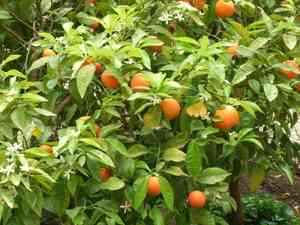
A crossbreed of citrus and pomelo, the bitter orange is recognized for its fragrant flowers and tart fruit. To achieve peak development, perform pruning in the early spring to eliminate deceased branches, sculpt the tree, and improve light exposure. Reducing crowded branches stimulates fruit development and airflow. Remove water shoots and basal sprouts to reallocate vitality. Advantages of pruning encompass enhanced plant well-being, greater output, and extended longevity. Refrain from making substantial cuts to avert stress and illnesses.
What Are the Benefits of Pruning Bitter Orange?
What Are the Benefits of Pruning Bitter Orange?
Trimming bitter orange is crucial for stimulating a more plentiful yield, ensuring the plant thrives robustly. It also aids in maintaining its desired form, enhancing its visual appeal and facilitating sunlight penetration and air circulation.
What Is the Best Time for Pruning Bitter Orange?
What Is the Best Time for Pruning Bitter Orange?
Pruning bitter orange in early spring is considered ideal, as this occurs right after the last frost when the plant is still dormant but on the verge of active growth. This timing allows bitter orange to recover quickly from pruning and direct its energy towards new growth. Pruning at this stage can also help remove any winter damage, shaping the plant for the upcoming season and potentially boosting fruit yield and quality. Pruning before bitter orange enters its most vigorous growth phase helps ensure cuts heal rapidly, reducing disease risk. Furthermore, since bitter orange flowers on new growth, early spring pruning will not significantly impact flowering and fruiting periods.
What Tools Do I Need to Prune Bitter Orange?
Hand Pruners
Perfect for cutting branches less than 3/4 inch thick on bitter orange, ensuring clean cuts that encourage healthy regrowth.
Loppers
Most suitable for reaching higher or deeper into bitter orange's canopy and cutting branches up to 1 1/2 inches in diameter, providing leverage and extended reach.
Pruning Saw
Essential for removing bitter orange's larger branches over 1 1/2 inches in diameter, ensuring a clean cut without harming the tree.
Hedge Shears
Useful for shaping bitter orange's outer foliage and maintaining dense hedges, allowing for even, straight cuts.
Pole Pruner
Crucial for reaching bitter orange's taller branches without a ladder, combining the advantages of loppers and a saw on an extendable pole.
How to Prune Bitter Orange
Step1: Identification of Unhealthy Plant Parts
Thoroughly inspect bitter orange to identify all dead wood, diseased branches, and broken limbs. This should be done during dormancy or early spring to minimize plant stress.
Step2: Tool Sterilization
Sanitize your pruning tools with alcohol or a bleach solution to prevent disease spread. This is important before starting and between cuts, especially when moving from diseased to healthy branches.
Step3: Dead Wood Removal
Begin by removing any identified dead wood. Make cuts at a 45-degree angle, approximately 1/4 inch above a live bud or branch, ensuring the lowest point of the cut is opposite the bud and angled away from it for proper water runoff.
Step4: Eliminating Diseased Branches
Next, prune out any diseased branches. Make cuts at least 6 inches into healthy wood beyond the diseased area to ensure all infected material is removed.
Step5: Broken Limb Trimming
Cleanly cut away broken limbs, leaving no jagged edges. Make your cuts just above a node or a lateral branch facing the desired new growth direction to promote a healthy plant shape.
Step6: Thinning for Air and Light
Shape bitter orange by selectively thinning crowded areas to improve air circulation and light penetration. Remove crossing or rubbing branches, which can create wounds and potential entry points for pests and diseases.
Step7: Sucker and Water Sprout Removal
Check for suckers and water sprouts, which are vigorous vertical shoots, and remove them by cutting them at their base. These shoots can deplete energy from the more productive parts of bitter orange.
Step8: Pruning Debris Cleanup
Clean up all pruning debris around bitter orange to prevent any disease or pests harbored in the cuttings from re-infecting your plant.
Step9: Application of Wound Sealant
Apply a wound sealant to larger cuts to protect against diseases and pests.
Step10: Post-Pruning Watering and Fertilization
Water bitter orange deeply after pruning to help reduce stress and encourage recovery. If desired, follow up with a balanced fertilizer application to support new growth.
Post-Pruning Care for Bitter Orange
Post-Pruning Care for Bitter Orange
Immediately after pruning bitter orange, water thoroughly to alleviate stress. Maintain a warm environment with high humidity and indirect sunlight to prevent shock. Introduce balanced fertilizer, promoting recovery and growth without overfeeding, which can lead to disease vulnerability. Regularly inspect pruned areas for signs of infection; oozing and discoloration warrant fungicide application. Monitor water intake and adjust to encourage strong root development while preventing root rot.
Common Pruning Mistakes with Bitter Orange
Unsanitized Pruning Tools Spread Diseases
A common error is failing to sanitize pruning tools, which can lead to the spread of disease to bitter orange.
Overpruning Stresses and Hinders Growth
Excessive pruning, or removing too much foliage at once, can stress bitter orange, impeding its growth and fruit production.
Improper Cut Placement Can Damage Plants
Making cuts too close or too far from the bud can result in plant damage or undesirable growth.
Neglecting Dead or Diseased Branches
Ignoring dead, diseased, or crossing branches during pruning can compromise the overall health of bitter orange.
Disregarding Plant's Natural Shape in Pruning
Failing to consider the natural shape and growth habit of bitter orange when pruning can result in an unbalanced and less productive tree.
Common Pruning Tips for Bitter Orange
Sterilize Tools to Prevent Disease in Plants
Sterilize all pruning tools before use to prevent the spread of pests and diseases to bitter orange.
Prune Dead Wood and Thin for Light and Air
Prune strategically, focusing on removing only dead or diseased wood and thinning out dense areas to allow light and air to penetrate the canopy.
Clean Cuts at 45-Degree Angle Above Buds
Make clean cuts at a 45-degree angle approximately 1/4 inch above an outward-facing bud to encourage outward growth and improve air circulation.
Maintain Spacing of Main Branches
Retain well-spaced main branches and remove any that are rubbing against each other to maintain the structural integrity of bitter orange.
Trim Suckers and Water Sprouts
Trim back any suckers or water sprouts that appear at the base or on the trunk of bitter orange, as they can drain energy from the tree.
Mulch After Pruning, Avoiding Trunk
After pruning, apply a thin layer of mulch around the base of bitter orange to aid with moisture retention and provide nutrients as it decomposes, but keep the mulch away from the trunk to avoid rot.
Focus on Balanced, Open Canopy Shape
Evaluate the overall shape and structure of bitter orange before each cut, aiming to maintain a balanced, open canopy that allows for sufficient sunlight and airflow.



