Boost Growth: How and When to Repot Your Bitter orange Plant
1
Transplanting your Bitter orange during spring or winter allows for optimal acclimation to its new surroundings.
2
Select a container approximately 2-3 inches (5-7 cm) wider than the existing one to accommodate plant expansion.
3
A soil blend that drains effectively prevents root decay and encourages robust development.
Why Replant Bitter Orange?
Understanding the growth pattern of Bitter orange
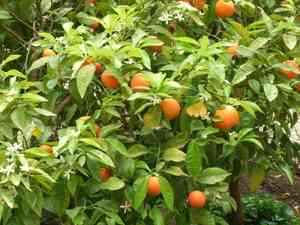
The Bitter orange tree, recognized for its fragrant white blooms and vibrant orange fruits, typically undergoes a gradual yet consistent growth cycle. As it matures, its root system expands, necessitating periodic replanting to accommodate its increasing size. This citrus plant benefits from being moved to a new pot every 2-3 years to ensure its continued health and production of lush foliage and fruits.
Indicators that suggest it's time for a new pot
Several signs indicate your Bitter orange requires replanting. If you observe roots emerging from the drainage holes, it's a clear sign the plant has outgrown its current container. Additionally, if the soil dries out more quickly than usual or the plant appears stunted with discolored leaves, these suggest the root system is likely constricted and needs more room to develop.
Advantages of replanting for plant vitality
Replanting your Bitter orange offers numerous benefits. Fresh potting mix replenishes vital nutrients, enhancing the plant's overall well-being. It also allows for root trimming, which helps remove any diseased or dead roots, promoting efficient nutrient absorption. Furthermore, choosing a larger container provides more space for root expansion, leading to vigorous growth and improved fruit yield.
Selecting the Appropriate Container and Growing Medium
Choosing the optimal pot size and material
When selecting a new container for your Bitter orange, aim for one that is approximately 2-3 inches (5-7 cm) wider in diameter than the current pot. This additional space promotes healthy root development without overwhelming the plant. Opt for pots made of terracotta or ceramic, as these materials offer breathability and stability. Ensure the pot has sufficient drainage holes to prevent water accumulation.
Types of growing medium suitable for Bitter orange
The ideal growing medium for Bitter orange is a well-draining mix that retains adequate moisture for the roots. A blend of high-quality potting soil combined with perlite or coarse sand ensures good aeration and drainage. You can also incorporate organic compost to enrich the soil with essential nutrients, fostering healthy growth. Avoid dense garden soil as it tends to hold excessive moisture, leading to root rot.
Importance of drainage in the new container
Proper drainage is critical when replanting your Bitter orange. Without sufficient drainage, water can collect at the bottom of the pot, resulting in root rot. Use pots with drainage holes and place a layer of small stones or broken ceramics at the base to improve drainage. This simple step ensures excess water is efficiently removed, protecting the roots from becoming waterlogged.
How to Replant Bitter Orange
Preparation steps before replanting
Before you begin replanting, gather all necessary supplies such as a new pot, soil mix, gloves, and a trowel. Water the plant a day in advance to facilitate easier removal of the root ball. Gently tap the sides of the current pot to loosen the soil and roots. This preparation minimizes stress on the plant during the replanting process.
Step-by-step replanting procedure
1. Carefully remove the Bitter orange from its current container. 2. Inspect the roots and trim any dead or unhealthy ones with sterilized shears. 3. Fill the bottom of the new pot with a layer of the soil mix. 4. Position the root ball in the center of the new pot. 5. Fill in the gaps around the root ball with the soil mix, pressing down gently to eliminate air pockets. 6. Water the plant thoroughly to help it settle in its new pot.
Post-replanting care for Bitter orange
After replanting, place your Bitter orange in a bright, indirect light location. Avoid direct sunlight as the plant adjusts to its new container. Water it moderately, allowing the top inch (2.5 cm) of soil to dry out between waterings. Monitor the plant for any signs of stress, such as wilting or yellowing leaves, and adjust care as needed. Providing a stable environment will ensure your plant thrives after replanting.
Common Errors to Avoid During Replanting
Excessive watering after replanting
One of the most frequent errors is overwatering the Bitter orange immediately after replanting. The roots require time to adapt to the new soil and pot. Excessive watering can lead to root rot, a severe condition that can harm or kill the plant. Instead, water moderately and allow the soil surface to dry out slightly between waterings.
Using an unsuitable type of soil
Employing inappropriate soil can impede the growth of your Bitter orange. Dense soils that retain too much water can cause root rot, while overly sandy soils might not hold enough moisture. Adhere to a well-draining soil mix formulated for citrus plants to ensure proper nutrient balance and water retention.
Neglecting root trimming
Failing to trim the roots during replanting can lead to future issues. Overgrown or damaged roots can restrict adequate nutrient absorption. Take the time to inspect and prune back any unhealthy roots with sterilized tools. This encourages the development of healthy new roots and ensures efficient nutrient uptake.



