Optimal Soil for Growing Bitter orange: What You Need to Know
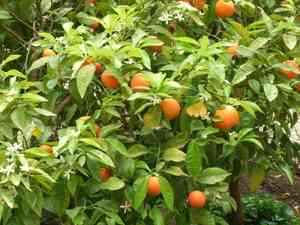
1
Bitter orange flourishes in a soil pH range of 6.5 to 7.5, making consistent monitoring and modifications vital for peak growth.
2
For root rot prevention, ensure Bitter orange is planted in adequately draining soil, like sandy loam, to prevent waterlogging.
3
Incorporating organic materials such as compost or mature manure betters soil composition, enriches nutrient levels, and promotes Bitter orange development.
Optimal Soil for Bitter orange Cultivation
Excellent Drainage
The cornerstone for a thriving Bitter orange plant is soil that drains exceptionally well. Bitter orange trees are prone to root decay, a frequent issue stemming from excessive moisture in the growing medium. Soil with good drainage facilitates easy water passage, averting waterlogging and ensuring roots aren't submerged. When planting your Bitter orange, select a site where water does not typically accumulate. If your soil is naturally dense, you can amend it with sand or gravel to enhance its drainage capabilities.
Sandy Loam Composition
Sandy loam represents the perfect soil composition for cultivating Bitter orange. This particular soil type features an even mix of sand, silt, and clay. Sandy loam offers superior drainage characteristics while still holding sufficient moisture and vital nutrients. To prepare sandy loam for your Bitter orange, combine garden soil with organic matter like compost, and incorporate a small amount of sand if needed. This balance will foster a nutrient-rich environment that promotes root health and vigorous growth.
pH Level Preferences
The soil's pH level is crucial for the health and fruiting capacity of Bitter orange. These trees flourish in soil that is slightly acidic to neutral, with an ideal pH range of 6.5 to 7.5. Soil within this pH bracket guarantees that nutrients are readily available for the plant's uptake. You can assess the soil's pH using a soil testing kit, easily found at garden centers. If adjustments are necessary, lime can be added to elevate the pH level, while sulfur can be used to reduce it.
Methods to Enhance Soil for Bitter orange Growth
Integrating Organic Material
Incorporating organic matter such as compost, well-rotted manure, or leaf mold into your soil can significantly improve its texture and fertility. Organic matter assists sandy soils in retaining moisture and enhances drainage in clay-heavy soils. Spread a layer of compost or organic material approximately 5 cm (2 inches) thick over the planting area and mix it into the top 15-20 cm (6-8 inches) of soil. This practice not only supplies essential nutrients but also supports beneficial soil microorganisms, which in turn promote healthy Bitter orange growth.
Ensuring Proper Drainage
Adequate drainage is vital to prevent water from pooling around the roots of the Bitter orange. If your garden soil is dense or clay-rich, consider constructing raised beds or mounds for planting. Raised beds elevate the root zone, providing improved drainage and maintaining root health. Furthermore, blending coarse sand or small gravel into the planting soil can also boost drainage. Avoid planting in low-lying spots where water tends to collect.
Correcting Soil pH
Adjusting the soil pH to the preferred range of 6.5 to 7.5 can be easily managed with the right approach. First, conduct a soil test to ascertain the current pH. If the soil is excessively acidic (pH below 6.5), adding ground limestone can neutralize the acidity. To make the soil less alkaline (pH above 7.5), incorporate elemental sulfur. Always adhere to the application instructions on the product label to prevent overcorrection, and retest the soil periodically to monitor pH levels and make necessary adjustments.
Typical Soil Issues and Solutions for Bitter orange
Compacted Soil and Aeration Techniques
Compacted soil restricts root development and diminishes the availability of water and nutrients. To address soil compaction, consider aeration methods such as using a garden fork or an aerator tool to create small perforations in the soil. This technique loosens the soil, allowing air, water, and nutrients to reach the roots more effectively. Adding organic matter also helps alleviate compaction over time by improving soil structure.
Nutrient Deficiencies and Soil Amendments
Insufficient nutrients in the soil can significantly impact the well-being and productivity of Bitter orange. Common deficiencies include nitrogen, phosphorus, and potassium. A soil analysis can help pinpoint specific nutrient gaps. To correct deficiencies, apply balanced fertilizers formulated for citrus trees. For instance, a 5-2-6 (N-P-K) fertilizer can supply crucial nutrients. Additionally, organic fertilizers like bone meal, blood meal, and fish emulsion can be utilized to supplement particular nutrients.
Preventing Excessive Watering
Overwatering can lead to root rot, which is highly damaging to Bitter orange trees. To avoid overwatering, ensure the soil drains efficiently, and water the plant only when the top 5 cm (2 inches) of soil feel dry to the touch. Mulching around the tree's base can help maintain soil moisture while decreasing evaporation. However, avoid piling mulch directly against the trunk to prevent excessive moisture accumulation.
Seasonal Soil Care Advice for Bitter orange
Winter Maintenance
During winter, Bitter orange trees require safeguarding from harsh conditions. Ensure the soil surrounding the tree is well-drained and not waterlogged, as frozen wet soil can harm the roots. Apply organic mulch around the base to insulate the root zone, but keep it clear of the trunk. If temperatures drop significantly, covering the tree with a frost cloth can provide additional protection.
Summer Irrigation
In summer, Bitter orange trees need consistent moisture to support growth and fruit development. Ensure that the soil remains damp but not waterlogged. Deep watering once or twice a week, as opposed to frequent shallow watering, encourages the growth of deep roots. Monitor soil moisture regularly and modify watering schedules based on weather patterns. Utilizing a drip irrigation system can offer an efficient way to deliver water directly to the root zone, minimizing evaporation.



