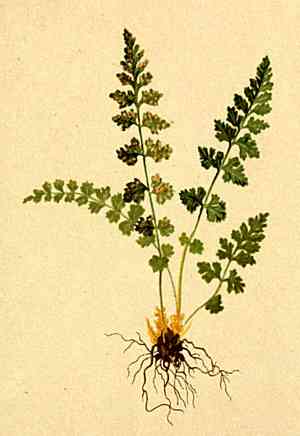
Parasitic tri-vein fern (Christella parasitica)
Also known as: Downy Maiden Fern
Christella parasitica is labeled as an invasive species and a pest due to its rapid spread, which threatens native flora. This fern's ability to quickly colonize new areas can disrupt local ecosystems and reduce biodiversity. Historically, the term had broad applications until it was more precisely defined by Christensen in 1910.
In This Article
Attributes of Parasitic tri-vein fern
Lifespan
Perennial
Plant Type
Fern
Plant Height
70 cm
Spread
40-50 cm
Leaf Color
Green
Flower Size
N/A (ferns do not produce flowers)
Flower Color
N/A (ferns do not produce flowers)
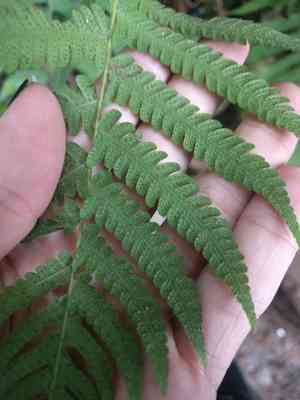
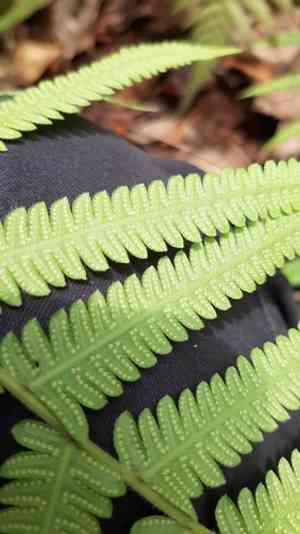
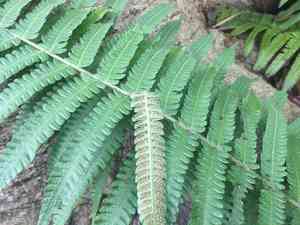
Images of Parasitic tri-vein fern
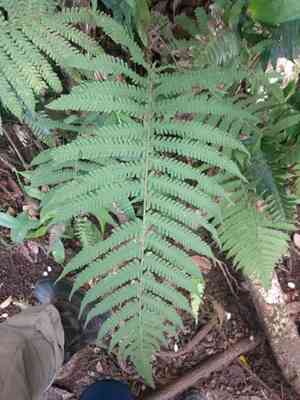
Quickly Identify Parasitic tri-vein fern
1
Christella parasitica can be identified by its finely dissected, bipinnate fronds with a downy texture. The fronds emerge in clusters from a central rhizome, and the sori are covered by a prominent indusium along the veins of the fronds.
Scientific Classification of Parasitic tri-vein fern
Phylum
Vascular plants
Class
Ferns
Order
Polypodiales
Family
Marsh fern
Genus
Christella
Species
Parasitic tri-vein fern
Planting and Growing of Parasitic tri-vein fern
Care Difficulty
Easy
Watering Schedule
Every 4 days
Sunlight Requirements
Partial sun
Sunshine Duration
4-8 hours
Ideal Temperature
65-75℉
Soil Type
Potting Mix, Peat Mix
Soil pH
6.5-7.5
Fertilizer Type
Balanced
Pruning Season
Spring, Summer
Pruning Area
Branches, Leaves
Pruning Frequency
2 times a year
Repotting Season
Spring
Pot Type
Plastic, Ceramic
 How to Water Parasitic tri-vein fern?
For Christella parasitica, aim to provide approximately 250ml of water each time you water it. The goal is to moisten the soil evenly without waterlogging it, ensuring it remains damp without any excess water pooling.
What are the symptoms of an underwatered Parasitic tri-vein fern?
›
What should I do if my Parasitic tri-vein fern is not getting enough water?
›
What are the symptoms of an overwatered Parasitic tri-vein fern?
›
How to save an overwatered Parasitic tri-vein fern?
›
 What Are the Sunlight Requirements for Parasitic tri-vein fern?
Partial sun or full shade is ideal for Christella parasitica. Balanced lighting enhances the plant's ability to photosynthesize efficiently, maintaining lush, healthy growth without leaf damage.
Solution for Ideal Light
›
Specific Measures
›
Realized Benefits
›
 What Is the Ideal Temperature Range for Parasitic tri-vein fern?
Christella parasitica thrives best in a temperature range of 65 to 75 degrees Fahrenheit. Within this range, the plant can perform its physiological functions optimally, resulting in healthy growth and higher resistance to pests and diseases.
 What Soil is Best for Parasitic tri-vein fern?
Christella parasitica thrives in well-drained soils. Ensuring good drainage protects the roots from waterlogging, which can lead to root rot. Proper drainage encourages healthy root development and nutrient uptake. While the soil should drain well, it must also maintain adequate moisture. Consistent moisture allows for lush fern growth, as these plants naturally occur in more humid, tropical environments. Providing nutrient-rich soil guarantees that Christella parasitica gets essential nutrients. This supports robust growth and vibrant foliage, key to maintaining the beauty of this fern.
 How to Fertilize Parasitic tri-vein fern?
For Christella parasitica, it's crucial to apply fertilizer carefully. Use a diluted liquid fertilizer mixed with water at a 1:4 ratio, ensuring that it provides sufficient nutrients without overwhelming the plant. Solid or slow-release fertilizers should be measured rigorously, around 200-250 grams annually, to provide a steady nutrient supply without risking over-fertilization.
 How to Prune Parasitic tri-vein fern?
Start by identifying the damaged, dead, or diseased fronds. Using clean, sharp scissors, gently remove these fronds close to the base without harming surrounding foliage. This opens up space for fresh growth. For aesthetic purposes, trim back any excessively long fronds that disrupt the plant's shape. Cut at a slight angle just above the nearest leaf junction to ensure neatness and encourage bushier growth.
More About Pruning Techniques→
 How to Propagate Parasitic tri-vein fern plant?
1
Before dividing the plant, ensure that it is healthy and well-watered. This strengthens the plant and increases the likelihood of successful propagation by improving the vitality of the divisions.
2
Carefully dig up the plant and separate the rhizomes into smaller sections, ensuring each section has a healthy root system. A clean cut with a sharp knife will minimize damage at this stage.
3
Plant each division into prepared soil, ensuring adequate spacing for growth. Water thoroughly and keep the soil moist to support root establishment and growth during the early stages.
 How to Repot Parasitic tri-vein fern plant?
1
Repot Christella parasitica when its roots start crowding the pot or when you notice water drainage issues. A good time to inspect the roots is during the active growing seasons in spring and summer. If you see roots circling the pot or emerging from the drainage holes, it's a sign your fern is ready for more space.
2
Select a new pot that's one size larger than the current one with ample drainage holes. Choosing a slightly larger pot prevents excessive soil moisture, which reduces the risk of root rot often seen in overly large containers. Materials like terracotta can also help with moisture control.
3
Opt for a well-draining potting mix rich in organic matter such as peat-based soils. This allows for good air circulation around the roots and retains the right amount of moisture. Including perlite or orchid bark can enhance drainage, ensuring the fern's roots remain healthy and vibrant.



