How to Transplant Parasitic tri-vein fern?
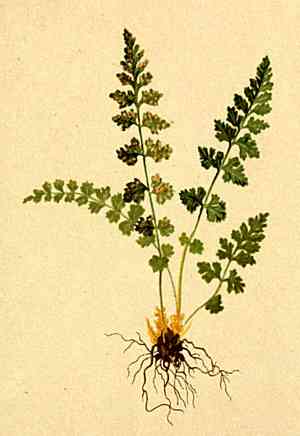
The ideal period for relocating parasitic tri-vein fern spans from the refreshing onset of early spring through the lively cusp of late spring, facilitating prime root development. Select a shaded spot that offers sufficient humidity. A helpful suggestion: handle its fragile fronds with care throughout the transfer process.
What Preparations are Needed Before Transplanting Parasitic Tri-vein Fern?
What is the Ideal Time for Transplanting Parasitic Tri-vein Fern?
Moving parasitic tri-vein fern from late winter's end to early summer, typically February through May, is optimal. This period, characterized by mild temperatures and increasing soil warmth, promotes robust root development. Therefore, relocating parasitic tri-vein fern during this window ensures a smooth transition, allowing the plant to establish itself prior to summer's heat. The gentle spring climate aids in adaptation, minimizing transplant shock and ensuring your parasitic tri-vein fern flourishes.
How Much Space Should You Leave Between Parasitic Tri-vein Fern Plants?
Greetings, aspiring gardener! When preparing a new home for your parasitic tri-vein fern, it's important to provide ample room for growth. Aim to position them 18-24 inches (45-60 cm) apart. This spacing will allow their root systems to expand freely and support vigorous development. Happy planting!
What is the Best Soil Mix for Parasitic Tri-vein Fern Transplanting?
For your parasitic tri-vein fern, a fertile, loamy soil will create an ideal foundation. Begin by incorporating a high-quality, organic compost to give your fern the best possible start. A balanced, slow-release fertilizer will sustain them over time. Remember to keep the soil consistently moist, as parasitic tri-vein fern prefers these conditions!
Where Should You Relocate Your Parasitic Tri-vein Fern?
When selecting the perfect location for your parasitic tri-vein fern, consider areas with filtered sunlight or light shade. These ferns appreciate protection from intense midday sun. A north-facing position or the cover of a larger plant can offer a comfortable setting for your parasitic tri-vein fern to thrive.
What Equipments Should You Prepare Before Transplantation Parasitic Tri-vein Fern?
Gardening Gloves
To safeguard your hands while handling soil and plants.
Shovel or Spade
For excavating the plant and preparing the new planting site.
Pruning Shears
To trim any dead or superfluous foliage before relocation.
Watering Can
For irrigating parasitic tri-vein fern following transplantation.
Wheelbarrow or Plant Cart
To move parasitic tri-vein fern from one spot to another if needed.
Gardening Trowel
For detailed work around roots or in confined areas.
Measuring Tape
To maintain appropriate spacing from other plants during transplanting.
How Do You Remove Parasitic Tri-vein Fern from the Soil?
How Do You Remove Parasitic Tri-vein Fern from the Soil?
From Ground: First, hydrate parasitic tri-vein fern to moisten the soil, making it easier to manage. Use a shovel or spade to carefully dig around parasitic tri-vein fern, taking care not to damage the root system. Gently loosen the soil around the plant, digging a wide enough circle to preserve the root ball. Once loose, carefully lift parasitic tri-vein fern from the ground, minimizing root disturbance.From Pot: Begin by watering parasitic tri-vein fern in its container, then invert the pot and tap the base to release the plant. If necessary, run a gardening trowel along the inner edge to help separate the root ball from the pot. Gently extract the plant by its base, being careful not to pull by the stems or leaves.From Seedling Tray: Water the tray to facilitate easy removal of parasitic tri-vein fern. Use a gardening trowel or your fingers to delicately extract the seedling and its root mass from the tray. Handle parasitic tri-vein fern by the root ball rather than the fragile fronds or stems.
Step-by-Step Guide for Transplanting Parasitic Tri-vein Fern
Preparation
Gather all necessary tools and confirm you have selected the appropriate site for parasitic tri-vein fern, as advised in previous sections.
Digging New Hole
Using the shovel or spade, excavate a hole that is twice the width of the root ball and equally deep. This will provide parasitic tri-vein fern ample space to establish itself in its new location.
Placement
Position parasitic tri-vein fern in the center of the new hole, ensuring it stands upright. Verify the planting depth to confirm that the top of the root ball is level with the surrounding soil surface.
Backfilling
Carefully refill the hole with soil, packing it around the root ball. Gently but firmly pat down the soil to eliminate any large air pockets.
Watering
Thoroughly water parasitic tri-vein fern immediately after transplanting to settle the soil and aid in recovery from shock. Use just enough water to moisten the soil around the root ball.
Stabilizing
If parasitic tri-vein fern is tall or in an exposed area, provide adequate support, such as a plant stake, to prevent wind damage or leaning as the roots take hold.
How Do You Care For Parasitic Tri-vein Fern After Transplanting?
Initial Care
Monitor parasitic tri-vein fern closely during the first few weeks, ensuring the soil remains moist while new roots develop.
Mulching
Apply a layer of mulch around parasitic tri-vein fern to help retain moisture, suppress weeds, and regulate soil temperature, keeping a slight distance from the stem to prevent rot.
Regular Check-ups
Inspect parasitic tri-vein fern regularly for indications of transplant shock, such as wilting leaves or discolored fronds, and address any issues promptly.
Pruning
Remove any dead or damaged fronds to direct the plant's energy towards developing new growth and roots.
Troubleshooting Common Issues with Parasitic Tri-vein Fern Transplantation.
Why is my parasitic tri-vein fern not thriving after transplant?
Ensure it was transplanted during the optimal period from early spring's awakening to late spring's gentle warmth. Also, confirm that your parasitic tri-vein fern is spaced approximately 18-24 inches (46-61 cm) apart to allow sufficient room for establishment.
Can I transplant parasitic tri-vein fern during summer or fall?
The ideal time to relocate parasitic tri-vein fern is when temperatures begin to rise in early spring until they are pleasantly mild in late spring, as this allows the plant to establish before extreme weather conditions.
My parasitic tri-vein fern looks wilted post transplant. What should I do?
Wilted leaves can result from transplant shock. Provide your parasitic tri-vein fern with consistent moisture without overwatering, and shield it from intense sunlight for a few days.
How deep should I plant my parasitic tri-vein fern?
When transplanting, dig a hole as deep as the root ball and twice its width. Aim for the plant to be positioned at the same depth it was previously.
Is it necessary to prune parasitic tri-vein fern before transplanting?
Trimming back excessive growth can help your parasitic tri-vein fern focus its energy on root development. Prune sparingly and maintain the main structure for optimal results.
How do I know if my parasitic tri-vein fern has enough water after transplant?
Your parasitic tri-vein fern should be kept consistently moist. Check the soil an inch (2.5 cm) deep; if it feels dry, it's time to water. Avoid saturating the soil.
Should I fertilize parasitic tri-vein fern after transplanting?
Delay fertilizing your parasitic tri-vein fern to prevent burning delicate roots. Allow the plant to acclimate for 4-6 weeks, then consider a balanced, slow-release fertilizer.
How can I protect my parasitic tri-vein fern from transplant shock?
Acclimate your parasitic tri-vein fern to its new environment gradually, ensure proper soil preparation, and water generously after transplanting. A layer of mulch can also help stabilize soil temperature and moisture.
What soil conditions favor parasitic tri-vein fern after transplanting?
Your parasitic tri-vein fern will thrive in rich, well-draining soil. Prepare the new site with ample organic matter to support healthy root growth and ensure proper drainage.
Are there any signs of diseases I should watch for after transplant?
After transplant, observe your parasitic tri-vein fern for yellowing leaves or rot at the base, which may indicate fungal infections. Good air circulation and proper watering can prevent most diseases.



