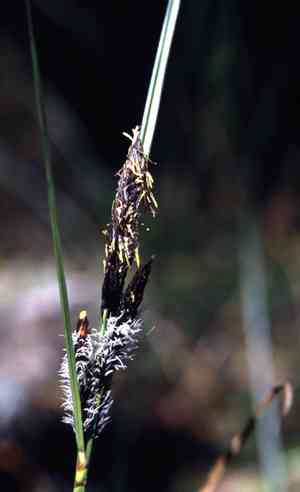
Slough Sedge (Carex obnupta)
Also known as: Slough Sedge, Swamp Sedge
Switchgrass is a robust grass commonly utilized for erosion control. This plant thrives in full sun to part shade and requires moist soil conditions, similar to its natural habitat in North American prairies.
In This Article
Attributes of Slough Sedge
Lifespan
Perennial
Plant Type
Herb
Plant Height
1.2 m
Spread
30 cm
Leaf Color
Dark Green
Flower Size
15 cm
Flower Color
White Yellow Purple Brown
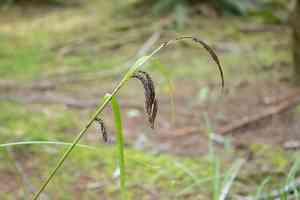
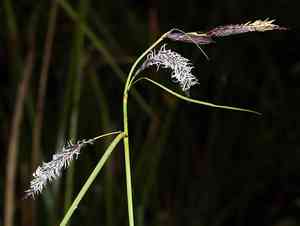
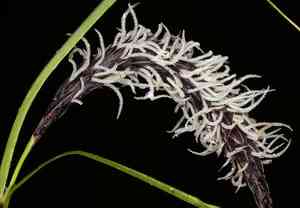
Images of Slough Sedge

Quickly Identify Slough Sedge
1
Carex obnupta can be identified by its tall, triangular stems, which can reach up to 1.5 meters in height, and its long, arching leaves. The leaves are glossy and dark green. The sedge produces small, brownish spikelets in clusters during the blooming season.
Scientific Classification of Slough Sedge
Phylum
Vascular plants
Class
Monocotyledons
Order
Poales
Family
Sedge
Genus
True sedges
Species
Slough Sedge
Planting and Growing of Slough Sedge
Care Difficulty
Easy
Watering Schedule
Every 8 days
Sunlight Requirements
Partial sun
Sunshine Duration
4-6 hours
Ideal Temperature
50-75℉
Soil Type
Potting Mix, Peat Mix
Soil pH
6.5-7.5
Fertilizer Type
Balanced
Pruning Season
Spring, Summer
Pruning Area
Branches, Leaves
Pruning Frequency
2 times a year
Repotting Season
Spring
Pot Type
Plastic, Terracotta
 How to Water Slough Sedge?
Carex obnupta, also known as Slough Sedge, thrives in moist environments, so it's crucial to keep its soil consistently damp. A good rule is to ensure water penetrates a depth of at least 15 cm, allowing the roots to soak up necessary moisture. This frequently translates to around 300 ml of water per session, depending on container size and drainage capabilities.
What are the symptoms of an underwatered Slough Sedge?
›
What should I do if my Slough Sedge is not getting enough water?
›
What are the symptoms of an overwatered Slough Sedge?
›
How to save an overwatered Slough Sedge?
›
 What Are the Sunlight Requirements for Slough Sedge?
Partial sun to full shade is ideal. These conditions promote steady growth, lush foliage, and help prevent environmental stressors that could damage the plant.
More About Sunlight Requirements Techniques→
What is the best lighting condition?
›
How to achieve ideal lighting?
›
Benefits of ideal light for Carex obnupta.
›
 What Is the Ideal Temperature Range for Slough Sedge?
The ideal temperature range for growing Carex obnupta is between 50°F and 75°F. This range supports optimal growth and healthy development of the plant. Temperatures within this range ensure adequate metabolic function and prevent stress caused by extreme cold or heat.
 What Soil is Best for Slough Sedge?
Carex obnupta thrives in soils that offer excellent moisture retention. This plant loves to stay hydrated, benefiting from wet feet. Having adequate moisture in the soil ensures vigorous growth and keeps its leaves lush and vibrant, making it ideal for wetland gardens. Although Carex obnupta prefers wet conditions, it still requires good drainage to prevent waterlogging. Well-drained soils help in avoiding root rot and other fungal diseases, ensuring the plant maintains its health and robust appearance. Good drainage also encourages proper nutrient uptake. A nutrient-rich soil is essential for the optimal growth of Carex obnupta. This ensures the plant receives all essential nutrients required for its robust growth and development. Organically rich soil contributes to its vibrant leaf color and overall plant vigor.
 How to Fertilize Slough Sedge?
For Carex obnupta, ensure that the fertilizer amount is moderate. In the case of liquid fertilizers, a concentration of 1/4 strength of a balanced fertilizer is usually sufficient. For slow-release fertilizers, a light application, typically around 1-2 tablespoons per plant, is ideal.
 How to Prune Slough Sedge?
Begin by inspecting the plant for any dead, yellowing, or damaged leaves. Carefully trim these away at their base to encourage healthy growth and improve the plant's aesthetic. Trim the plant's outer edges to form a neat, rounded shape. This step helps maintain a compact form, prevents overgrowth, and enhances the plant's overall appearance. In early Spring, cut back older foliage to ground level. This stimulates fresh growth and ensures the plant remains vibrant throughout the growing season.
More About Pruning Techniques→
 How to Propagate Slough Sedge plant?
1
Sow the seeds in a well-draining substrate mixed with a light layer of sand. Cover them lightly with soil, water gently, and keep in a warm, sheltered spot until germination.
2
To propagate through division, carefully dig up the plant and gently separate a cluster of rhizomes with roots. Ensure each division has sufficient roots attached.
3
After dividing, plant the individual sections in the prepared soil, maintaining their original planting depth. Water them adequately to settle the soil around the roots.
 How to Repot Slough Sedge plant?
1
Carex obnupta, also known as slough sedge, usually needs repotting every two to three years or when its roots start to overgrow the pot. Signs that it's time to repot include roots poking out of the drainage holes, slower growth, and reduced water retention in the soil.
2
When selecting a pot for Carex obnupta, choose one that is slightly larger than the current pot, with adequate drainage holes to prevent waterlogging. A pot made of sturdy material, like terra cotta, offers stability and breathability, which complements the plant's moisture-loving nature.
3
Selecting the right soil is crucial for Carex obnupta. Opt for a moisture-retentive yet well-draining soil mix. This combination ensures the roots remain moist yet not waterlogged, mimicking its natural wetland habitat while preventing root rot.



