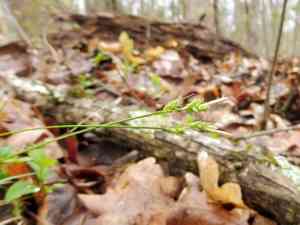
Emmons's sedge (Carex albicans)
Also known as: White-tinged sedge
Carex albicans is a perennial, grass-like plant belonging to the sedge family. It produces its fruits in early spring, and these fruits are partly dispersed by ants, a process known as myrmecochory.
In This Article
Attributes of Emmons's sedge
Lifespan
Perennial
Plant Type
Grass
Plant Height
30 cm to 46 cm
Spread
Clump-forming, no distinct crown
Leaf Color
Green with white-tinged edges
Flower Size
Small, generally less than 1 cm
Flower Color
Brown or greenish
Images of Emmons's sedge
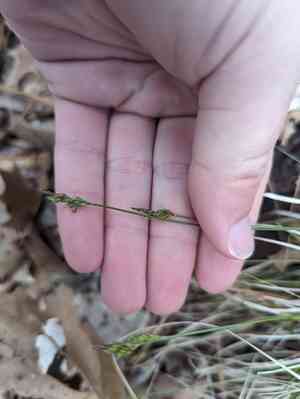
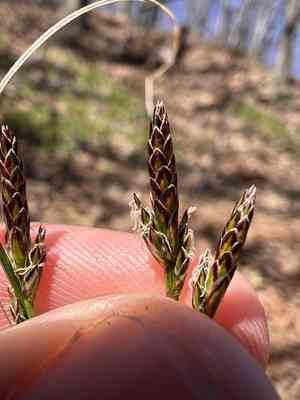
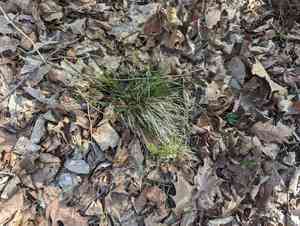
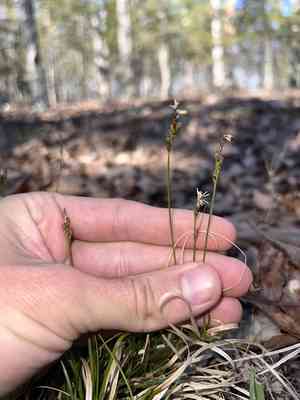
Quickly Identify Emmons's sedge
1
To identify Carex albicans, look for its white-tinged leaves, triangular stems, and the clump-forming growth habit. It typically features long, narrow leaves and small, inconspicuous flowers.
Scientific Classification of Emmons's sedge
Phylum
Vascular plants
Class
Monocotyledons
Order
Poales
Family
Sedge
Genus
True sedges
Species
Emmons's sedge
Planting and Growing of Emmons's sedge
Care Difficulty
Easy
Watering Schedule
Every 2 days
Sunlight Requirements
Partial sun
Sunshine Duration
4-8 hours
Ideal Temperature
65-75℉
Soil Type
Potting Mix, Peat Mix
Soil pH
6.5-7.5
Fertilizer Type
Balanced
Pruning Season
Spring, Summer
Pruning Area
Branches, Leaves
Pruning Frequency
2 times a year
Repotting Season
Spring
Pot Type
Terracotta, Plastic
 How to Water Emmons's sedge?
Carex albicans requires a consistent watering routine. Typically, it needs about 250 milliliters of water per session. The aim is to provide enough moisture to penetrate the root zone without making the soil waterlogged. This ensures the roots can access the required moisture while avoiding conditions that could lead to root rot.
What are the symptoms of an underwatered Emmons's sedge?
›
What should I do if my Emmons's sedge is not getting enough water?
›
What are the symptoms of an overwatered Emmons's sedge?
›
How to save an overwatered Emmons's sedge?
›
 What Are the Sunlight Requirements for Emmons's sedge?
Partial sun to full shade conditions are ideal for Carex albicans, allowing balanced light exposure which promotes healthy growth and prevents stress symptoms.
Best Light Type
›
Achieving Ideal Conditions
›
Benefits of Ideal Light
›
 What Is the Ideal Temperature Range for Emmons's sedge?
The ideal temperature range for Carex albicans is between 65°F and 75°F. This range ensures optimal growth conditions, allowing the plant to maintain healthy foliage and establish strong roots. Maintaining this temperature range helps prevent stress that could lead to weakened growth or susceptibility to diseases.
 What Soil is Best for Emmons's sedge?
Carex albicans thrives in well-draining soil. This requirement is critical because it prevents waterlogging, which can lead to root rot. Providing well-draining soil ensures the plant's roots receive the right balance of moisture and oxygen, promoting robust growth. This plant prefers soil that is rich in organic matter. Organic content provides essential nutrients and improves soil structure, contributing to the plant’s health and vigor. Regularly amending the soil with compost can meet this requirement. Carex albicans prefers soils that retain some moisture but are not wet. Balancing moisture levels ensures that the plant obtains necessary hydration without suffering from excess water, which maintains healthy, disease-free foliage.
 How to Fertilize Emmons's sedge?
For Carex albicans, applying the right amount of fertilizer is crucial for its growth and health. Generally, use a balanced, all-purpose fertilizer at a rate of 1/4 to 1/2 pound per 100 square feet. Make sure to adjust according to the specific needs of your soils, such as soil fertility and existing nutrient levels.
 How to Prune Emmons's sedge?
The first step in pruning Carex albicans is to identify dead or damaged leaves. These leaves often appear brown or wilted. Gently remove them to promote better air circulation and growth. Focus on trimming back areas where the plant has become overgrown. Use your pruning shears to cut back any excessively long blades, especially those protruding beyond the plant's natural shape. After initial pruning, keep an eye on the plant. Trimming will stimulate new growth, helping the plant maintain a fuller and healthier appearance. Monitor for additional dead leaves and remove them as needed.
More About Pruning Techniques→
 How to Propagate Emmons's sedge plant?
1
To start Carex albicans from seed, fill seed trays with a well-draining potting mix and lightly cover seeds with soil. Keep the medium consistently moist and place the trays in a warm area with indirect sunlight. Germination can take several weeks.
2
Carex albicans can be easily propagated through division. Begin by gently digging up a mature plant, ensuring to keep the root ball intact. Carefully separate the clumps into smaller sections, each containing roots and shoots.
3
Once divided, plant the sections in prepared soil at the same depth they were growing before. Water thoroughly after planting and continue to maintain optimal moisture to help new divisions establish quickly in their new location.
 How to Repot Emmons's sedge plant?
1
Carex albicans shows clear signs when it's time to repot. If you notice the roots outgrowing the current pot and appearing through drainage holes, it's a signal. Additionally, stunted growth or drying out faster than usual are indicators that cannot be ignored.
2
Selecting an appropriate pot is essential for Carex albicans. It should be slightly larger than the current one to allow root growth, with sufficient drainage holes. A pot that is too big can retain excess moisture, leading to root rot, whereas a well-fitting pot ensures healthy growth.
3
For Carex albicans, a well-draining loamy soil mix is ideal. This choice ensures that the plant's roots receive enough aeration and prevents waterlogging, which is crucial for its growth and vitality. A soil tailored for grasses or sedges is perfect as it matches the natural habitat of the plant.



