How to Propagate Emmons's sedge?
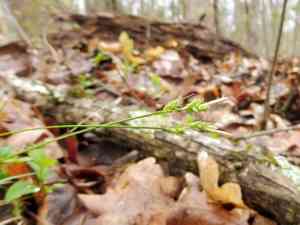
Emmons's sedge flourishes when multiplied by splitting, preferably performed during the plant's vigorous development stage to improve root anchoring and general well-being. Gently divide the root masses, making sure every piece possesses sound roots and sprouts. Replant without delay in damp, adequately draining earth, preserving steady hydration to aid the settling phase. Consistent inspection for infestations and ailments will protect nascent plants and guarantee sturdy development.
What Is the Best Time To Propagate Emmons's Sedge?
Propagation Type
Division
Propagation Season
Spring,Autumn
What Tools Are Used in Emmons's Sedge Propagation?
Garden Spade or Fork
A robust garden spade or fork is crucial for safely and efficiently separating the root mass of emmons's sedge. Its sharp, durable edges enable precise cuts, minimizing root damage and preserving plant health during division.
Pruning Shears
Sharp pruning shears are utilized to trim any surplus roots or dead foliage both before and after division. This helps alleviate stress on emmons's sedge and encourages healthier, more vigorous growth post-propagation.
Watering Can with Fine Rose
Following division, it's vital to ensure emmons's sedge receives ample water to aid its establishment in the new environment. A watering can with a fine rose attachment provides gentle, even water distribution, preventing soil erosion around new plantings.
Rooting Hormone Powder
While not always essential, applying a small quantity of rooting hormone to the cut sections of emmons's sedge's roots can boost root growth and improve overall survival rates. This is particularly beneficial for promoting robust root development in less than ideal conditions.
How to Propagate Emmons's Sedge?
Propagation Type
Easy
How to Care for Your Newly Propagated Emmons's Sedge?
How to Care for Your Newly Propagated Emmons's Sedge?
After propagation, ensure emmons's sedge is kept in conditions mirroring its natural habitat. This includes partial to full shade and consistently moist soil. Water newly planted divisions regularly until new growth appears and they are well-established. Throughout the growing season, apply organic mulch to retain moisture and suppress weeds. Avoid chemical fertilizers, opting for organic compost to nourish the plants. Monitor for pests or diseases, addressing issues promptly to maintain emmons's sedge's health.
Common Mistakes to Avoid When Propagating Emmons's Sedge
Overwatering
Excessive watering can cause root rot in emmons's sedge, a plant that thrives in well-drained soil. Too much moisture in the soil deprives roots of oxygen, hindering nutrient absorption and increasing disease susceptibility.
Ignoring soil composition
Using unsuitable soil that doesn't mimic emmons's sedge's native soil structure can impede its growth. Emmons's sedge requires a well-aerated and well-draining soil mix to flourish.
Improper division technique
When dividing emmons's sedge, cutting sections too small or damaging the root system can severely impact the plant's ability to establish and grow. Incorrect division can result in weaker plants less likely to survive.
Tips For Propagating Emmons's Sedge
Maintain optimal moisture level
Water emmons's sedge sufficiently to keep the soil moist but not waterlogged. Ensuring proper drainage and monitoring soil moisture can significantly aid in healthy root development.
Use suitable soil mix
Prepare a soil mixture that closely resembles the native habitat of emmons's sedge, typically including loamy or sandy components for improved drainage and aeration.
Careful division
When propagating emmons's sedge through division, ensure each section has adequate roots and shoots. Make clean cuts to minimize damage and enhance the plant's recovery and growth potential.



