How to Prune Emmons's sedge?
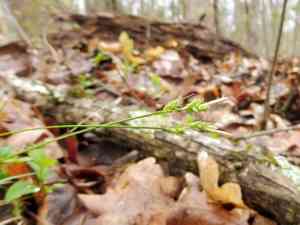
Emmons's sedge, a perennial, generally exhibits a clumping habit with appealing, grass-like leaves. Trim emmons's sedge in late winter or early spring to stimulate robust development and preserve an attractive form. Eliminating faded flower stems and cutting back deceased or excessive foliage improves the plant's well-being and visual charm. Trimming while the plant is dormant reduces strain on emmons's sedge, fostering strong vitality and readying it for the active growth period. This schedule also hinders unwanted propagation through seed scattering.
Advantages of Trimming Emmons's Sedge
Advantages of Trimming Emmons's Sedge
Trimming emmons's sedge encourages robust development and assists in preserving its desired form, fostering a denser, healthier growth habit. Regular cutting can prevent overcrowding and guarantee optimal plant vitality.
Optimal Time for Trimming Emmons's Sedge
Optimal Time for Trimming Emmons's Sedge
Trimming emmons's sedge in early spring is ideal as it coincides with the onset of its active growth phase, allowing the plant to recover quickly and effectively promote new growth. Winter is another suitable period for trimming since emmons's sedge is dormant; this minimizes stress and harm to the plant, conserving energy vital for vigorous growth in the subsequent growing season.
Required Tools for Trimming Emmons's Sedge
Hand Pruners
These are perfect for cutting back dead or overgrown sections of emmons's sedge. Hand pruners provide precision and control, essential for the delicate foliage structure of emmons's sedge, ensuring minimal damage during trimming.
Grass Shears
Grass shears are excellent for detailed trimming and shaping of emmons's sedge. They allow for gentle cuts that follow the plant's natural form without causing stress or injury to its base.
Gardening Scissors
These are useful for finer, detailed tasks, especially for reaching tight spots between emmons's sedge's clumps. The smaller blades offer accuracy in snipping without disturbing surrounding plant material.
How to Trim Emmons's Sedge
Sanitize tools
Before beginning to trim emmons's sedge, disinfect the pruning shears with rubbing alcohol or a bleach solution to prevent the spread of diseases and pests.
Examine plant
Carefully check emmons's sedge for diseased or withered leaves. Look for indicators such as discoloration, spots, or dry, brittle edges, which signify unhealthy leaves.
Remove diseased
Using the sanitized shears, precisely cut off diseased leaves at their base where they meet the stem or soil. Make clean cuts to avoid tearing, which could further stress emmons's sedge.
Remove withered
Similarly, remove any withered leaves by cutting them at their base. This helps eliminate unsightly parts and potentially control the spread of any unnoticed plant ailments.
Discard
Collect all removed parts and dispose of them away from the garden to prevent the risk of diseases re-infecting emmons's sedge or other plants. Do not compost diseased materials.
Common Trimming Errors with Emmons's Sedge
Excessive trimming
A common error is removing too much foliage from emmons's sedge, which can weaken the plant. It's crucial to trim sparingly and strategically to maintain the health and vigor of emmons's sedge.
Incorrect cut placement
Some gardeners make cuts too close to the crown of emmons's sedge or too far from dead foliage, disrupting natural growth patterns and potentially exposing the plant to diseases.
Using dull implements
Employing dull trimming tools can damage the stems of emmons's sedge, leading to jagged cuts that make the plant more vulnerable to pest infestations and diseases.
General Trimming Advice for Emmons's Sedge
Clean tools
Before starting, ensure all trimming tools are clean and sharp. This prevents disease transmission between plants and ensures clean cuts that heal more efficiently.
Selective trimming
Focus on removing only dead or diseased foliage. This enhances the appearance of emmons's sedge while ensuring it remains healthy and vigorous, without unnecessary thinning.
Timing and technique
Trim with an emphasis on subtly shaping the plant rather than aggressive cutting. This preserves the natural form of emmons's sedge and supports its growth in the landscape or garden.



