Lady's purses (Calceolaria) (Calceolaria)
Also known as: Slipperworts
Calceolaria is a genus of plants in the Calceolariaceae family, known for their distinctive, pouch-like flowers that come in a variety of bright colors. These plants are primarily native to South and Central America and are enjoyed both as ornamental garden plants and houseplants.
In This Article
Attributes of Lady's purses (Calceolaria)
Lifespan
Biennial
Plant Height
30 cm
Spread
30 cm
Leaf Color
Green
Flower Size
2-5 cm
Flower Color
Yellow, Red, Orange, Multi-colored
Images of Lady's purses (Calceolaria)
Quickly Identify Lady's purses (Calceolaria)
1
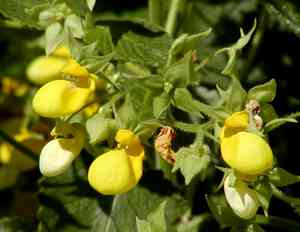
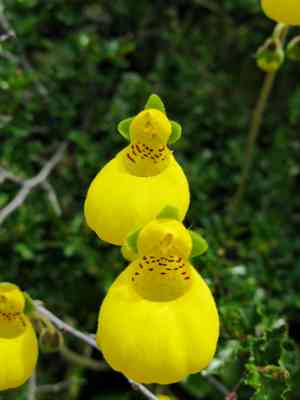
Calceolaria can be identified by its unique, slipper-shaped flowers that resemble pouches. The flowers often have speckles or spots and come in colors ranging from yellow to red, orange, and even multi-colored varieties. The leaves are typically ovate and arranged oppositely along the stem.
Scientific Classification of Lady's purses (Calceolaria)
Phylum
Magnoliophyta
Class
Magnoliopsida
Order
Lamiales
Family
Calceolariaceae
Genus
Calceolaria
Planting and Growing of Lady's purses (Calceolaria)
Care Difficulty
Moderate
Watering Schedule
Every 4 days
Sunlight Requirements
Partial sun
Sunshine Duration
4-6 hours
Ideal Temperature
60-75℉
Soil Type
Potting Mix, Peat Mix
Soil pH
5.5-7.5
Fertilizer Type
Balanced
Pruning Season
Spring, Summer
Pruning Area
Branches, Leaves
Pruning Frequency
2 times a year
Repotting Season
Spring
Pot Type
Plastic, Ceramic
 How to Water Lady's purses (Calceolaria)?
Calceolaria prefers a moist environment. The ideal watering amount is about 150 ml, ensuring the top layer of soil is kept slightly damp. Avoid waterlogging by allowing excess to drain out.
What are the symptoms of an underwatered Lady's purses (Calceolaria)?
›
What should I do if my Lady's purses (Calceolaria) is not getting enough water?
›
What are the symptoms of an overwatered Lady's purses (Calceolaria)?
›
How to save an overwatered Lady's purses (Calceolaria)?
›
 What Are the Sunlight Requirements for Lady's purses (Calceolaria)?
Calceolaria prefers partial sun to full shade. This range helps maintain its lush, compact form and encourages vibrant flowering, contributing to overall plant health and structural integrity.
What is the best lighting for Calceolaria?
›
How can you ensure ideal light levels?
›
What are the benefits of optimal lighting?
›
 What Is the Ideal Temperature Range for Lady's purses (Calceolaria)?
For optimal growth, Calceolaria thrives in a temperature range of 60 to 75 degrees Fahrenheit. This range provides the perfect condition for healthy flowering and foliage development, ensuring that the plant maintains its vibrant bloom colors and robust structure.
 What Soil is Best for Lady's purses (Calceolaria)?
Calceolaria plants thrive in soils with excellent drainage. This prevents root rot and other moisture-related problems by allowing excess water to escape quickly, thus ensuring an optimal moisture balance for the plant. A soil enriched with organic matter, like compost or well-rotted manure, provides essential nutrients, supports soil structure, and enhances water retention, which greatly benefits Calceolaria's overall growth and bloom quality. Calceolaria prefers moderately fertile soils, as overly fertile conditions can lead to excessive leaf growth at the expense of flowers. A balanced nutrient profile supports vibrant blooms and healthy plant development.
 How to Fertilize Lady's purses (Calceolaria)?
When fertilizing Calceolaria, use a balanced all-purpose fertilizer diluted to half the recommended strength. They thrive on a steady supply of nutrients but can be sensitive to excessive amounts. Applying too much fertilizer can lead to salt build-up in the soil, which hinders plant growth.
 How to Prune Lady's purses (Calceolaria)?
Always make sure to use sterilized, sharp pruning shears to make clean cuts, reducing the risk of plant damage and disease transmission. While pruning, inspect the plant for any signs of pests such as aphids or whiteflies. Early detection allows for timely intervention and helps protect your plant. Avoid cutting back more than one-third of the plant at once. Over-pruning can weaken Calceolaria, potentially leading to stress or stunt its growth. Prune in the morning or late afternoon to minimize stress on the plant. Avoid pruning during the hottest part of the day to prevent moisture loss.
 How to Propagate Lady's purses (Calceolaria) plant?
1
Start with a well-draining potting mix, typically composed of peat and perlite or sand, to provide adequate aeration and moisture retention for the seeds or cuttings. Ensure the soil is slightly moist before planting.
2
Sow Calceolaria seeds lightly on top of the prepared soil. Do not bury them too deeply as they require light to germinate. Gently press them into the soil and cover the tray with a clear plastic lid to retain moisture.
3
Select a healthy stem, around 4-6 inches long, from a mature plant and make a clean cut using pruners. Remove the lower leaves and dip the cut end in rooting hormone before placing it in moist soil, ensuring good contact.
 How to Repot Lady's purses (Calceolaria) plant?
1
Repot Calceolaria when you notice roots emerging from drainage holes, indicating the plant has outgrown its current home. Another signal is slowed growth despite optimal care. These indicators suggest the need for a more spacious pot.
2
Select a pot that is 1-2 inches larger in diameter than the current one, with adequate drainage holes. A slightly bigger size prevents the plant from sitting in too much water, reducing the risk of root rot while allowing growth.
3
Use a well-draining potting mix enriched with organic matter. This type of soil ensures proper aeration and moisture retention without waterlogging, promoting healthy root development and overall plant vitality.
Learn More About Lady's purses (Calceolaria) Diseases
Anthracnose
Bacterial Leaf Spot
Bacterial Soft Rot
Bacterial Wilt
Black Spot
Chemical Injury
Crown Gall
Damping-off
Downy Mildew
Drought Stress
Fusarium Wilt
Gray Mold
Leaf Spot
Mosaic
Nutrient Deficiency
Nutrient Toxicity
Powdery Mildew
Root Rot
Root-knot Nematode
Sooty Mold
Spider Mites
Temperature Stress
Thrips Damage
White Mold

