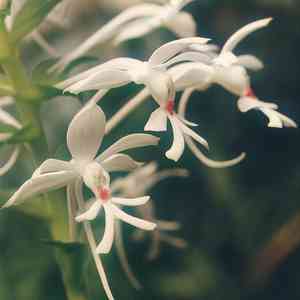
Common Christmas orchid (Calanthe triplicata)
Also known as: Christmas orchid
The Common Christmas orchid (Cattleya trianae) is typically found in tropical rainforests under the canopy. For outdoor cultivation, it should be placed in a location with ample shade and high humidity. Ideal conditions include temperatures between 65-85°F (18-29°C) during the day, with slightly cooler nights. Ensuring good air circulation and keeping the soil consistently moist will help it thrive.
In This Article
Attributes of Common Christmas orchid
Lifespan
Perennial
Plant Type
Herb
Plant Height
1 m to 6 m
Spread
50 cm
Leaf Color
Green
Flower Size
1.5 cm to 4 cm
Flower Color
White Yellow Pink Purple
Images of Common Christmas orchid
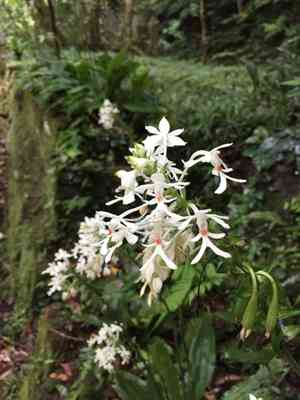
Quickly Identify Common Christmas orchid
1
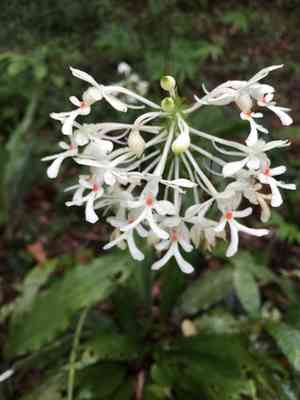
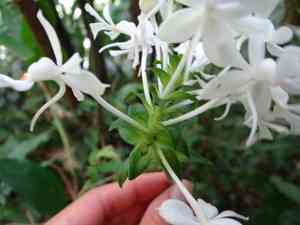
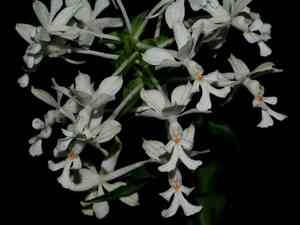
Recognizable by its large, pleated leaves and white, often fragrant flowers. The flower spike is tall and can bear numerous flowers, making identification comparatively easy during the blooming season.
Scientific Classification of Common Christmas orchid
Phylum
Vascular plants
Class
Monocotyledons
Order
Asparagales
Family
Orchid
Genus
Christmas orchids
Species
Common Christmas orchid
Planting and Growing of Common Christmas orchid
Care Difficulty
Easy
Watering Schedule
Every 2 days
Sunlight Requirements
Partial sun
Sunshine Duration
8-12 hours
Ideal Temperature
65-75℉
Soil Type
Potting Mix, Peat Mix
Soil pH
6.5-7.5
Fertilizer Type
Balanced
Pruning Season
Spring, Summer
Pruning Area
Branches, Leaves
Pruning Frequency
2 times a year
Repotting Season
Spring
Pot Type
Plastic, Ceramic
 How to Water Common Christmas orchid?
Calanthe triplicata requires a moderate watering approach. Ensure the soil is evenly moist but never waterlogged. It's crucial to let the top inch of soil dry out between waterings. This prevents root rot and keeps the plant healthy.
What are the symptoms of an underwatered Common Christmas orchid?
›
What should I do if my Common Christmas orchid is not getting enough water?
›
What are the symptoms of an overwatered Common Christmas orchid?
›
How to save an overwatered Common Christmas orchid?
›
 What Are the Sunlight Requirements for Common Christmas orchid?
Calanthe triplicata prefers dappled sunlight for a few hours daily, typically between 2 to 6 hours. This regulated light range supports photosynthesis and maintains the plant's natural growth cycle.
More About Sunlight Requirements Techniques→
What type of light is best for Calanthe triplicata?
›
How can one achieve ideal lighting for Calanthe triplicata?
›
What are the benefits of optimal lighting for Calanthe triplicata?
›
 What Is the Ideal Temperature Range for Common Christmas orchid?
The ideal temperature range for Calanthe triplicata is between 65°F and 75°F. This range maintains the delicate balance that the plant requires to thrive and facilitates optimal metabolic and growth processes. It is crucial to keep the plant within this range to promote healthy blooming and prevent stress responses.
 What Soil is Best for Common Christmas orchid?
Calanthe triplicata thrives in well-draining soil that allows excess water to pass through easily. This helps prevent root rot, a common problem for many orchids, ensuring healthy root development and robust growth. The plant benefits from a loamy soil that is rich in organic matter. This nutrient density supports lush foliage and vibrant blooms, providing the essential minerals and elements needed for optimal growth. While good drainage is crucial, the soil should also retain some moisture to keep the plant hydrated. A right balance helps maintain consistent moisture levels, which is key for steady growth and flowering.
 How to Fertilize Common Christmas orchid?
For Calanthe triplicata, it is important to apply a balanced fertilizer with a ratio such as 10-10-10. Liquid fertilizers should be diluted to half strength to avoid burning the roots. Applying a tablespoon of slow-release fertilizer around the root zone should be sufficient for each application.
 How to Prune Common Christmas orchid?
The first step in pruning Calanthe triplicata is to identify and remove any dead or dying leaves. These can easily be spotted by their yellow or brown color and generally have a wilted appearance. Removing them allows the plant to channel its energy into new growth. Focus on trimming back any overgrown or leggy stems to maintain a neat shape. Cut just above a node or leaf base. This practice will not only promote a fuller plant but also helps to maintain a more aesthetically pleasing appearance. Always remove spent flower spikes to prevent the plant from putting energy into seed production. This encourages more blooms over the flowering season, ensuring your plant continues to present vibrant and beautiful flowers.
More About Pruning Techniques→
 How to Propagate Common Christmas orchid plant?
1
Carefully dig up a mature Calanthe triplicata and separate rhizomes, ensuring each division has healthy roots and shoots. Replant divisions at the same depth and water thoroughly.
2
Collect seeds from mature pods and sow them onto the surface of a sterile seed-starting medium. Keep the medium consistently moist and provide indirect light for germination.
3
Prepare explants from healthy plant material under sterile conditions. Use appropriate nutrient media to encourage growth and multiplication before acclimatization.
 How to Repot Common Christmas orchid plant?
1
The best time to repot Calanthe triplicata is when it shows signs of outgrowing its current container, such as roots emerging from the drainage holes or the pseudo-bulbs pushing against the pot walls. Performing the repotting during the growing season, preferably in spring or summer, will give the plant ample time to recover and thrive.
2
When selecting a pot for Calanthe triplicata, opt for one that is just slightly larger than the current pot. The pot should have ample drainage holes to prevent waterlogging, which is crucial for orchid health. An appropriately sized pot ensures the plant focuses its energy on new growth rather than root development, promoting better flowering and vitality.
3
Calanthe triplicata thrives in a well-draining orchid-specific potting mix, which typically includes a blend of bark, perlite, and sphagnum moss. This mix provides excellent aeration and moisture retention, mimicking the natural forest floor environment where orchids naturally grow. A proper soil mix encourages strong root development and ensures the plant remains healthy and vigorous.
Learn More About Common Christmas orchid Diseases
Anthracnose
Bacterial Leaf Spot
Bacterial Soft Rot
Bacterial Wilt
Black Spot
Chemical Injury
Crown Gall
Cyst Nematode
Damping-off
Downy Mildew
Drought Stress
Fusarium Wilt
Gray Mold
Leaf Spot
Mosaic
Nutrient Deficiency
Nutrient Toxicity
Powdery Mildew
Root Rot
Root-knot Nematode
Sooty Mold
Spider Mites
Temperature Stress
Thrips Damage
White Mold



