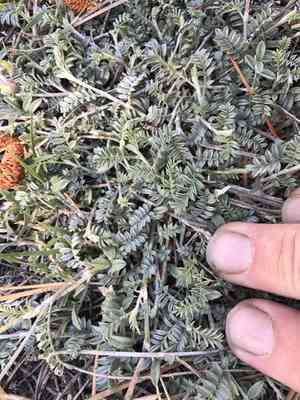
Groundcover milkvetch (Astragalus humistratus)
Also known as: Groundcover Milkvetch
Groundcover milkvetch (Astragalus spp.) exhibits a sprawling, low-to-the-ground growth habit, allowing it to conserve moisture and avoid harsh environmental elements. It has small, pinnate leaves and produces yellow, pea-like flowers. Thriving in rocky or gravelly soils, its deep root system efficiently taps into underground water sources, enhancing its resilience in arid conditions.
In This Article
Attributes of Groundcover milkvetch
Lifespan
Perennial
Plant Type
Herb
Plant Height
10-20 cm
Spread
Wide-spreading
Leaf Color
Green
Flower Size
5-10 mm
Flower Color
Typically lavender or pink
Images of Groundcover milkvetch
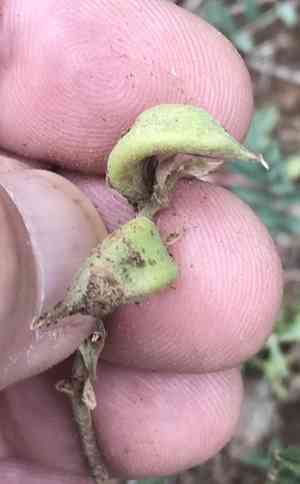
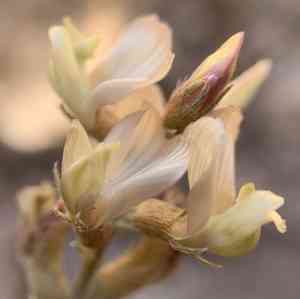
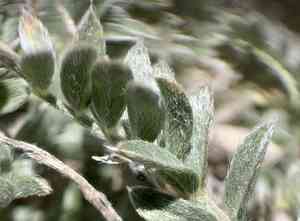
Quickly Identify Groundcover milkvetch
1
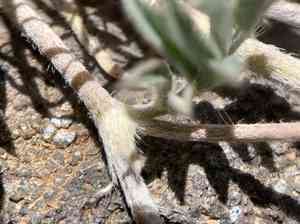
Identify by its low, mat-forming growth habit with small, pinnate leaves and tiny, pea-like flowers. It often has a hairy texture and may spread across a wide area.
Scientific Classification of Groundcover milkvetch
Phylum
Vascular plants
Class
Dicotyledons
Order
Fabales
Family
Legume
Genus
Milkvetch
Species
Groundcover milkvetch
Planting and Growing of Groundcover milkvetch
Care Difficulty
Moderate
Watering Schedule
Every 3 days
Sunlight Requirements
Full sun
Sunshine Duration
10-12 hours
Ideal Temperature
60-75℉
Soil Type
Potting Mix, Peat Mix
Soil pH
6.5-7.5
Fertilizer Type
Balanced
Pruning Season
Spring, Summer
Pruning Area
Branches, Leaves
Pruning Frequency
2 times a year
Repotting Season
Spring
Pot Type
Plastic, Ceramic
 How to Water Groundcover milkvetch?
Astragalus humistratus, a resilient plant native to arid regions, requires around 150 ml of water per session. The key is to saturate the soil just enough so that it remains slightly moist without becoming waterlogged. Ensure that after watering, the soil can dry out partially before the next round, mimicking its natural habitat conditions.
What are the symptoms of an underwatered Groundcover milkvetch?
›
What should I do if my Groundcover milkvetch is not getting enough water?
›
What are the symptoms of an overwatered Groundcover milkvetch?
›
How to save an overwatered Groundcover milkvetch?
›
 What Are the Sunlight Requirements for Groundcover milkvetch?
Partial to full sun ensures optimal photosynthesis for healthy growth. The plant thrives in bright environments, enjoying benefits like improved flowering and increased resistance to adverse conditions.
How much sunlight does Astragalus humistratus need daily?
›
What are the best solutions for ideal lighting conditions?
›
What benefits does Astragalus humistratus enjoy under ideal light?
›
 What Is the Ideal Temperature Range for Groundcover milkvetch?
The optimal temperature range for growing Astragalus humistratus is between 60°F and 75°F. During this range, the plant is able to photosynthesize efficiently and maintain its metabolic functions, leading to healthy growth and development. Ensuring these temperatures can also help in preventing stress reactions.
 What Soil is Best for Groundcover milkvetch?
Astragalus humistratus requires well-drained soil to prevent root rot and other moisture-related issues. Ensuring proper drainage helps the plant thrive by allowing oxygen to reach the roots and minimizing the risk of waterlogging. A nutrient-rich soil is important for the healthy growth of Astragalus humistratus. Organic matter, such as compost or leaf mold, can be added to provide the necessary nutrients that support robust plant development and vibrant flowering. While the plant is somewhat drought-tolerant, it thrives best in soil that maintains consistent but moderate moisture levels. Avoiding overly dry or waterlogged conditions will ensure the plant remains healthy and stress-free.
 How to Fertilize Groundcover milkvetch?
Astragalus humistratus requires a balanced approach to fertilization. Use about 1 tablespoon of liquid fertilizer per gallon of water, ensuring the solution is well mixed. For solid fertilizers, a small handful, approximately 2 ounces, around the base is typically sufficient. Avoid excessive application to prevent nutrient burn.
 How to Prune Groundcover milkvetch?
Begin by inspecting the plant for any dead or damaged stems. Prune these parts back to a healthy node or the base of the plant. This encourages new growth and removes potential hiding spots for pests. To keep Astragalus humistratus in a neat and manageable form, strategically prune stems that stick out from the desired shape. Cut these back to a lateral bud or a point where two branches join, promoting a compact growth pattern. Trim back any particularly long stems to promote bushiness. Aim to cut just above a pair of leaves or buds, as this will stimulate the plant to grow more branches, resulting in a fuller appearance. While pruning, keep an eye out for signs of pests such as discolored leaves or small insects. Address any pest issues promptly to prevent them from proliferating and harming the plant.
More About Pruning Techniques→
 How to Propagate Groundcover milkvetch plant?
1
Collect seeds from mature Astragalus humistratus plants in late summer, when the seed pods have dried and turned brown. Carefully remove seeds from the pods without damaging them.
2
Sow the seeds in a prepared seed tray filled with sterile potting mix. Spread seeds evenly and cover lightly with additional mix. Ensure that the seeds are not buried too deep.
3
After sowing, water the soil gently to provide moisture without displacing seeds. Cover the seed tray with a clear lid or plastic wrap to maintain humidity, and place it in a bright location.
 How to Repot Groundcover milkvetch plant?
1
Repot when you notice the roots circling the pot or emerging through drainage holes. This indicates that the plant is root bound and ready for a more spacious home.
2
Select a pot that is only slightly larger than the current one, with ample drainage holes. This prevents waterlogging and promotes healthy root growth, crucial for the plant's development.
3
Opt for a well-draining sandy mix to mimic its natural habitat. This soil type provides excellent aeration and drainage, reducing the risk of root rot.
Toxicity
Ingestion
WARNING
The judgment on toxicity and danger is for reference only. We DO NOT GUARANTEE any accuracy of such judgment. Therefore, you SHALL NOT rely on such judgment. It is IMPORTANT TO SEEK PROFESSIONAL ADVICE in advance when necessary.
Learn More About Groundcover milkvetch Diseases
Anthracnose
Bacterial Leaf Spot
Bacterial Wilt
Chemical Injury
Crown Gall
Cyst Nematode
Damping-off
Downy Mildew
Drought Stress
Fusarium Wilt
Gray Mold
Leaf Spot
Mosaic
Nutrient Deficiency
Nutrient Toxicity
Powdery Mildew
Root Rot
Root-knot Nematode
Rusts
Sooty Mold
Spider Mites
Temperature Stress
Thrips Damage
White Mold



