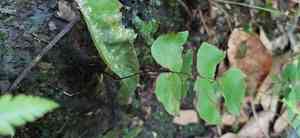
Largeleaf maidenhair (Adiantum macrophyllum)
Also known as: Broadleaf Maidenhair Fern, Large-leaved Maidenhair Fern
Largeleaf maidenhair is a perennial fern that thrives in moist, well-drained soil, often found in the natural setting of rock walls near waterfalls. This plant favors shaded or partially shaded environments with high humidity, which align well with its native tropical and subtropical habitats. Gardeners in warm, humid areas appreciate largeleaf maidenhair for its ease of propagation and its ability to flourish in conditions that naturally support its growth. Its graceful, attractive fronds also make it a popular choice for adding elegance to shaded garden spaces.
In This Article
Attributes of Largeleaf maidenhair
Lifespan
Perennial
Plant Type
Fern
Plant Height
30 to 50 cm
Spread
Can spread but usually up to 60 cm
Leaf Color
Bright green
Flower Size
Not applicable
Flower Color
Not applicable
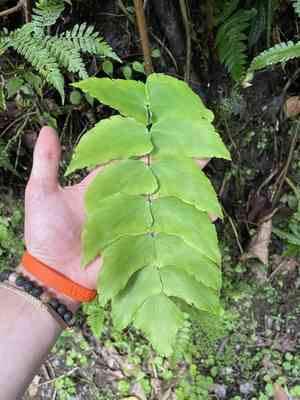
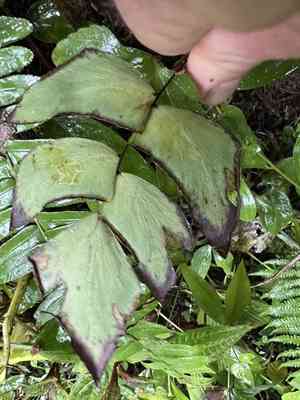
Images of Largeleaf maidenhair
Quickly Identify Largeleaf maidenhair
1
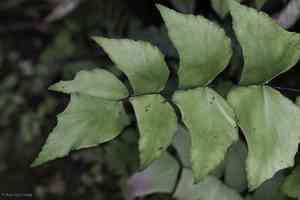
Identify by its large, fan-shaped pinnules which are broader than most Maidenhair ferns. The fronds are delicate and have a unique, almost translucent quality.
Scientific Classification of Largeleaf maidenhair
Phylum
Vascular plants
Class
Ferns
Order
Polypodiales
Family
Brake
Genus
Maidenhair ferns
Species
Largeleaf maidenhair
Planting and Growing of Largeleaf maidenhair
Care Difficulty
Moderate
Watering Schedule
Every 4 days
Sunlight Requirements
Partial sun
Sunshine Duration
4-8 hours
Ideal Temperature
65-75℉
Soil Type
Potting Mix, Peat Mix
Soil pH
6.5-7.5
Fertilizer Type
Balanced
Pruning Season
Spring, Summer
Pruning Area
Branches, Leaves
Pruning Frequency
2 times a year
Repotting Season
Spring
Pot Type
Plastic, Ceramic
 How to Water Largeleaf maidenhair?
For Adiantum macrophyllum, a good rule of thumb for watering is to ensure the soil is moderately moist. 200 ml of water per session is adequate, aiming to moisten the soil evenly without leaving it soggy. Ensure water penetrates a few inches of the soil but avoid any stagnant water accumulation in the pot. Using a pot with drainage holes can aid in preventing overwatering.
What are the symptoms of an underwatered Largeleaf maidenhair?
›
What should I do if my Largeleaf maidenhair is not getting enough water?
›
What are the symptoms of an overwatered Largeleaf maidenhair?
›
How to save an overwatered Largeleaf maidenhair?
›
 What Are the Sunlight Requirements for Largeleaf maidenhair?
Adiantum macrophyllum thrives under partial sun to full shade conditions. This range mimics its natural understory habitat, promoting lush frond development and preventing stress associated with excessive light.
What type of sunlight does Adiantum macrophyllum prefer?
›
How can I achieve the ideal lighting conditions?
›
What are the benefits of ideal lighting?
›
 What Is the Ideal Temperature Range for Largeleaf maidenhair?
The ideal temperature range for Adiantum macrophyllum to thrive is between 65°F and 75°F. This range supports optimal metabolic activity and enables efficient nutrient uptake, resulting in healthy growth. Ensuring stable temperatures within this band helps minimize stress on the plant and facilitates robust photosynthesis, contributing to lush and vibrant foliage.
 What Soil is Best for Largeleaf maidenhair?
Adiantum macrophyllum thrives in soil that can hold moisture without becoming waterlogged. Loamy and peat soils are ideal as they allow the roots to absorb water efficiently while providing good drainage, preventing root rot. A nutrient-rich soil ensures optimal growth. Loamy soil, known for its balanced mixture of sand, silt, and clay, provides essential minerals while promoting earthworm activity, enhancing soil fertility. Proper aeration in the soil is critical for root health. The porous nature of sandy loam ensures that oxygen reaches the roots, vital for respiration and preventing the buildup of harmful anaerobic bacteria.
 How to Fertilize Largeleaf maidenhair?
For Adiantum macrophyllum, use a balanced liquid fertilizer diluted to one-quarter strength. Apply about 200 ml gently around the base of the plant to avoid root burn.
 How to Prune Largeleaf maidenhair?
Start by identifying any dead, yellow, or brown fronds at the base of the plant. Using clean, sharp scissors or pruning shears, carefully snip these fronds as close to the crown as possible without damaging any healthy foliage. Always work methodically, keeping the plant's natural shape in mind. After removing unhealthy fronds, consider trimming any excessively long or unruly fronds to promote a more compact and tidy appearance. This can be done by cutting just above a leaflet to encourage new growth.
More About Pruning Techniques→
 How to Propagate Largeleaf maidenhair plant?
1
Inspect the root ball to identify natural division points. These are areas where the plant naturally creates new growth. Careful identification ensures you don't damage the parent plant.
2
Carefully cut through the rhizome with a sharp knife, ensuring each division has roots attached. Proper division is crucial to ensure each section can grow independently.
3
Immediately replant the divided sections in fresh potting mix at the same soil level they were previously growing. This step is critical to avoid stress on the newly divided plants.
 How to Repot Largeleaf maidenhair plant?
1
Adiantum macrophyllum shows signs like root-bound growth, yellowing leaves, or reduced water absorption, indicating it's time to repot. Optimal repotting is during active growth in spring or when room is scarce in the current pot, ensuring new growth gains nutrients.
2
Select a pot with drainage holes, one size larger than the current pot. Adequate drainage prevents waterlogging, reducing root rot risk. Ensure it's made of breathable material like terra cotta, which enhances air circulation for healthy root systems.
3
Opt for well-draining soil rich in organic matter, like a peat-based mix with perlite or bark. This composition retains necessary moisture while allowing excess water to escape, preventing soggy conditions detrimental to Adiantum macrophyllum.



