How to Prune Largeleaf maidenhair?
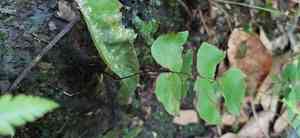
Adiantum macrophyllum exhibits graceful, plume-like foliage, flourishing in dim, humid conditions. Perform trimming on Adiantum macrophyllum in late winter or early spring prior to the emergence of fresh shoots. Remove withered or compromised fronds at their base to stimulate robust development. Refrain from extensive cutting to preserve the plant's inherent form. Trimming aids in averting excessive density, thereby improving air movement and diminishing the likelihood of ailments. Consistent, gentle pruning fosters energetic growth and sustains the plant's visual charm.
What Are the Benefits of Pruning Largeleaf Maidenhair?
What Are the Benefits of Pruning Largeleaf Maidenhair?
Largeleaf maidenhair benefits from pruning to encourage robust growth and maintain its form by eliminating dead or damaged fronds, fostering healthy development. Pruning also enhances air circulation, lowering the risk of pests and diseases.
What Is the Best Time for Pruning Largeleaf Maidenhair?
What Is the Best Time for Pruning Largeleaf Maidenhair?
Pruning largeleaf maidenhair from late winter to early spring allows the plant to recover and direct energy towards new growth as the season begins. During these periods, the plant is typically dormant or semi-dormant, minimizing pruning stress. Additionally, removing damaged or dead fronds before active growth promotes a healthier, more vigorous plant. This timing also helps prevent potential diseases and pests that are more active in warmer months.
What Tools Do I Need to Prune Largeleaf Maidenhair?
Pruning Shears
Essential for trimming dead or damaged fronds. Ideal for precise cuts that promote healthy growth.
Scissors
Useful for detailed and delicate trimming, especially with the thin, fragile stems of largeleaf maidenhair.
Horticultural Knife
Perfect for making clean cuts at the base of large fronds without harming nearby foliage.
Disinfectant Wipes
Crucial for sterilizing tools before and after pruning to prevent disease transmission.
Hand Pruners
Suitable for cutting through thicker, more robust sections of largeleaf maidenhair when needed.
How to Prune Largeleaf Maidenhair
Identify
Examine largeleaf maidenhair for any diseased or withered leaves. Diseased leaves may show discoloration, spots, or mold.
Sanitize
Sterilize your pruning tools with a 70% isopropyl alcohol solution to prevent disease spread.
Remove diseased
Carefully trim away diseased leaves by cutting the entire affected frond at its base. This helps prevent further disease spread.
Remove withered
Cut away withered leaves at the frond's base, being careful not to harm healthy plant parts.
Dispose
Properly dispose of all removed plant material, away from the garden, to prevent potential pathogen spread.
Common Pruning Mistakes with Largeleaf Maidenhair
Over-pruning
Removing too many fronds at once can stress largeleaf maidenhair, reducing its overall health and vigor.
Incorrect cutting technique
Using dull or improper tools can cause ragged cuts, making largeleaf maidenhair vulnerable to diseases and pests.
Pruning healthy fronds
Trimming healthy, vibrant fronds unnecessarily can hinder the plant's growth and bushiness.
Ignoring damaged or dead fronds
Leaving damaged or dead fronds can attract pests and encourage disease, negatively impacting largeleaf maidenhairâs growth.
Common Pruning Tips for Largeleaf Maidenhair
Use sharp and clean tools
Always use sharp, sterilized pruning shears to make clean cuts and prevent disease spread.
Remove dead or damaged fronds
Regularly check for and remove any dead or damaged fronds to keep largeleaf maidenhair healthy and attractive.
Snip at the base
Cut fronds at the base, close to the soil line, to encourage new growth and maintain a tidy appearance.
Prune cautiously
Avoid extensive pruning. Trim just enough to remove diseased parts and maintain shape, ensuring largeleaf maidenhair doesnât become overly stressed.
Encourage airflow
Prune to thin out overcrowded areas, promoting good air circulation and reducing the risk of fungal infections.



