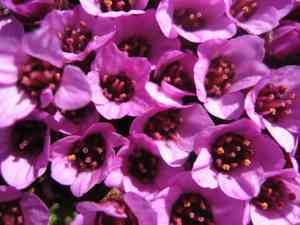
Skunk currant (Ribes glandulosum)
Also known as: Skunk Currant
The skunk currant (Ribes glandulosum) is a native North American plant. It's commonly found in cold, damp areas spanning from the Appalachian Mountains to Alaska. As its name suggests, crushing its leaves releases a skunky smell. Interestingly, while it's considered endangered in certain areas of the East Coast, it is classified as a noxious weed in Michigan.
In This Article
Attributes of Skunk currant
Lifespan
Perennial
Plant Type
Shrub
Plant Height
30 cm to 91 cm
Spread
30 cm to 60 cm
Leaf Color
Green
Flower Size
2.5 cm
Flower Color
Pink White
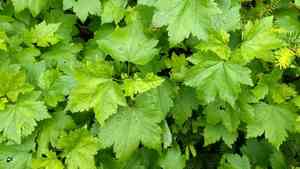
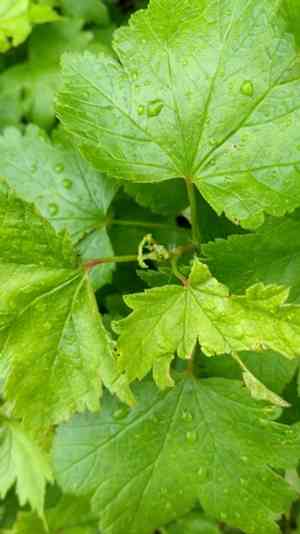
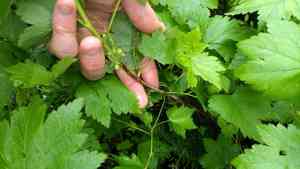
Images of Skunk currant
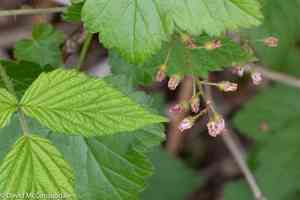
Quickly Identify Skunk currant
1
To identify Ribes glandulosum, look for its distinctive red berries, glandular-hairy stems, and palmate leaves which emit a skunk-like odor when crushed.
Scientific Classification of Skunk currant
Phylum
Vascular plants
Class
Dicotyledons
Order
Saxifragales
Family
Currant
Genus
Currants
Species
Skunk currant
Planting and Growing of Skunk currant
Care Difficulty
Easy
Watering Schedule
Every 4 days
Sunlight Requirements
Partial sun
Sunshine Duration
4-8 hours
Ideal Temperature
60-75℉
Soil Type
Potting Mix, Peat Mix
Soil pH
5-6.8
Fertilizer Type
Balanced
Pruning Season
Spring, Summer
Pruning Area
Branches, Leaves
Pruning Frequency
2 times a year
Repotting Season
Spring
Pot Type
Plastic, Ceramic
 How to Water Skunk currant?
When watering Ribes glandulosum, ensure the soil is thoroughly soaked but not waterlogged. Use about 250 milliliters of water, evenly distributed across the root area to reach a depth of at least a few inches, mimicking natural rain conditions.
What are the symptoms of an underwatered Skunk currant?
›
What should I do if my Skunk currant is not getting enough water?
›
What are the symptoms of an overwatered Skunk currant?
›
How to save an overwatered Skunk currant?
›
 What Are the Sunlight Requirements for Skunk currant?
Ribes glandulosum thrives best with partial sun, or around 4 to 6 hours, which provides sufficient light for photosynthesis while protecting from overexposure. This enhances overall plant health and promotes abundant berry production.
More About Sunlight Requirements Techniques→
Ideal Light Intensity
›
Optimal Placement
›
Benefits of Ideal Lighting
›
 What Is the Ideal Temperature Range for Skunk currant?
For optimal growth, Ribes glandulosum thrives in temperature ranges between 60°F and 75°F. This temperature range supports the plant's photosynthesis process effectively, leading to healthy growth and fruiting. Temperatures within this range ensure that the plant can efficiently uptake and utilize nutrients while minimizing stress from environmental factors.
 What Soil is Best for Skunk currant?
Ribes glandulosum thrives in moist yet well-drained soils. This ensures that the roots have enough access to water without becoming waterlogged, which helps prevent root rot and promotes healthy growth. Enriching the soil with organic matter, such as compost, greatly benefits Ribes glandulosum by providing essential nutrients which enhance growth, improve soil structure, and increase beneficial microbial activity in the soil. Ribes glandulosum prefers acidic to slightly acidic soils, with a pH range of 5.0 to 6.8, which allows optimal uptake of nutrients and promotes lush, healthy foliage and fruit production.
 How to Fertilize Skunk currant?
For Ribes glandulosum, fertilizer should be applied in moderation. Use a balanced fertilizer, typically 10-10-10, applying about 1 cup per plant for solid fertilizers. Liquid fertilizers should be diluted according to package instructions, typically mixing 1 tablespoon per gallon of water.
 How to Prune Skunk currant?
Begin by removing any dead, damaged, or diseased wood. This opens up the plant and improves air circulation, reducing the likelihood of infections. Identify and remove branches that cross each other or overcrowd the center. This helps light penetrate the interior, promoting more even growth and better fruiting. Cut back older stems selectively to encourage the development of new, more vigorous growth. This is especially important for fruit production, as younger branches tend to be more fruitful.
More About Pruning Techniques→
 How to Propagate Skunk currant plant?
1
Gather ripe berries from the Ribes glandulosum in the fall. Extract seeds by mashing the berries and washing them. Allow seeds to dry before storage or planting.
2
Select healthy, non-flowering stems for cuttings. Trim stems to a length of approximately 5-7 inches, ensuring to take the cut just below a node where root growth is most prolific.
3
Gently dig out the entire Ribes glandulosum clump, ensuring to maintain as much root mass as possible. Divide the plant into smaller sections, each containing roots and shoots, for replanting.
 How to Repot Skunk currant plant?
1
Repot Ribes glandulosum when you notice that the roots are circling the bottom of the pot, which indicates it's becoming root-bound. Another signal is reduced growth or soil that dries out extremely quickly, requiring more frequent watering.
2
Select a pot that is one size larger than the current one and ensure it has good drainage holes. This allows enough room for growth and prevents water logging, which can lead to root rot in this species.
3
Use well-draining acidic soil that retains some moisture without becoming waterlogged. An evergreen soil mix with added perlite provides the ideal aeration and drainage properties, keeping the roots healthy.



