How to Propagate Skunk currant?
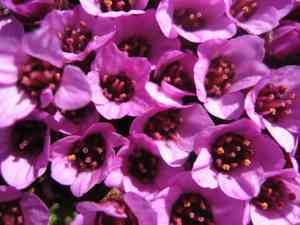
Skunk currant can be successfully multiplied by planting seeds. To encourage effective sprouting, immerse the seeds in water for a full day to soften their exterior, which improves water uptake. Plant them superficially in a potting blend that drains well, ensuring the soil remains consistently damp but not saturated. For best germination, expose the seeds to light instead of burying them deeply, as they need sunlight. Once they emerge, young plants should be slowly accustomed to external environments before being moved to their final spot.
Optimal Period for Skunk Currant Propagation
Propagation Method
Cutting
Propagation Period
Autumn,Winter
Tools Required for Skunk Currant Propagation
Sharp Pruning Shears
Crucial for obtaining clean, precise cuttings from skunk currant, sharp pruning shears help minimize harm to the parent plant and boost the likelihood of successful rooting. By ensuring a clean cut, these tools lessen the risk of disease and stress to the plant, which is vital for the well-being of both the cuttings and the parent plant.
Rooting Hormone Powder or Gel
This compound stimulates root development from skunk currant cuttings, enhancing the probability of successful propagation. Rooting hormone ensures that the cuttings form robust, healthy roots, which are essential for the establishment of a new plant. The application of rooting hormone is particularly advantageous given the specific requirements of skunk currant for strong root systems.
Sterilized Potting Mix
A clean, nutrient-rich substrate is essential for the proper root formation of skunk currant cuttings. Sterilized potting mix prevents the introduction of harmful pathogens that could damage vulnerable cuttings. This medium provides a controlled environment, supporting the health and growth of root systems during the critical initial phases of propagation.
Propagation Tray with Dome
These trays establish a regulated humidity and temperature setting, vital for the rooting process of skunk currant cuttings. The dome aids in maintaining consistent moisture levels, which is crucial for preventing cuttings from drying out, ensuring the successful establishment and growth of new plants. It's especially beneficial for managing multiple skunk currant cuttings simultaneously, making propagation more efficient.
Heating Mats
These mats assist in maintaining an ideal temperature range, which is critical for the root development of skunk currant cuttings. By providing consistent warmth, heating mats promote faster root growth, particularly important during colder months or in cooler climates, where propagation might otherwise be slow or unsuccessful.
How to Propagate Skunk Currant?
Propagation Type
Moderately Difficult
How to Care for Your Newly Propagated Skunk Currant?
How to Care for Your Newly Propagated Skunk Currant?
Once skunk currant cuttings have rooted and exhibit new growth, gradually introduce them to less humid conditions by removing the plastic cover if used. Relocate the pots to an area with bright, indirect light and keep the soil consistently moist. Skunk currant thrives in slightly acidic to neutral soil, rich in organic matter with good drainage. Avoid waterlogging to prevent root diseases. Regular fertilization with a balanced feed during the growing season will encourage healthier growth and fruit production.
Common Mistakes to Avoid When Propagating Skunk Currant
Overwatering
Watering skunk currant too often can lead to root rot, as the species prefers well-drained soil. Excessive moisture around the roots restricts oxygen access, causing them to decay and potentially kill the plant.
Deep planting
Planting skunk currant's cuttings or seeds too deeply can hinder germination or prevent young shoots from reaching the surface. This error can significantly reduce the success rate of propagation.
Neglecting humidity for cuttings
Failing to maintain high humidity when propagating skunk currant from cuttings can cause them to dry out. As skunk currant requires a moist environment for successful root development, low humidity can lead to desiccation and failure of cuttings.
Using old or diseased material
Propagating skunk currant using old or diseased plant material can transmit pathogens to the new plants, impeding growth and potentially leading to the spread of disease within your garden.
Tips For Propagating Skunk Currant
Use fresh, healthy cuttings
Ensure cuttings are taken from healthy, disease-free branches of skunk currant. This increases the chances of successful rooting and overall healthy growth of new plants.
Proper soil preparation
Prepare a soil mix that drains well yet retains enough moisture to support skunk currant during the early stages of growth. A mix of peat, perlite, and sand is often suitable for such purposes.
Control environment for cuttings
Keep cuttings of skunk currant in a controlled environment with high humidity and indirect light. This encourages the development of roots without the risk of the cuttings drying out.
Shallow planting
When planting seeds or transplanting cuttings of skunk currant, ensure they are not placed too deeply in the soil. A shallow placement allows for easier emergence of shoots and proper establishment of the plant.



