How to Transplant Skunk currant?
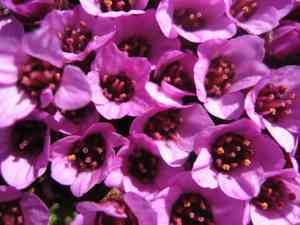
Relocate skunk currant during the garden's active period, spanning from early spring's thaw until the soil is thoroughly warmed. Select a location receiving filtered sunlight, and if offering advice is pertinent, bear in mind that roots prefer dampness but detest saturated conditions.
Essential Preparations Before Relocating Skunk Currant
Optimal Timing for Skunk Currant Relocation?
The best time to move your skunk currant is during nature's reawakening, from the end of frost until full bloom. At this point, skunk currant's dormant state lessens, providing an ideal chance for them to adjust to new spots without excessive strain. A smooth transition promotes strong root development, ensuring your skunk currant thrives with vigorous growth in the upcoming season.
Required Spacing Between Skunk Currant Plants?
When getting ready to rehome skunk currant, aim for a separation of approximately 3-5 feet (0.9-1.5 meters). This will provide your skunk currant ample room to flourish without competing for nutrients or sunlight.
Best Soil Blend for Skunk Currant Relocation?
Prior to moving skunk currant, prepare a soil environment that is rich and drains well. A foundational fertilizer like compost can be highly beneficial! Gently mix it into the soil to offer the roots a nutrient-rich welcome.
Where to Replant Your Skunk Currant?
For skunk currant, select a location that receives partial shade, as these perennials enjoy some sun exposure but also appreciate their rest in cooler, shaded parts of the day. Consider 'morning sun, afternoon shade' to keep skunk currant content.
Equipment Needed Before Transplanting Skunk Currant?
Gardening Gloves
To safeguard your hands while handling soil and the plant.
Shovel or Spade
For digging and moving earth.
Watering Can or Hose
To hydrate the plant before and after its move.
Hand Trowel
For more precise digging, especially useful for extracting skunk currant from containers or seedling trays.
Pruning Shears
To trim any damaged roots or excess foliage prior to transplanting.
Wheelbarrow or Plant Dolly
Helpful for transporting the skunk currant, particularly if it's a larger specimen.
Root Pruner or Saw
To cut through larger roots when removing the skunk currant from the ground, if necessary.
How to Extract Skunk Currant from the Soil?
How to Extract Skunk Currant from the Soil?
From Ground: First, water the skunk currant to moisten the soil. This facilitates digging and helps maintain the root ball's integrity. Use a shovel or spade to dig a wide circle around the plant, being careful not to harm the root system. Angle the tool to cut beneath the root ball, then lift the skunk currant from its original spot.From Pot: Water the skunk currant to dampen the soil and ease removal. Tilt the pot sideways and gently tap or press its sides to loosen the soil. Grasp the base of the skunk currant and gently rock it while pulling upwards to remove it from the pot without damaging the roots.From Seedling Tray: Moisten the soil in the tray to simplify the removal of the skunk currant without root damage. Use a hand trowel or your fingers to dig around the seedling, then gently lift the soil and root mass to prevent breakage.
Step-by-Step Guide for Relocating Skunk Currant
Preparation
Gather all listed tools and ensure water is accessible. Also, prepare the new site by digging a hole that's twice as wide and as deep as the skunk currant's root ball to allow for easy planting without root constriction. Clear the area of weeds and debris before starting the transplant process.
Removal
Follow the appropriate removal method for your skunk currant, depending on whether it's coming from the ground, a pot, or a seedling tray as previously described. Be gentle to minimize plant stress and damage.
Root Pruning
Examine the root ball and use pruning shears or a root pruner to trim any damaged or overly long roots. This promotes the growth of new, healthy roots after transplanting.
Planting
Position the skunk currant in the center of the prepared hole, spreading its roots outwards. Adjust the depth so the top of the root ball is level with the surrounding soil surface. Backfill the hole with soil, gently tamping it down to eliminate air pockets and ensure good root-to-soil contact.
Watering
Once skunk currant is planted, water it thoroughly to settle the soil around the roots and help reduce transplant shock.
Support
If the skunk currant is top-heavy or vulnerable to wind, provide stakes or other supports to keep it upright.
Post-Transplant Care for Skunk Currant
Monitoring
Check the skunk currant daily for signs of transplant shock, such as wilting or yellowing leaves.
Adjustments
Ensure support systems are stable and adjust as necessary.
Mulching
Apply a layer of mulch around the base of skunk currant to help retain soil moisture and regulate soil temperature.
Additional Watering
While avoiding overwatering, keep the soil moist to encourage root establishment for the first few weeks post-transplant.
Protection
Shield the newly transplanted skunk currant from extreme conditions, such as intense sun, wind, or heavy rain, when possible during the initial acclimatization stages.
Assessment of Growth
After a few weeks, look for new growth, which indicates a successful transplant.
Resolving Common Issues with Skunk Currant Transplantation.
How do I select the best time to transplant skunk currant?
Aim for a period between early spring and late spring when the soil is workable and the weather is mild.
What's the correct spacing needed when transplanting skunk currant?
Allow skunk currant ample room to thrive by spacing transplants about 3-5 feet (90-150 cm) apart.
Why is my skunk currant wilting after transplanting?
Wilting can be a symptom of transplant shock. Ensure sufficient watering, avoid direct sun initially, and protect from strong winds.
How do I prepare the soil for transplanting skunk currant?
Enrich the soil with organic matter and ensure it's well-draining to provide a healthy foundation for skunk currant.
How deep should I plant skunk currant during transplantation?
The root ball should be level with the ground, in a hole twice as wide to encourage root growth.
Can I transplant skunk currant on a hot, sunny day?
It's best to transplant on a cloudy day or in the evening to reduce stress and prevent dehydration.
What's the proper way to water skunk currant after transplanting?
Water deeply after planting to settle the soil, and keep the soil consistently moist but not waterlogged.
Should I prune skunk currant when transplanting?
Minimal pruning is recommended to remove damaged parts, but allow skunk currant to establish before extensive pruning.
How do I know if skunk currant has root rot after transplanting?
Look for blackened roots and a decaying smell. Proper drainage and avoiding overwatering are key preventive measures.
Can I fertilize skunk currant immediately after transplanting?
Wait a few weeks before fertilizing to allow skunk currant to settle, then fertilize lightly to encourage growth.



