How to Prune Skunk currant?
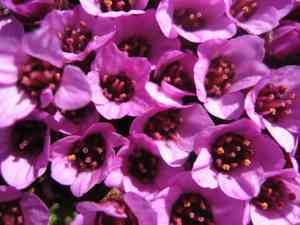
Regarding skunk currant, a bush recognized for its strong-smelling fruit, trimming ought to concentrate on eliminating lifeless or ailing branches, and fostering air movement. The perfect time for cutting is from late winter to early spring, prior to the emergence of new shoots. Reducing the number of older stalks improves berry output. Trimming additionally preserves a preferred form and averts excessive density, which is vital for the well-being and harvest of skunk currant. Always employ sharp, sanitized implements to execute precise cuts and lessen strain on the plant.
What Are the Benefits of Pruning Skunk Currant?
What Are the Benefits of Pruning Skunk Currant?
Trimming skunk currant promotes robust development and maintains its desired form. This method helps stimulate fresh growth, leading to a fuller, healthier plant structure. Pruning also allows the gardener to manage the size and shape of skunk currant, ensuring it fits well within the garden space and aesthetic.
What Is the Best Time for Pruning Skunk Currant?
What Is the Best Time for Pruning Skunk Currant?
Late winter and early spring are optimal for pruning skunk currant because it is dormant during these periods. Pruning while skunk currant is inactive minimizes plant stress, reduces disease transmission risk, and prevents cutting off new shoots. Additionally, pruning before spring growth begins allows gardeners to easily shape the plant, as the absence of leaves provides better visibility. This timing also precedes skunk currant's flowering and fruiting cycles, ensuring energy is directed towards producing a healthy flush of flowers and fruit in the upcoming season.
What Tools Do I Need to Prune Skunk Currant?
Hand Pruners
Crucial for making precise cuts on smaller stems and branches of skunk currant, facilitating healthy regrowth.
Loppers
Perfect for reaching into the denser parts of skunk currant and for cutting thicker branches that hand pruners cannot manage.
Pruning Saw
Required for removing any old or thick wood too large for loppers, ensuring efficient cutting without harming skunk currant.
Gardening Gloves
Important for safeguarding hands from thorns and sap while trimming skunk currant.
How to Prune Skunk Currant
Disinfect Tools
Before beginning to prune skunk currant, sanitize all cutting implements to prevent disease spread. Use a solution of 1 part bleach to 9 parts water or rubbing alcohol to clean the blades.
Remove Diseased Leaves
Carefully inspect skunk currant for any ailing leaves. Using your disinfected pruning tools, snip off these leaves at their base, being careful not to harm healthy foliage.
Prune Withered Leaves
Identify any shriveled or dead leaves on skunk currant, and gently remove them by hand or with pruning shears. This helps improve air circulation and light penetration to the plant's healthier sections.
Cut Dead Branches
Look for dead branches on skunk currant, which may appear dry, brittle, and show no signs of green growth. Prune these branches back to their origin point or to a healthy lateral bud using a clean, sharp cut.
Trim Diseased Branches
Finally, address any diseased branches on skunk currant by cutting them back to healthy tissue. Ensure cuts are made at least a few inches below the affected area to eliminate all diseased parts.
Common Pruning Mistakes with Skunk Currant
Over-Pruning
Removing too much growth can damage skunk currant, as it relies on its foliage for photosynthesis and can become stressed if excessively pruned.
Improper Cutting
Incorrect cutting methods, such as tearing stems or leaving stubs, can lead to disease and pest problems for skunk currant.
Pruning For Shape Alone
Focusing only on the shape and neglecting the plant's health requirements can result in a less vigorous skunk currant.
Ignoring Dead Material
Failing to remove dead or diseased wood can impede skunk currant's growth and spread illness to healthy sections of the plant.
Disregarding Branch Size
Cutting branches that are too large or too small indiscriminately can harm skunk currant's natural structure and healing process.
Common Pruning Tips for Skunk Currant
Clean Tools
Use sanitized pruning shears to prevent the spread of disease to skunk currant.
Angled Cuts
Make clean, angled cuts just above buds to encourage proper healing and direct new growth outwards.
Thinning
Thin out dense areas to enhance air circulation and light penetration, which is vital for the health of skunk currant.
Timing
Prune at the appropriate time for skunk currant to ensure the best flowering and growth response.
Gradual Pruning
Prune gradually over several seasons if extensive cutting back is necessary to avoid shocking skunk currant.
Protective Pruning
Leave some old growth to shield skunk currant against weather extremes and support abundant fruit production.



