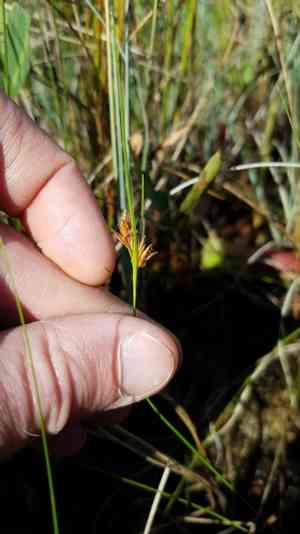
Brown beak-sedge (Rhynchospora fusca)
Also known as: brown beak-sedge
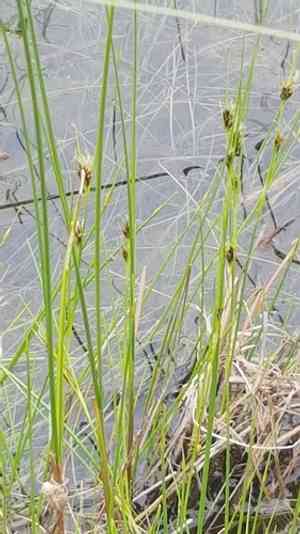
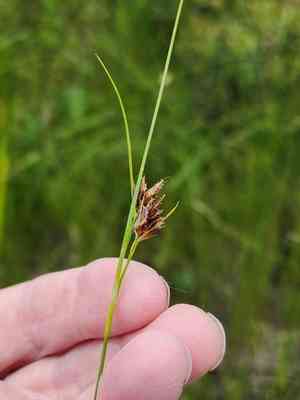
Brown beak-sedge is easily recognized by its thin, erect stems and brownish spikelets, often forming tufts. It predominantly grows in wet, acidic soils found in open marshes, bogs, and near pond edges. The plant is well-adapted to thrive in these challenging, waterlogged conditions where many other species cannot. Its fibrous roots help secure it in the moist soil, supporting both the plant and the surrounding ecosystem. The dark seeds are adapted for dispersal in watery environments.
In This Article
Attributes of Brown beak-sedge
Lifespan
Perennial
Plant Type
Grass
Plant Height
15 cm to 41 cm
Spread
10-30 cm
Leaf Color
Green
Flower Size
Not applicable (sedge)
Flower Color
Brown
Images of Brown beak-sedge
Quickly Identify Brown beak-sedge
1
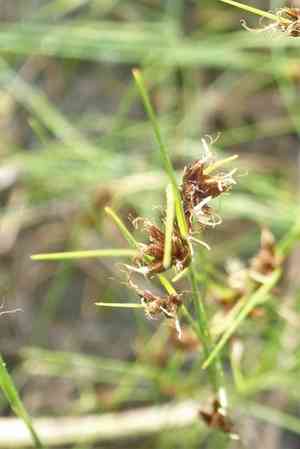
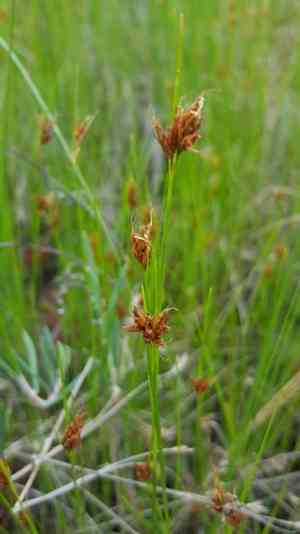
Rhynchospora fusca can be identified by its dark brown, beaked spikelets that give it its common name. The plant also has narrow, grass-like leaves and typically grows in tufts.
Scientific Classification of Brown beak-sedge
Phylum
Vascular plants
Class
Monocotyledons
Order
Poales
Family
Sedge
Genus
Beak-rushes
Species
Brown beak-sedge
Planting and Growing of Brown beak-sedge
Care Difficulty
Moderate
Watering Schedule
Every 4 days
Sunlight Requirements
Partial sun
Sunshine Duration
4-8 hours
Ideal Temperature
60-77℉
Soil Type
Potting Mix, Peat Mix
Soil pH
4.5-6.5
Fertilizer Type
Balanced
Pruning Season
Spring, Summer
Pruning Area
Branches, Leaves
Pruning Frequency
Once a year
Repotting Season
Spring
Pot Type
Plastic, Ceramic
 How to Water Brown beak-sedge?
Rhynchospora fusca prefers consistently moist conditions, but not waterlogged. The ideal amount is around 150ml per watering, ensuring the soil feels damp but not soggy. It's important to allow the top centimeter of the soil to dry out slightly between waterings to prevent root rot.
What are the symptoms of an underwatered Brown beak-sedge?
›
What should I do if my Brown beak-sedge is not getting enough water?
›
What are the symptoms of an overwatered Brown beak-sedge?
›
How to save an overwatered Brown beak-sedge?
›
 What Are the Sunlight Requirements for Brown beak-sedge?
Thriving under partial sun conditions, Rhynchospora fusca enjoys a balanced light. Proper lighting stimulates chlorophyll production, resulting in strong, lush growth.
What type of sunlight does Rhynchospora fusca prefer?
›
How can I ensure my Rhynchospora fusca gets the right lighting?
›
What benefits does ideal lighting bring to Rhynchospora fusca?
›
 What Is the Ideal Temperature Range for Brown beak-sedge?
The ideal temperature range for Rhynchospora fusca is between 60 and 77 degrees Fahrenheit. Temperatures within this range promote optimal growth, ensuring that the plant's metabolic processes are functioning well without any thermal stress.
 What Soil is Best for Brown beak-sedge?
Rhynchospora fusca thrives in consistently moist soil, often found in wetland habitats. This moisture level ensures adequate water supply, supporting healthy growth and vibrant foliage. This plant prefers soil rich in organic matter, which provides essential nutrients. Such richness enhances soil structure, improves water retention, and supplies necessary nutrients for robust plant health. The soil should have minimal competition from other plants, allowing Rhynchospora fusca to flourish. This ensures the plant receives optimal access to nutrients and sunlight, promoting stronger growth.
 How to Fertilize Brown beak-sedge?
The ideal fertilizer amount for Rhynchospora fusca should be moderate to avoid overwhelming its delicate root system. A balanced 10-10-10 liquid fertilizer is recommended, with a dilute solution at the rate of 1 tablespoon per gallon of water for liquid feeding. For granulated fertilizers, apply a thin layer, approximately 1/4 cup per square foot of soil area in early spring for optimal growth.
 How to Prune Brown beak-sedge?
Start by identifying any dead or damaged stems and leaves. These should be the first to be removed to help redirect the plant's energy to healthier parts. Carefully trim any overgrown sections to maintain the desired shape and size of the plant. Pruning will help improve air circulation and light penetration, keeping the plant vibrant. Pinch back new growth tips to encourage bushier growth. This technique enhances the plant's fullness and appearance, stimulating the production of new shoots.
More About Pruning Techniques→
 How to Propagate Brown beak-sedge plant?
1
Start by collecting seeds from mature Rhynchospora fusca plants during late autumn. Clean the seeds to remove any pulp or debris. For optimal germination, stratify seeds in moist sand for several weeks in a cool environment to mimic winter conditions.
2
Fill seed trays with a mixture of peat and sand to ensure good drainage. Sow seeds on the surface and lightly press them into the soil. Mist the soil to keep it moist but not waterlogged, and place the tray in a well-lit area with indirect sunlight.
3
In early spring, divide mature clumps of Rhynchospora fusca. Use a sharp knife or spade to carefully separate the plant into sections, ensuring each section has roots and shoots. Replant each section in a prepared bed with similar soil conditions.
 How to Repot Brown beak-sedge plant?
1
Rhynchospora fusca shows it's time for a new pot when roots start emerging from drainage holes or the plant appears root-bound. Spring, Summer, and Autumn are ideal seasons as they provide optimal growth conditions, facilitating stress recovery.
2
Opt for a slightly larger pot with ample drainage holes to prevent waterlogging. Ensure the pot's material accommodates moisture retention without evaporation issues. Good drainage and appropriate pot size promote healthy root development and reduce the risk of over-watering.
3
Prioritize a well-draining, acidic soil mix to mimic the plant's natural environment. Ensure the inclusion of organic matter, enhancing nutrient availability and soil aeration. An ideal mix ensures robust growth and prevents root rot by optimizing moisture management.
Learn More About Brown beak-sedge Diseases
Anthracnose
Bacterial Leaf Spot
Bacterial Soft Rot
Bacterial Wilt
Chemical Injury
Cyst Nematode
Damping-off
Downy Mildew
Drought Stress
Fusarium Wilt
Gray Mold
Leaf Spot
Mosaic
Nutrient Deficiency
Nutrient Toxicity
Powdery Mildew
Root Rot
Root-knot Nematode
Rusts
Sooty Mold
Spider Mites
Temperature Stress
Thrips Damage
White Mold



