How to Propagate Brown beak-sedge?
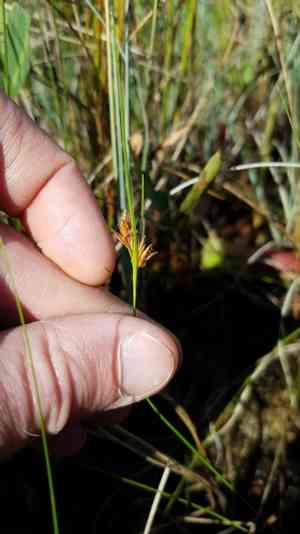
Schoenus nigricans, a perennial sedge, inhabits wetlands and flourishes in damp, acidic substrates. Optimal propagation entails separating established clusters, making sure every segment possesses adequate root and shoot systems. Place these divisions in comparable aquatic settings, preserving soil hydration to facilitate their rooting. Consistent oversight of water conditions is vital for robust development. Understanding the natural environment and ground requirements of Schoenus nigricans guarantees successful propagation.
Optimal Time for Brown Beak-sedge Propagation
Propagation Method
Division
Propagation Period
Spring,Autumn
Tools Required for Brown Beak-sedge Propagation
Spade or Garden Fork
Utilized for carefully lifting and separating brown beak-sedge clumps. This instrument is crucial for minimizing root damage and ensuring robust divisions.
Garden Knife or Hori Hori Knife
Perfect for precisely cutting through the roots and rhizomes when dividing brown beak-sedge. Its sharp edge ensures clean cuts, reducing infection or disease risk.
Pots and Containers
Essential for replanting the separated brown beak-sedge sections. Ensure these vessels have sufficient drainage holes to prevent waterlogging, which can harm the plant.
Rooting Hormone
Applying a rooting hormone to brown beak-sedge divisions can stimulate quicker and stronger root growth. This is especially beneficial when propagating in less-than-ideal conditions.
Watering Can with Fine Rose
Delivers a gentle spray to newly potted brown beak-sedge divisions, helping to settle the soil around the roots without dislodging them.
Mulch
Used to cover the soil surface around newly potted brown beak-sedge to retain moisture and suppress weeds. Organic mulches like straw or leaf mold are ideal.
Labels and Garden Markers
Crucial for tracking different divisions and their propagation dates. This aids in monitoring progress and provides valuable records for future reference.
How to Propagate Brown Beak-sedge?
Propagation Type
Easy
Caring for Your Newly Propagated Brown Beak-sedge
Caring for Your Newly Propagated Brown Beak-sedge
Post-propagation, ensure brown beak-sedge resides in an environment mimicking its natural habitat. Provide consistent moisture through regular watering, but avoid waterlogging. Position in a spot with partial to full sunlight. Monitor for pests and diseases, addressing them promptly. Fertilize sparingly, if necessary, using a balanced, diluted fertilizer. Periodically inspect the plant and remove any dead or damaged foliage to encourage healthy development.
Common Errors to Avoid When Propagating Brown Beak-sedge
Overwatering
Roots may decay, leading to poor plant health and unsuccessful propagation.
Inadequate Light
Insufficient sunlight can result in weak, elongated growth and hindered propagation.
Improper Soil
Using the wrong soil type can impede water drainage and nutrient absorption.
Neglecting Transplant Shock
Failure to acclimate new plants can cause transplant shock, stunting growth or leading to death.
Crowding
Planting too closely can lead to competition for resources, resulting in poor growth.
Tips For Propagating Brown Beak-sedge
Adequate Watering
Ensure soil remains consistently moist but not waterlogged to promote healthy root development.
Sufficient Lighting
Provide ample sunlight or bright indirect light to support strong, vigorous growth.
Appropriate Soil
Utilize well-draining, acidic soil to support the plant's specific requirements.
Acclimatize Seedlings
Gradually introduce new plants to the outdoor environment to lessen transplant shock.
Proper Spacing
Maintain adequate distance between plants to ensure each has access to necessary nutrients and light.



