How to Prune Brown beak-sedge?
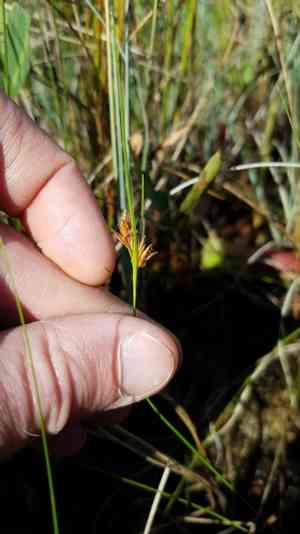
Distinguished by its unique brown, beak-shaped seed structures and grassy look, brown beak-sedge thrives with trimming mainly in late winter or early spring. Remove any lifeless or injured stalks to encourage fresh development and preserve the plant's well-being. Trimming also aids in controlling this species' expansion and fosters a neater aesthetic. Make certain all cuts are precise and positioned directly above a growth point. Consistent trimming promotes vigorous growth and prevents excessive density, boosting its decorative appeal and strength.
What Are the Benefits of Pruning Brown Beak-sedge?
What Are the Benefits of Pruning Brown Beak-sedge?
Trimming brown beak-sedge helps maintain its form, stimulates robust development, and prevents excessive density. Regular cutting can lower the risk of pests and diseases by eliminating dead or damaged stems, making brown beak-sedge more resilient and visually appealing.
What Is the Best Time for Pruning Brown Beak-sedge?
What Is the Best Time for Pruning Brown Beak-sedge?
Early spring and winter are optimal periods for pruning brown beak-sedge. Pruning in early spring allows the plant to recover and grow vigorously as it enters its active phase. This timing ensures the plant's energy is directed into new growth, leading to a healthier, more robust structure. Winter is also suitable as the plant is dormant, minimizing stress and reducing disease transmission. Additionally, winter pruning helps shape the plant before spring growth, offering a chance to remove dead or diseased material.
What Tools Do I Need to Prune Brown Beak-sedge?
Hand Pruners
Perfect for trimming small, delicate stems of brown beak-sedge, enabling precise cuts without harming the plant. Choose bypass pruners for clean cuts.
Long-handled Shears
Useful for efficiently cutting larger sections of brown beak-sedge, especially if the plant has overgrown areas needing management.
Pruning Knife
Suitable for detailed work on brown beak-sedge, such as removing damaged or diseased parts. A sharp knife ensures clean cuts, promoting better healing.
Gloves
Essential for hand protection when working with brown beak-sedge, particularly when handling tough or sharp stems.
How to Prune Brown Beak-sedge
Prep tools
Ensure your pruning shears or scissors are clean and sharp to prevent plant damage and disease spread.
Inspect plant
Carefully examine brown beak-sedge for any diseased or withered leaves. Look for signs of discoloration, spots, or wilting.
Remove diseased leaves
Cut away any diseased leaves with your pruning tools, making clean cuts to stop disease spread. Dispose of these leaves properly to avoid contamination.
Remove withered leaves
Trim off any withered leaves at their base, being careful not to harm healthy plant parts. This improves air circulation and overall plant health.
Clean area
After pruning, clear away trimmed leaves and fallen debris from around brown beak-sedge to maintain a tidy growing environment and reduce pest and disease risk.
Common Pruning Mistakes with Brown Beak-sedge
Improper Technique
A common error is using an incorrect cutting method. Bad cuts can damage stems, making brown beak-sedge susceptible to disease and pest infestations.
Over-Pruning
Another frequent mistake is excessive pruning. Removing too much foliage can stress brown beak-sedge and impede its growth, reducing its ability to photosynthesize effectively.
Under-Pruning
Conversely, insufficient pruning can result in a cluttered, unhealthy plant structure. This restricts air circulation and can encourage fungal infections.
Incorrect Tool Use
Using dull or dirty pruning tools can cause jagged cuts and introduce pathogens to brown beak-sedge. Always ensure tools are sharp and sterilized before use.
Ignoring Dead/ Diseased Parts
Failing to remove dead or diseased parts can allow problems to spread throughout brown beak-sedge, affecting overall plant health.
Common Pruning Tips for Brown Beak-sedge
Use Clean, Sharp Tools
Always use clean, sharp pruning shears or scissors for precise cuts. This minimizes tear damage and infection risk.
Cut at the Right Angle
Make cuts at a 45-degree angle to promote healthy wound healing and prevent water from accumulating on the cut surface.
Prune Moderately
Exercise restraint when pruning. Remove only what is necessary to maintain plant health and shape. Typically, trimming about one-third of the plant is a safe guideline.
Focus on Dead or Weak Stems
Prioritize removing dead, dying, or weak stems. This encourages stronger growth and better air circulation within brown beak-sedge.
Disinfect Tools Between Cuts
To prevent disease spread, disinfect your tools between cuts, especially when dealing with diseased plant material. Rubbing alcohol or a bleach solution can be useful for this purpose.
Make Consistent Maintenance a Habit
Regular, light pruning is preferable to infrequent, heavy pruning. Consistent maintenance helps brown beak-sedge remain healthy and well-structured.



