How to Transplant Brown beak-sedge?
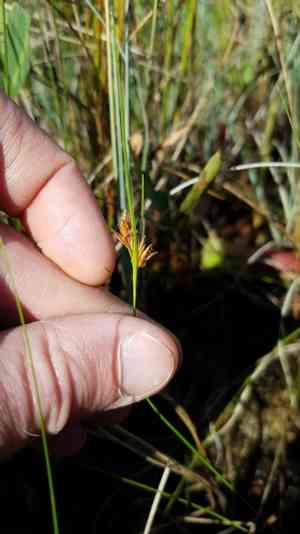
Relocating brown beak-sedge is most effective from the beginning to the end of spring, as this period offers prime conditions for fresh development. Select a spot that receives full sun to partial shade, featuring damp, adequately draining earth for the finest outcome. Verify that the area stays uniformly hydrated to ensure successful rooting.
What Preparations are Needed Before Transplanting Brown Beak-sedge?
What is the Ideal Time for Transplanting Brown Beak-sedge?
Moving brown beak-sedge during the prime period of early to late spring ensures the plant benefits from milder temperatures and consistent moisture. This timing allows roots to establish before the hotter summer months, promoting stronger growth and resilience. Proper timing enhances successful establishment and longevity for this perennial species.
How Much Space Should You Leave Between Brown Beak-sedge Plants?
When relocating brown beak-sedge, aim for a spacing of approximately 12-18 inches (30-45 cm) between plants. This provides adequate room for growth and prevents overcrowding.
What is the Best Soil Mix for Brown Beak-sedge Transplanting?
Prepare a soil mixture that is sandy to loamy, ensuring it drains effectively. Incorporating a base fertilizer rich in organic matter, such as compost, can supply the necessary nutrients for brown beak-sedge.
Where Should You Relocate Your Brown Beak-sedge?
Select a sunny location that receives full to partial sun exposure (at least 4-6 hours of daily sunlight) for transplanting brown beak-sedge. This will help the plant flourish and develop healthily.
What Equipments Should You Prepare Before Transplantation Brown Beak-sedge?
Gardening Gloves
To safeguard your hands while handling soil and plants.
Trowel
For digging small holes and lifting plants from the ground or containers.
Shovel or Spade
To excavate larger trenches or holes and move heavier plants.
Watering Can
To hydrate the plant before and after its relocation.
Pruning Shears
To trim any damaged roots or foliage during the transplanting process.
Garden Fork
To loosen the soil around the plant when it's in the ground.
Wheelbarrow
To transport the plant to its new site if it is large or heavy.
Mulch
To apply around the plant in its new spot to help retain moisture.
How Do You Remove Brown Beak-sedge from the Soil?
How Do You Remove Brown Beak-sedge from the Soil?
From Ground: First, water the brown beak-sedge plant to moisten the soil. Then, dig a wide trench around the plant using a shovel or spade, ensuring the plant's root ball remains intact. Carefully work the spade under the root ball to lift the plant from its original location.From Pot: Water the brown beak-sedge plant thoroughly to dampen the soil. Tap the sides of the pot to loosen the soil, then gently tip the pot to remove the plant. If the plant resists, use a trowel to help loosen the sides.From Seedling Tray: Water the seedlings lightly. Use a small trowel or your fingers to gently lift seedlings from the tray, making sure to support the root ball and avoid damaging the roots.
Step-by-Step Guide for Transplanting Brown Beak-sedge
Prepare the New Location
Prepare the new planting hole so it's ready when you move the brown beak-sedge. It should be twice the width of the plant's root ball and equally deep.
Remove the Plant
Carefully remove the brown beak-sedge from its original location, following the appropriate method depending on whether it's in the ground, a pot, or a seedling tray.
Check Roots
Inspect the roots for any signs of disease or damage. Trim any unhealthy roots with pruning shears.
Place in New Location
Gently place the brown beak-sedge in the prepared hole. Ensure the top of the root ball is level with the surrounding soil surface.
Fill and Firm Soil
Backfill the hole with soil, pressing it down gently but firmly around the root ball to eliminate air pockets and ensure good soil contact.
Water Thoroughly
Water the brown beak-sedge thoroughly to settle the soil around the roots and provide initial moisture.
How Do You Care For Brown Beak-sedge After Transplanting?
Watering
Keep the soil around the brown beak-sedge consistently moist, but not soggy, for the first few weeks after transplanting to help establish strong roots.
Mulching
Apply a layer of mulch around the base of the plant to retain moisture, regulate soil temperature, and minimize weeds.
Monitoring
Regularly check the plant for signs of stress or disease. Early intervention can help address any issues before they become serious.
Protection
If you're transplanting in an area with harsh weather, consider providing temporary shade or wind protection until the plant is established.
Troubleshooting Common Issues with Brown Beak-sedge Transplantation.
When is the best time to transplant brown beak-sedge?
Relocate brown beak-sedge from early spring to late spring for optimal results.
What spacing should I maintain when transplanting brown beak-sedge?
Ensure to space brown beak-sedge plants 12-18 inches (30-45 cm) apart for optimal growth.
How should I prepare the soil for brown beak-sedge transplanting?
Use well-draining soil, enriched with organic matter for the healthy growth of brown beak-sedge.
How deep should I plant brown beak-sedge during the transplant?
Plant brown beak-sedge at the same depth it was growing in its previous location.
Which tools do I need for transplanting brown beak-sedge?
Use a hand trowel or small shovel to carefully dig up and replant brown beak-sedge.
How should I water brown beak-sedge after transplanting?
Water brown beak-sedge thoroughly after transplanting and keep the soil consistently moist for the first few weeks.
Can I transplant brown beak-sedge in full sun locations?
Yes, brown beak-sedge thrives well in locations with full sun exposure.
What should I do if brown beak-sedge shows transplant shock symptoms?
Provide ample water, reduce sunlight exposure temporarily, and consider using a plant starter solution.
Do brown beak-sedge plants need fertilization after transplanting?
A light application of balanced fertilizer can help brown beak-sedge establish after transplanting.
How soon can I expect brown beak-sedge to recover after transplanting?
Brown beak-sedge typically takes a few weeks to a couple of months to fully establish.



