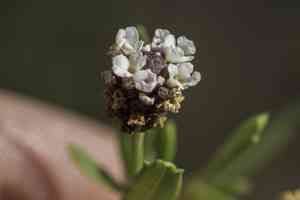
Wedgeleaf (Phyla cuneifolia)
Also known as: Lippia, Aztec sweet herb
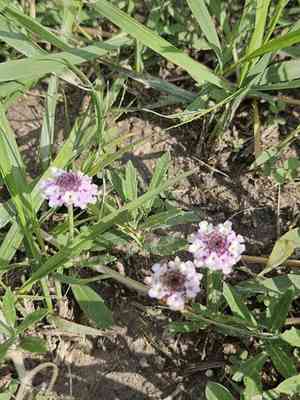
Wedgeleaf, a perennial herb native to arid and semi-arid areas, exhibits several adaptations for survival in such harsh climates. Its distinctive wedge-shaped leaves are designed to minimize water loss, enhancing its drought resilience. The plant's small, pink to purple flowers not only add a touch of color to its environment but also play a crucial role in attracting pollinators, thereby supporting local biodiversity. Additionally, Wedgeleaf's spreading growth habit helps it maximize moisture absorption from a wider area, further contributing to its ability to thrive in dry conditions.
In This Article
Attributes of Wedgeleaf
Lifespan
Perennial
Plant Type
Herb, Shrub
Plant Height
0 mm to 30 cm
Spread
Up to 0.5 meters
Leaf Color
Green
Flower Size
0.5 to 1 cm
Flower Color
White or light pink
Images of Wedgeleaf
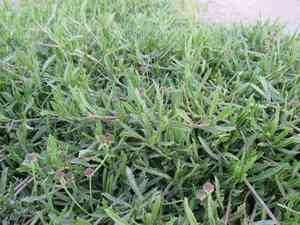
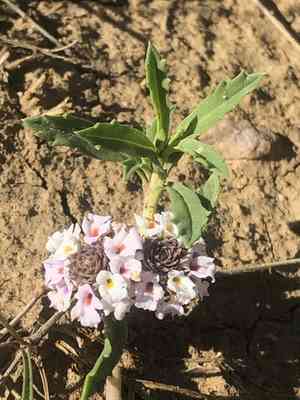
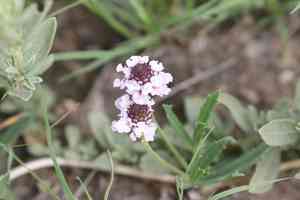
Quickly Identify Wedgeleaf
1
Identifying Phyla cuneifolia involves looking for its small, clustered flowers, oval leaves with a pointed tip, and a trailing, spreading habit. It often grows in moist, sunny locations.
Scientific Classification of Wedgeleaf
Phylum
Vascular plants
Class
Dicotyledons
Order
Lamiales
Family
Verbena
Genus
Fogfruit
Species
Wedgeleaf
Planting and Growing of Wedgeleaf
Care Difficulty
Easy
Watering Schedule
Every 3 days
Sunlight Requirements
Full sun
Sunshine Duration
6-10 hours
Ideal Temperature
68-77℉
Soil Type
Potting Mix, Peat Mix
Soil pH
6.5-7.5
Fertilizer Type
Balanced
Pruning Season
Spring, Summer
Pruning Area
Branches, Leaves
Pruning Frequency
2 times a year
Repotting Season
Spring
Pot Type
Terracotta, Plastic
 How to Water Wedgeleaf?
When watering Phyla cuneifolia, ensure the soil is saturated but not waterlogged. This plant appreciates soil that is moist; however, be careful not to let the roots sit in standing water. It's best to distribute around 200 milliliters evenly across the base until the soil feels moist to the touch.
What are the symptoms of an underwatered Wedgeleaf?
›
What should I do if my Wedgeleaf is not getting enough water?
›
What are the symptoms of an overwatered Wedgeleaf?
›
How to save an overwatered Wedgeleaf?
›
 What Are the Sunlight Requirements for Wedgeleaf?
Phyla cuneifolia prefers a light exposure range from full sun to partial sun. Ideal lighting enhances its growth, robustness, and resistance to pests, resulting in a lush, healthy plant.
How much sunlight does Phyla cuneifolia need?
›
What is the best way to ensure Phyla cuneifolia gets ideal light exposure?
›
What are the benefits of providing ideal light conditions for Phyla cuneifolia?
›
 What Is the Ideal Temperature Range for Wedgeleaf?
For optimal growth, Phyla cuneifolia thrives best within a temperature range of 68 to 77 °F. Within this range, the plant can effectively carry out photosynthesis and nutrient absorption, ensuring robust health and vibrant bloom. Maintaining these temperatures will help in facilitating proper physiological processes in the plant.
 What Soil is Best for Wedgeleaf?
Phyla cuneifolia thrives in well-drained soil, which prevents waterlogging and root rot. Ensuring proper drainage improves root health and optimizes nutrient uptake, fostering robust growth and vibrant foliage. This plant prefers soils with moderate nutrient levels. Overly rich soil can lead to weak, spindly growth, while too little nutrition may stunt development. Balanced nutrients support healthy plant function and rich green foliage. Phyla cuneifolia tolerates slight alkalinity, enhancing its access to essential nutrients like calcium. This pH range optimizes photosynthesis and promotes strong structural integrity, helping the plant maintain resilience.
 How to Fertilize Wedgeleaf?
For Phyla cuneifolia, the amount of fertilizer should be moderate. Apply a balanced liquid fertilizer diluted to half strength, about 10-15 ml per liter of water for each application. This ensures that the plant receives enough nutrients without the risk of over-fertilization.
 How to Prune Wedgeleaf?
Begin by removing any dead or diseased branches to prevent infection spread. Then, trim back leggy or overgrown stems to encourage a bushier appearance. Focus on maintaining symmetry in the plant's shape for optimal aesthetics and health. Make cuts just above a node to stimulate new growth. Use sharp, sterilized pruners to avoid damaging the plant.
More About Pruning Techniques→
 How to Propagate Wedgeleaf plant?
1
Begin by filling the seed tray with a well-drained seed-starting mix. Evenly scatter the Phyla cuneifolia seeds on the surface and lightly cover them with soil. Keep the soil consistently moist and place the tray in a warm, bright location to encourage germination.
2
Using shears, cut a healthy stem of about 4-6 inches from the parent plant. Remove the lower leaves and dip the cut end in rooting hormone to enhance root development. Plant the cutting in a pot filled with a moistened potting mix, and cover it with a plastic bag to retain humidity.
3
Gently dig up a mature Phyla cuneifolia plant and divide it into smaller sections using a sharp knife or spade. Ensure each section has roots attached. Replant these sections at the same depth they were previously growing, and water thoroughly to eliminate air pockets.
 How to Repot Wedgeleaf plant?
1
Phyla cuneifolia should be repotted when you observe roots emerging from the drainage holes or when the plant seems to outgrow its current container. These signs indicate that it needs more space to thrive.
2
Choose a pot that is the next size up from the current one. Ensure it has sufficient drainage holes to prevent waterlogging. A well-chosen pot provides adequate space for root expansion and contributes to optimal plant health.
3
Use a well-draining potting mix, ideally containing sand or perlite. This type of soil prevents root rot by allowing excess water to escape, maintaining the right level of moisture for Phyla cuneifolia.
Learn More About Wedgeleaf Diseases
Anthracnose
Bacterial Leaf Spot
Bacterial Soft Rot
Bacterial Wilt
Chemical Injury
Crown Gall
Cyst Nematode
Damping-off
Downy Mildew
Drought Stress
Fusarium Wilt
Gray Mold
Leaf Curl
Leaf Spot
Mosaic
Nutrient Deficiency
Nutrient Toxicity
Powdery Mildew
Root Rot
Root-knot Nematode
Rusts
Sooty Mold
Spider Mites
Temperature Stress
Thrips Damage
White Mold



