How to Prune Wedgeleaf?
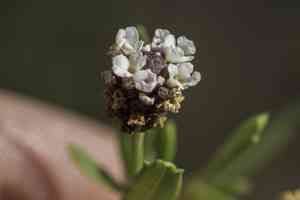
Wedgeleaf, recognized for its robust development and characteristic wedge-like foliage, necessitates trimming to preserve its well-being and visual charm. Optimal periods for pruning are during spring, summer, and early autumn to stimulate new growth and improve leaf fullness. Consistent removal of deceased or excessively long branches encourages superior air circulation and light exposure, which are vital for the plant's vigor. Trimming also aids in sculpting the plant and managing its dimensions, especially significant in garden environments for upholding design coherence.
What Are the Benefits of Pruning Wedgeleaf?
What Are the Benefits of Pruning Wedgeleaf?
Trimming wedgeleaf promotes robust development and maintains its desired form. Regular cutting helps redirect energy to healthier limbs, boosting overall vitality and look.
What Is the Best Time for Pruning Wedgeleaf?
What Is the Best Time for Pruning Wedgeleaf?
For wedgeleaf, the optimal seasons for pruning are Spring, Summer, and Fall. Spring pruning revitalizes wedgeleaf post-dormancy, encouraging strong new growth and enhancing the plant's health and appearance. During Summer, pruning aids in shape maintenance and the removal of any unhealthy or overgrown sections, which is vital for proper airflow and sunlight penetration, crucial for the plant's well-being. Pruning in Fall is strategic to prepare wedgeleaf for the upcoming winter, eliminating any parts that might suffer damage from cold weather or pests, thereby lowering the risk of disease and stress on the plant.
What Tools Do I Need to Prune Wedgeleaf?
Hand Pruners
Perfect for cutting back dead or overgrown stems in wedgeleaf, as this species often displays dense, woody growth that demands precise, clean cuts to preserve plant health and stimulate vigorous growth.
Pruning Shears
Most suitable for shaping wedgeleaf and preserving the plant's aesthetic appeal. Their sharp blades facilitate easy trimming of softer, green stems during the growing season to encourage a bushier look.
Loppers
Essential for reaching thicker, more inaccessible branches that hand pruners cannot manage. Given that wedgeleaf can develop more robust stems, loppers provide the necessary leverage for larger cuts.
How to Prune Wedgeleaf
Identify
Locate and inspect wedgeleaf for any diseased foliage, withered leaves, dead branches, and infected branches. Carefully examine the leaves and branches to pinpoint parts that appear discolored, shriveled, or visibly damaged.
Disinfect
Before commencing the pruning process, sanitize your pruning tools. This can be achieved by wiping the blades with isopropyl alcohol or a 10% bleach solution to prevent disease transmission.
Prune leaves
Carefully remove diseased and withered leaves from wedgeleaf. Use sharp, clean pruning shears to make precise cuts at the base of the unwanted leaves. Ensure cuts are clean to promote rapid healing.
Prune branches
Prune dead and diseased branches from wedgeleaf. Be sure to cut back to healthy tissue, just above a node where new growth can emerge. Avoid leaving stubs as they can serve as an entry point for pests and diseases.
Clean up
After pruning, clear away all removed leaves and branches by gathering and disposing of them properly. Do not compost diseased material as this could spread pathogens. Clean and dry your tools after completion.
Common Pruning Mistakes with Wedgeleaf
Overpruning
Removing too much foliage from wedgeleaf can severely hinder its growth. This error is common and can lead to reduced vigor and sparse blooming.
Improper cuts
Incorrect cutting methods, such as tearing or leaving ragged edges, can create open wounds on wedgeleaf that are susceptible to disease and pest infestation.
Pruning at the wrong time
Since this section excludes the best seasonal timing for pruning, itâs still important to note that incorrect timing can impair flowering and growth cycles.
Ignoring plant structure
Neglecting to consider the natural shape and growth pattern of wedgeleaf often results in an unbalanced appearance and can stress the plant.
Common Pruning Tips for Wedgeleaf
Sharp tools
Utilize sharp, clean pruning shears to make precise cuts. This practice helps prevent the spread of diseases and reduces stress on wedgeleaf.
Prune selectively
Focus on removing dead, damaged, or diseased branches, which encourages healthier growth and improves the overall structure of wedgeleaf.
Maintain natural shape
When pruning, aim to preserve the natural, rounded shape of wedgeleaf. Avoid over-shaping or excessive cutting back to keep the plant healthy and aesthetically pleasing.
Thin out
Thin out dense areas to increase light penetration and air circulation throughout wedgeleaf. This helps prevent disease and promotes even growth and flowering.



