How to Propagate Wedgeleaf?
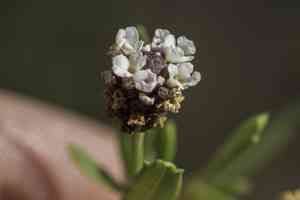
Wedgeleaf flourishes most effectively when reproduced via cuttings. To achieve the best outcomes, choose robust, non-blooming stalks and always employ a keen, sterilized implement for severing to avert any pathogen spread. It is essential to utilize a growing medium that drains efficiently and to sustain steady hydration without saturating the soil. A rooting stimulant can improve the likelihood of successful root development, although it is not strictly required.
When Is the Optimal Time to Propagate Wedgeleaf?
Propagation Type
Cutting
Propagation Season
Spring,Summer
What Equipment Is Utilized for Wedgeleaf Propagation?
Pruning Shears
Crucial for obtaining cuttings from wedgeleaf. A high-quality, sharp pair of pruning shears ensures a clean cut, minimizing harm to the parent plant and boosting the likelihood of successful rooting. Clean cuts help prevent disease entry and stress to both the cuttings and the parent plant.
Rooting Hormone
This compound accelerates root formation and increases the probability of successful propagation from wedgeleaf cuttings. Applying a rooting hormone to the cut end of the cutting before planting helps initiate quicker root growth, vital for the establishment of wedgeleaf.
Sterilization Equipment
Used for sanitizing pruning shears and other instruments before cutting wedgeleaf. Sterilization prevents the transmission of diseases between plants, which is crucial since wedgeleaf can be susceptible to infections that may impede rooting and growth.
Planting Pots
Small to medium containers are suitable for housing the new cuttings until they root. Ensuring these pots have proper drainage helps prevent water-logging, a condition that could lead to root rot and negatively affect the rooting success of wedgeleaf.
Misting Bottle
Important for maintaining humidity around the new wedgeleaf cuttings, promoting moisture retention in the air and encouraging root growth. Regular misting helps replicate a moist environment that cuttings need to establish roots.
How to Propagate Wedgeleaf?
Propagation Type
Easy
How to Nurture Your Newly Propagated Wedgeleaf?
How to Nurture Your Newly Propagated Wedgeleaf?
Once the wedgeleaf cuttings have developed roots, gradually introduce them to their permanent growing conditions. Ensure they are in well-draining soil and receive partial to full sun exposure, depending on your local climate. Maintain moderate watering, allowing the soil to dry slightly between waterings. Regularly inspect for pests and diseases, and prune as needed to encourage bushier growth and maintain the desired shape. Fertilize with a balanced, diluted feed every 4-6 weeks during the growing season.
Common Errors to Avoid When Propagating Wedgeleaf
Overwatering
Excessive watering can lead to root rot, a condition where roots suffocate from lack of oxygen, severely impacting propagation success.
Using Poor Soil
Soil lacking proper drainage or nutrients can stress the plant, hindering root development and growth.
Insufficient Light
A lack of adequate sunlight can impede photosynthesis, slowing down growth and weakening the plant.
Not Sterilizing Tools
Unsterilized tools can introduce infections or diseases, compromising the health of the cuttings.
Incorrect Use of Growth Hormones
Using too much or too little rooting hormone can either harm the plant or not sufficiently aid in root development.
Advice For Propagating Wedgeleaf
Ensure Well-Draining Soil
Utilize a soil mix that allows water to drain quickly to prevent root rot and promote healthy root growth.
Provide Adequate Light
Position the plant in a spot with ample indirect sunlight to support optimal growth and development.
Sterilize Tools
Always sanitize cutting tools before use to prevent the spread of diseases and infections.
Use Rooting Hormone Appropriately
Apply the recommended amount of rooting hormone to cuttings to enhance root development.
Maintain Consistent Moisture
Keep the soil consistently moist, but not waterlogged, to provide a conducive environment for rooting.



