How to Transplant Wedgeleaf?
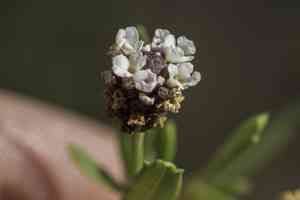
Wedgeleaf flourishes after relocation.
What Preparations are Needed Before Transplanting Wedgeleaf?
What is the Ideal Time for Transplanting Wedgeleaf?
The prime period for relocating wedgeleaf is during the initial to middle part of spring. This timing ensures the soil is warming, which aids in root establishment and development. Transplanting then allows wedgeleaf to fully utilize the entire growing season, thereby boosting its chances of flourishing and developing a robust root system before the arrival of harsher summer or winter weather.
How Much Space Should You Leave Between Wedgeleaf Plants?
To provide wedgeleaf ample room for growth, position each plant 12-18 inches (30-45 cm) apart. This spacing promotes sufficient air circulation and space for their roots to properly expand.
What is the Best Soil Mix for Wedgeleaf Transplanting?
For wedgeleaf, select soil that drains effectively. You can amend the soil by incorporating some compost or a balanced base fertilizer. This will supply the necessary nutrients for healthy development.
Where Should You Relocate Your Wedgeleaf?
Choose a sunny location for transplanting wedgeleaf. These plants thrive best in full sunlight, meaning they should receive at least 6 hours of direct sun daily.
What Equipments Should You Prepare Before Transplantation Wedgeleaf?
Gardening Gloves
To safeguard your hands while handling soil and plants.
Shovel or Spade
For excavating around the plant and preparing the new planting spot.
Watering Can or Hose
For hydrating the plant before and after its relocation.
Pruning Shears
To trim any damaged roots or foliage during the transplanting process.
Trowel
For more precise digging and moving smaller plants.
Wheelbarrow or Bucket
To transport the plant if moving it from a distant spot.
How Do You Remove Wedgeleaf from the Soil?
How Do You Remove Wedgeleaf from the Soil?
From Ground: First, hydrate the wedgeleaf plant to moisten the soil. Next, dig a wide trench around the plant using a shovel or spade, ensuring the plant's root ball stays intact. Carefully work the spade beneath the root ball to lift the plant from its original position.From Pot: Water the wedgeleaf plant thoroughly before removal. Gently tilt the pot sideways and tap its exterior to loosen the root ball. Carefully slide the plant out, supporting its base and roots.From Seedling Tray: Water the seedlings prior to transplanting. Use a trowel to carefully scoop out each seedling, making sure to get as much of the root system as possible. Handle seedlings gently by their leaves to avoid harming the delicate stems.
Step-by-Step Guide for Transplanting Wedgeleaf
Site Preparation
Prepare the new planting location by digging a hole that is twice as wide and equally deep as the wedgeleaf plant's root ball.
Soil Amending
If the soil is poor or compacted, mix in some compost to enhance its texture and nutrient content.
Plant Placement
Position the wedgeleaf plant in the prepared hole. The top of the root ball should be level with or slightly above the surrounding soil.
Filling
Backfill the hole with the original soil, gently tamping it down to remove air pockets. Be careful not to over-compact the soil.
Watering
Water the plant thoroughly after transplanting to help settle the soil and support the plant's roots.
Mulching
Apply a layer of mulch around the base of the wedgeleaf plant to help retain moisture and suppress weeds.
How Do You Care For Wedgeleaf After Transplanting?
Watering
Keep the soil around the wedgeleaf consistently moist, but not waterlogged, for the initial few weeks post-transplant to aid in establishing strong roots.
Monitoring
Observe the plant closely for the first few weeks. Look for signs of stress, such as wilting or yellowing leaves, and address any issues promptly.
Weeding
Regularly remove any weeds from around the base of the wedgeleaf plant to reduce competition for water and nutrients.
Protection
If transplanting during warmer months, consider providing temporary shade using a lightweight fabric to shield the plant from excessive sunlight while it establishes.
Troubleshooting Common Issues with Wedgeleaf Transplantation.
When is the best time to transplant wedgeleaf?
The optimal period to transplant wedgeleaf is from early spring to mid-spring.
How should I space wedgeleaf when transplanting?
Space wedgeleaf 12-18 inches (30-45 cm) apart for optimal growth.
What soil type is best for transplanting wedgeleaf?
Utilize well-draining soil, ideally a mix with compost, for transplanting wedgeleaf.
How deep should I plant wedgeleaf during transplanting?
Plant wedgeleaf at the same depth it was growing in its previous container.
How do I prepare the soil for transplanting wedgeleaf?
Loosen the soil and incorporate compost to boost nutrient content and drainage.
How much water does wedgeleaf need after transplanting?
Water thoroughly after transplanting, ensuring the soil remains moist but not saturated.
What should I do if wedgeleaf shows signs of transplant shock?
Provide shade, maintain consistent soil moisture, and avoid immediate fertilization after transplanting.
How can I minimize root damage while transplanting wedgeleaf?
Handle the root ball gently and disturb the roots as little as possible.
Is mulching necessary after transplanting wedgeleaf?
Yes, applying mulch helps retain soil moisture and regulate soil temperature.
How long does it take wedgeleaf to establish after transplanting?
Wedgeleaf typically takes a few weeks to a couple of months to fully establish.



