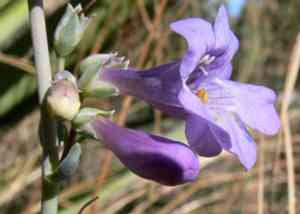
Sidebells penstemon (Penstemon secundiflorus)
Also known as: Scrophularia secundiflora, Beardtongue
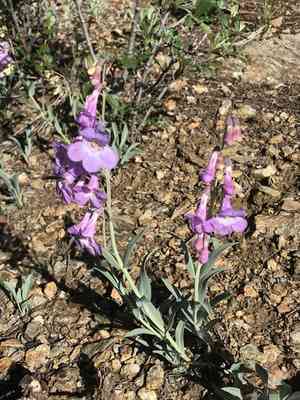
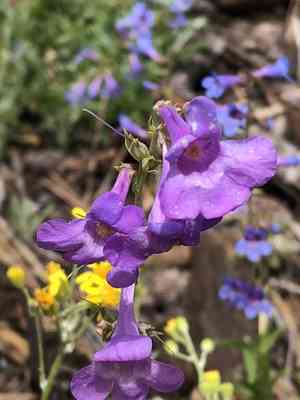
Sidebells penstemon, a resilient perennial, showcases tall spikes of tubular flowers in shades of lavender to blue that characteristically lean to one side. Indigenous to Western North America, it flourishes in rocky, well-drained soils with full sun exposure. Adapted to arid conditions with narrow leaves, this plant attracts bees and typically blooms from late spring to early summer, bringing a touch of natural beauty to drought-resistant landscapes.
In This Article
Attributes of Sidebells penstemon
Lifespan
Perennial
Plant Type
Herb
Plant Height
1 to 2 feet
Spread
1 to 1.5 feet
Leaf Color
Green to grayish-green
Flower Size
0.5 to 1 inch
Flower Color
Lavender, pale purple, pink
Images of Sidebells penstemon
Quickly Identify Sidebells penstemon
1
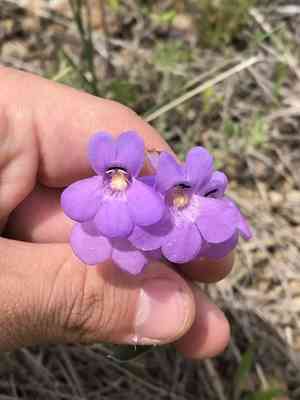
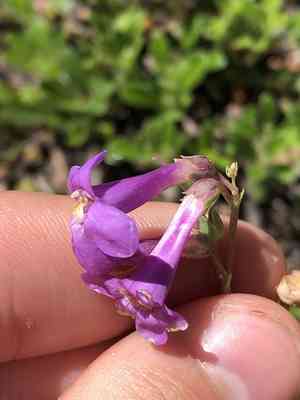
Identified by its tubular, two-lipped flowers typically ranging from lavender to pale purple. The leaves are lance-shaped and arranged oppositely on the stem.
Scientific Classification of Sidebells penstemon
Phylum
Vascular plants
Class
Dicotyledons
Order
Lamiales
Family
Plantain
Genus
Penstemon
Species
Sidebells penstemon
Planting and Growing of Sidebells penstemon
Care Difficulty
Easy
Watering Schedule
Every 3 days
Sunlight Requirements
Full sun
Sunshine Duration
4-6 hours
Ideal Temperature
60-75℉
Soil Type
Potting Mix, Peat Mix
Soil pH
6.5-7.5
Fertilizer Type
Balanced
Pruning Season
Spring, Summer
Pruning Area
Branches, Leaves
Pruning Frequency
2 times a year
Repotting Season
Spring
Pot Type
Plastic, Ceramic
 How to Water Sidebells penstemon?
When watering Penstemon secundiflorus, aim to provide approximately 250 milliliters per session. Ensure the soil feels evenly moist but not waterlogged to mimic the plant's natural habitat. It's important to allow the soil to dry out slightly between waterings to prevent root rot.
What are the symptoms of an underwatered Sidebells penstemon?
›
What should I do if my Sidebells penstemon is not getting enough water?
›
What are the symptoms of an overwatered Sidebells penstemon?
›
How to save an overwatered Sidebells penstemon?
›
 What Are the Sunlight Requirements for Sidebells penstemon?
Penstemon secundiflorus thrives in full sun and partial sun environments. Providing this plant with ample light encourages vibrant growth and abundant flowering, improving its overall health and resistance to pests.
How much light does Penstemon secundiflorus need?
›
What solutions ensure ideal lighting?
›
What are the benefits of ideal lighting?
›
 What Is the Ideal Temperature Range for Sidebells penstemon?
For optimal growth, Penstemon secundiflorus thrives best in temperatures ranging from 60°F to 75°F. This temperature range allows the plant to efficiently carry out photosynthesis while minimizing stress. Maintaining this environment helps ensure robust growth and vibrant blooms.
 What Soil is Best for Sidebells penstemon?
Penstemon secundiflorus thrives in well-drained soil, which prevents waterlogging and root rot, allowing the plant to absorb nutrients effectively. This soil condition mimics its natural habitat, providing a strong foundation for growth. This plant favors soils that are moderately rich in organic material. Adequate nutrients in the soil support robust growth and vibrant flowering, essential for attracting pollinators and ensuring the plant's reproductive success. Soil that offers good aeration, such as sandy loam, is crucial for Penstemon secundiflorus as it allows roots to breathe, promoting healthy root development and vigorous plant growth.
 How to Fertilize Sidebells penstemon?
For Penstemon secundiflorus, it is best to apply fertilizers sparingly. A general guideline is to use a half-strength liquid fertilizer twice a month during the growing season. For slow-release, consider applying at a rate that delivers 1 pound of nitrogen per 1000 square feet annually. This ensures the plant receives necessary nutrients without overwhelming it.
 How to Prune Sidebells penstemon?
Begin by scanning the plant for any obviously dead or diseased stems. Gently remove these sections back to a healthy part of the plant. Removing dead growth promotes a clean and healthy environment. Trim any leggy or overgrown stems to maintain a compact, bushy shape. Focus on keeping an open center to allow sunlight and airflow to reach all parts of the plant for optimal health. After flowering, cut back spent blooms to just above a leaf node. This technique, known as deadheading, encourages Penstemon secundiflorus to produce more blooms and extend its flowering period.
More About Pruning Techniques→
 How to Propagate Sidebells penstemon plant?
1
Fill seed trays with a sterile potting mix. Ensure that the mix is lightly moistened without being waterlogged to provide the right conditions for germination.
2
Scatter Penstemon secundiflorus seeds evenly across the surface of the soil. Cover them lightly with a thin layer of soil or vermiculite to maintain moisture and encourage sprouting.
3
Place the seed trays in a warm, sunny location with temperatures around 18-22°C (65-72°F). To maintain humidity and warmth, consider using a propagator lid or covering with plastic wrap.
 How to Repot Sidebells penstemon plant?
1
Repot this plant in early spring when you notice roots growing out of drainage holes or when the growth is stunted due to crowded roots. These signs indicate the plant is running out of space and nutrients, signalling the need for a new pot.
2
Select a pot that is one size larger than the current one, with adequate drainage holes to prevent waterlogging. A pot made of breathable material like terracotta is ideal as it helps with air circulation and prevents root rot, keeping the plant healthy.
3
Opt for a well-draining cactus mix that prevents water from accumulating around the roots. This type of soil mimics the plant's natural habitat, providing the perfect balance of moisture and aeration necessary for thriving growth.
Learn More About Sidebells penstemon Diseases
Anthracnose
Bacterial Leaf Spot
Bacterial Wilt
Crown Gall
Cyst Nematode
Damping-off
Downy Mildew
Drought Stress
Fusarium Wilt
Gray Mold
Leaf Curl
Leaf Spot
Mosaic
Nutrient Deficiency
Nutrient Toxicity
Powdery Mildew
Root Rot
Root-knot Nematode
Rusts
Sooty Mold
Spider Mites
Temperature Stress
Thrips Damage
White Mold



