How to Prune Sidebells penstemon?
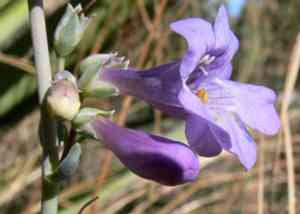
Sidebells penstemon, a herbaceous perennial with vivid tubular blossoms, flourishes with trimming to foster a denser form and enhance flowering. Perform targeted deadheading post-bloom to encourage additional flowering, and cut back in late winter or early spring to stimulate robust new development. Essential precautions involve sterilizing cutting implements to avert pathogen transmission. Pruning benefits sidebells penstemon by preserving an appealing silhouette, eliminating spent leaves, and revitalizing growth for a strong presentation.
What Are the Benefits of Pruning Sidebells Penstemon?
What Are the Benefits of Pruning Sidebells Penstemon?
Trimming sidebells penstemon promotes robust development and maintains an appealing shape. It ensures the removal of dead or damaged stalks, fostering a strong framework and optimizing plant health for enhanced blooming.
What Is the Best Time for Pruning Sidebells Penstemon?
What Is the Best Time for Pruning Sidebells Penstemon?
Late winter and early spring are considered optimal periods for trimming sidebells penstemon, as this timing coincides with the plant's dormant phase and precedes the emergence of new spring growth. Pruning during dormancy minimizes stress on sidebells penstemon and lowers the risk of disease transmission, given that pathogens are less active in colder weather. This timing also allows gardeners to clearly discern the plant's structure without foliage, simplifying strategic cuts. Trimming before spring growth enables sidebells penstemon to heal quickly from cuts and channel its energy into producing new shoots and flowers during the growing season, fostering a healthy and visually pleasing plant.
What Tools Do I Need to Prune Sidebells Penstemon?
Bypass Pruners
Perfect for making clean cuts on the green stems of sidebells penstemon, bypass pruners inflict minimal harm to plant tissue, encouraging rapid recovery.
Gardening Snips or Scissors
These are ideal for deadheading the spent blooms of sidebells penstemon and for snipping thin stems or leaves without crushing them.
Pruning Gloves
To shield your hands from scrapes and to maintain cleanliness while handling sidebells penstemon, gloves are crucial.
Pruning Saw
For thicker, woodier stems that bypass pruners cannot manage, a pruning saw can make precise cuts without harming sidebells penstemon.
How to Prune Sidebells Penstemon
Disinfect Tools
Before beginning, ensure your pruning tools are clean and sterilized to prevent the spread of disease to sidebells penstemon.
Remove Diseased Leaves
Carefully inspect sidebells penstemon for any indications of diseased foliage. Using your disinfected pruning shears, snip off these leaves at their base without harming the main stem.
Eliminate Withered Leaves
Identify any withered or dead leaves on sidebells penstemon and remove them in the same manner as diseased leaves, cutting at the base to maintain the plant's health and appearance.
Cleanup
Properly dispose of all removed leaves. Do not compost diseased material, as this could spread pathogens. Clear all fallen debris around sidebells penstemon to deter pests.
Post Pruning Care
After pruning, lightly water the base of sidebells penstemon if the soil is dry, and apply a balanced, slow-release fertilizer to aid recovery and growth if deemed necessary.
Common Pruning Mistakes with Sidebells Penstemon
Over Pruning
Removing too much foliage from sidebells penstemon can shock the plant, diminish its vigor, and hinder flowering. Aim to remove no more than one-third of the plant during any pruning session.
Improper Cut Placement
Cutting too far from the buds or leaving too long a stub can lead to disease and pest infestation. Make clean cuts close to, but not directly on, the buds to encourage healthy new growth.
Not Sanitizing Tools
Failing to clean pruning tools before use can spread disease between plants. Ensure all tools are sanitized before making cuts on sidebells penstemon.
Pruning During Active Growth
Trimming sidebells penstemon during active growth periods can disrupt their natural growth and flowering cycles. Focus pruning efforts at times that do not coincide with new growth phases as per guidelines (excluding season-specific timing).
Neglecting Dead Or Diseased Stems
Leaving dead, diseased, or damaged stems can impair sidebells penstemon's overall health and appearance. It's crucial to regularly remove these stems to maintain plant vitality.
Common Pruning Tips for Sidebells Penstemon
Encouraging Bushiness
Prune just above a set of leaves or side shoots to encourage sidebells penstemon to develop a fuller, bushier shape. This method stimulates the growth of multiple stems from the pruning point.
Promoting Flowers
Sidebells penstemon blooms on new wood, so pruning old growth can help encourage the development of flowers. Focus on removing old flower spikes to stimulate the growth of fresh flowering stems.
Tool Selection
Use sharp, clean bypass pruners that make precise cuts without crushing sidebells penstemon's stems, as clean cuts heal faster and are less prone to disease.
Gradual Pruning
For novices, practice gradual pruning over several seasons to observe how sidebells penstemon responds. This approach allows gardeners to learn the plant's growth patterns without causing drastic damage.
Maintaining Plant Shape
While pruning for health is important, also consider the natural form of sidebells penstemon. Aim to maintain an attractive shape that complements the plant's habit without over-structuring it.



