How to Transplant Sidebells penstemon?
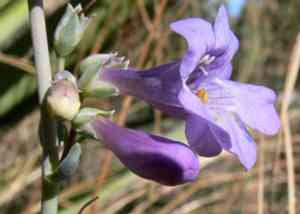
The most favorable period for relocating sidebells penstemon is from the onset of late spring's warmth through the initial stages of early summer, allowing for a smooth adjustment. Select locations that offer good drainage and receive partial sunlight, and during the transplanting process, be sure to safeguard the root system.
What Preparations are Needed Before Transplanting Sidebells Penstemon?
What is the Ideal Time for Transplanting Sidebells Penstemon?
The perfect time for moving sidebells penstemon is when spring's warmth has permeated the ground, prior to summer's full intensityâtypically from mid-spring to early summer. Choosing this period allows sidebells penstemon's roots ample chance to settle in cooler, moist earth, setting the stage for vigorous development. This strategic timing avoids winter's harsh cold and summer's extreme heat, giving sidebells penstemon a gentle start in its new location. Planting sidebells penstemon during this moderate window supports a smooth transition, promoting root expansion before the demands of peak summer.
How Much Space Should You Leave Between Sidebells Penstemon Plants?
When preparing to introduce sidebells penstemon to your garden, ensure they have adequate room to thrive! Aim for a comfortable spacing of approximately 12-18 inches (30-46 cm) apart. This guarantees each sidebells penstemon has sufficient area to spread and develop robustly.
What is the Best Soil Mix for Sidebells Penstemon Transplanting?
For sidebells penstemon, a suitable environment begins with the correct soil. A well-draining mixture rich in organic material will keep sidebells penstemon content. Before planting, enrich the soil with a balanced, slow-release fertilizer to provide sidebells penstemon with a nutritional boost!
Where Should You Relocate Your Sidebells Penstemon?
These sidebells penstemon enjoy abundant sunshine! Select a bright location where they will receive at least 6 hours of sunlight daily. The warmth will encourage healthy growth and vibrant blooms. Partial shade is also acceptable, but full sun is where sidebells penstemon truly flourishes.
What Equipments Should You Prepare Before Transplantation Sidebells Penstemon?
Gardening Gloves
To safeguard your hands while handling soil and plants.
Shovel or Spade
For excavating the plant and preparing the new planting site.
Hand Trowel
Useful for precise digging and planting, especially if sidebells penstemon originates from a pot or seedling tray.
Watering Can or Hose
To hydrate sidebells penstemon before and after relocation, ensuring proper moisture levels.
Pruning Shears
To trim any damaged roots or foliage prior to transplanting.
Wheelbarrow or Garden Cart
To move sidebells penstemon and soil without causing stress to the plant.
How Do You Remove Sidebells Penstemon from the Soil?
How Do You Remove Sidebells Penstemon from the Soil?
From Ground: First, irrigate the sidebells penstemon plant to moisten the soil. Next, dig a wide trench around the plant using a shovel or spade, being careful not to harm the root ball. Gently work the spade beneath the root ball to lift the plant from its original spot.From Pot: Water the sidebells penstemon to ensure the soil is damp, which will facilitate the removal process. Invert the pot sideways and gently tap the bottom and sides until you can carefully slide the plant out.From Seedling Tray: Dampen the soil in the seedling tray to make it easier to extract the sidebells penstemon without damaging the roots. Use a hand trowel or your fingers to loosen the soil around the seedling, then carefully lift it by the leaves, not the stem, to prevent injury.
Step-by-Step Guide for Transplanting Sidebells Penstemon
Preparation
Clear the chosen area of weeds and debris. Loosen the soil in the planting zone to help the roots of sidebells penstemon spread easily. If moving multiple plants, space them according to their mature size to prevent overcrowding as they develop.
Creating the Hole
Using a shovel or hand trowel, excavate a hole that is twice as wide and equally as deep as the root ball of the sidebells penstemon. This provides ample space for the roots to expand.
Checking Root Health
Before placing sidebells penstemon in the hole, examine the root ball. Trim any broken or damaged roots with pruning shears, taking care to leave healthy roots undisturbed.
Placement
Position sidebells penstemon in the center of the hole, ensuring it is at the same depth as it was in its previous location. The plant's base should be level with the surrounding ground surface.
Filling In
Gently backfill the hole with soil around the root ball of sidebells penstemon, lightly tamping down as you proceed to eliminate air pockets. Avoid compacting the soil too much, as this can hinder water from reaching the roots.
Watering In
Once sidebells penstemon is planted, water thoroughly to settle the soil around the roots. This will also help reduce transplant shock and aid in the plant's recovery.
Support
If sidebells penstemon is a taller variety or situated in a windy area, stake the plant for additional support to prevent it from leaning or being uprooted.
Mulching
Apply a layer of mulch around the base of sidebells penstemon to help retain soil moisture, regulate soil temperature, and minimize weed competition.
How Do You Care For Sidebells Penstemon After Transplanting?
Regular Watering
Maintain consistent moisture levels around sidebells penstemon for the initial weeks, ensuring the soil is damp but not waterlogged to encourage root development.
Observation
Monitor sidebells penstemon for signs of stress, such as wilting or discolored leaves. Address any issues promptly to prevent further distress.
Pruning
Remove any dead or dying foliage to help sidebells penstemon direct its energy towards establishing new roots and growth.
Protection
Safeguard sidebells penstemon against pests and diseases by regular monitoring and taking appropriate actions if necessary. Avoid chemical use unless no other option exists.
Avoid Fertilization
Refrain from fertilizing sidebells penstemon immediately after transplanting as it can induce additional stress. Wait until the plant is established and exhibiting new growth.
Moderation
Do not overdo any maintenance tasks, whether it's watering, pruning, or applying mulch. Sidebells penstemon needs time to adapt to its new environment without being overwhelmed by excessive care.
Troubleshooting Common Issues with Sidebells Penstemon Transplantation.
What's the best time to transplant sidebells penstemon for optimal growth?
Relocate sidebells penstemon when the weather warms, ideally from mid-spring to early summer, for best establishment.
How far apart should I space sidebells penstemon when transplanting?
Allow each sidebells penstemon ample room to flourish by spacing them 12-18 inches (30-45 cm) apart.
What kind of soil conditions does sidebells penstemon prefer when transplanting?
Ensure success by providing sidebells penstemon with well-draining soil rich in organic matter.
How deep should the planting hole be for sidebells penstemon?
Dig a hole twice the width of the root ball and just as deep to welcome sidebells penstemon home.
What's the sign of overwatering sidebells penstemon after transplanting?
Look for wilted or yellowed leaves on sidebells penstemon, a clear indicator of overly saturated soil.
Should I fertilize sidebells penstemon immediately after transplanting?
Let sidebells penstemon acclimate first. Fertilize after new growth appears, using a balanced fertilizer.
How do I know if sidebells penstemon has transplant shock?
Drooping leaves or stunted growth in sidebells penstemon could signal transplant shock; provide it time and attention.
Can sidebells penstemon tolerate full sun after being transplanted?
Sidebells penstemon thrives in sunlight but introduce it gradually to prevent stress after transplanting.
How often should I water sidebells penstemon after transplanting?
Keep the soil consistently moist but not waterlogged to help sidebells penstemon establish strong roots.
Is it necessary to prune sidebells penstemon after transplanting?
No need to rush pruning sidebells penstemon post-transplant; let it focus energy on rooting and recovery first.



